


Civil War Air Raid Shelter Museum
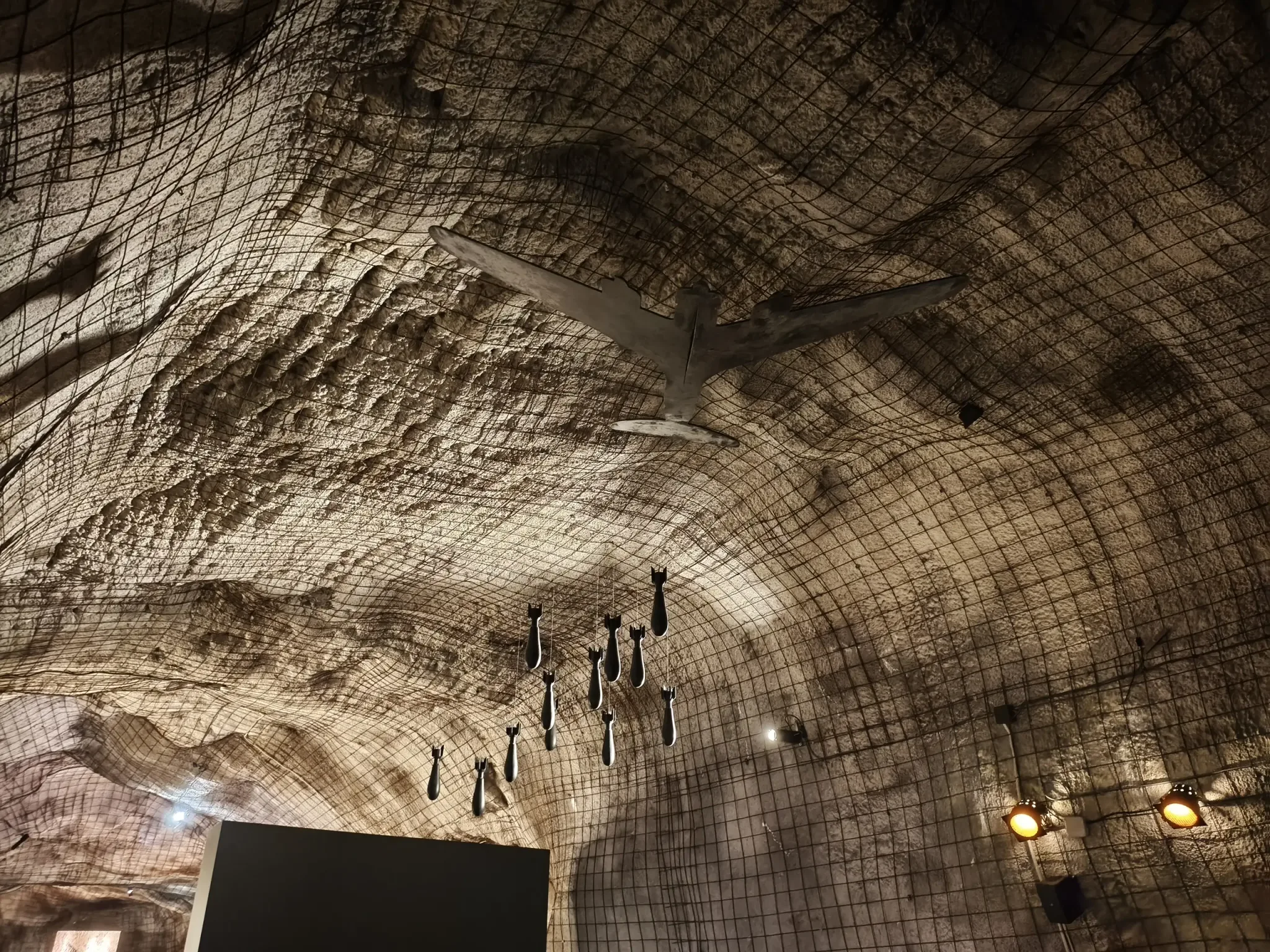
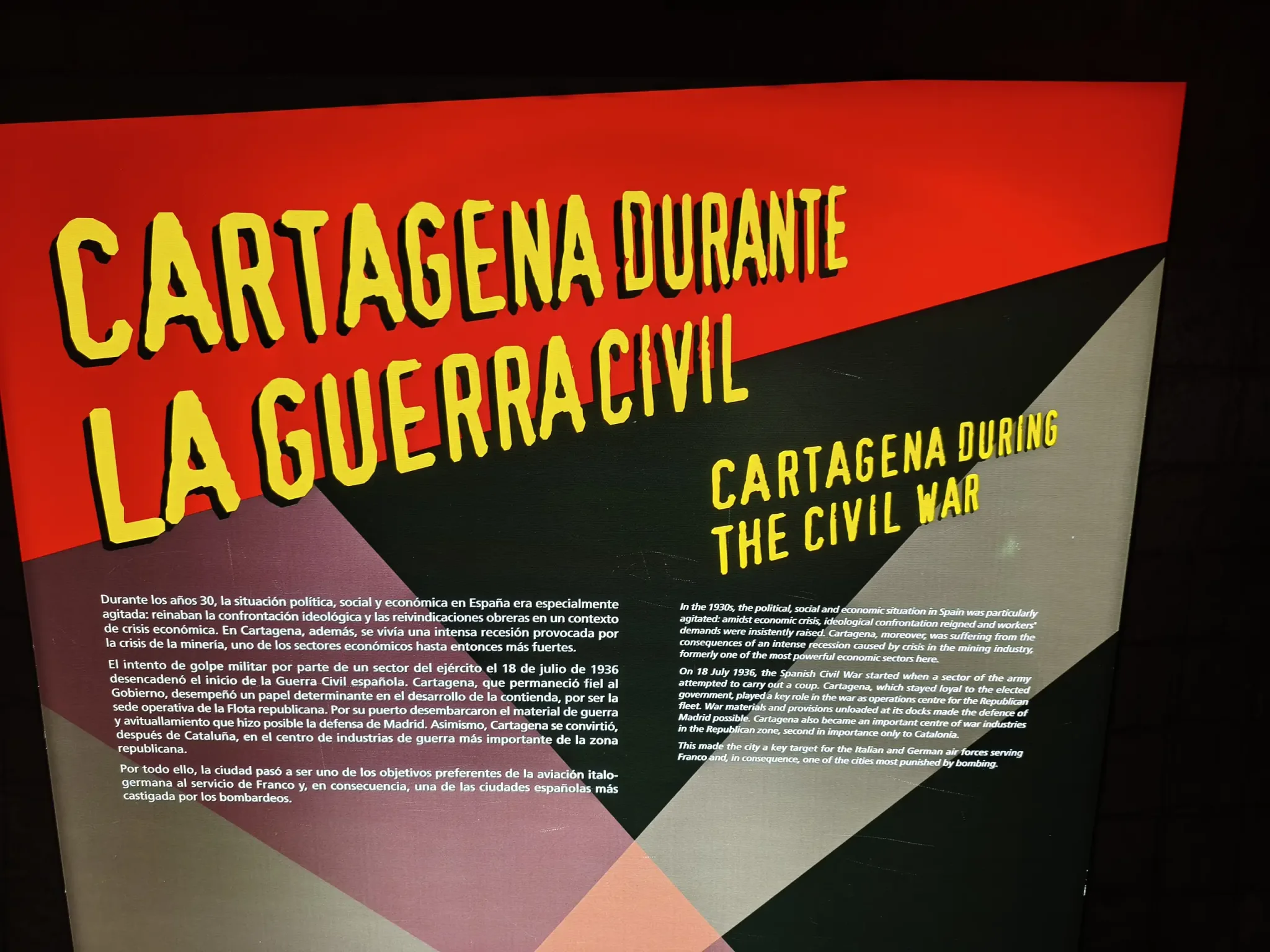
The Civil War Air Raid Shelter Museum occupies part of the extensive galleries excavated beneath Concepción Hill from 1937. Cartagena remained on the Republican side for almost the whole Spanish Civil War, and its naval and industrial importance made it a repeated target for aerial bombing. The shelters in Calle Gisbert were among the city’s largest, although construction was never fully completed.
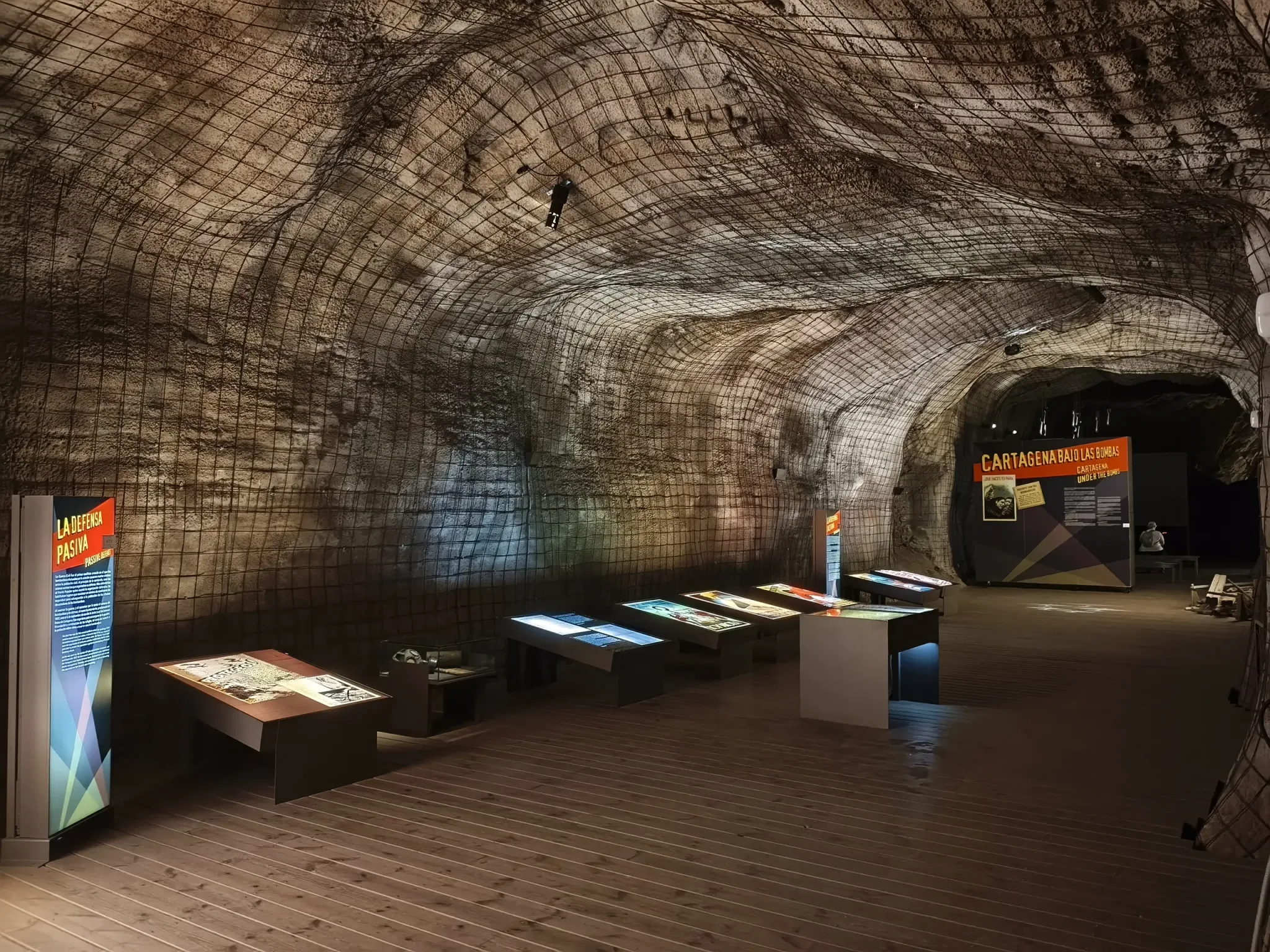
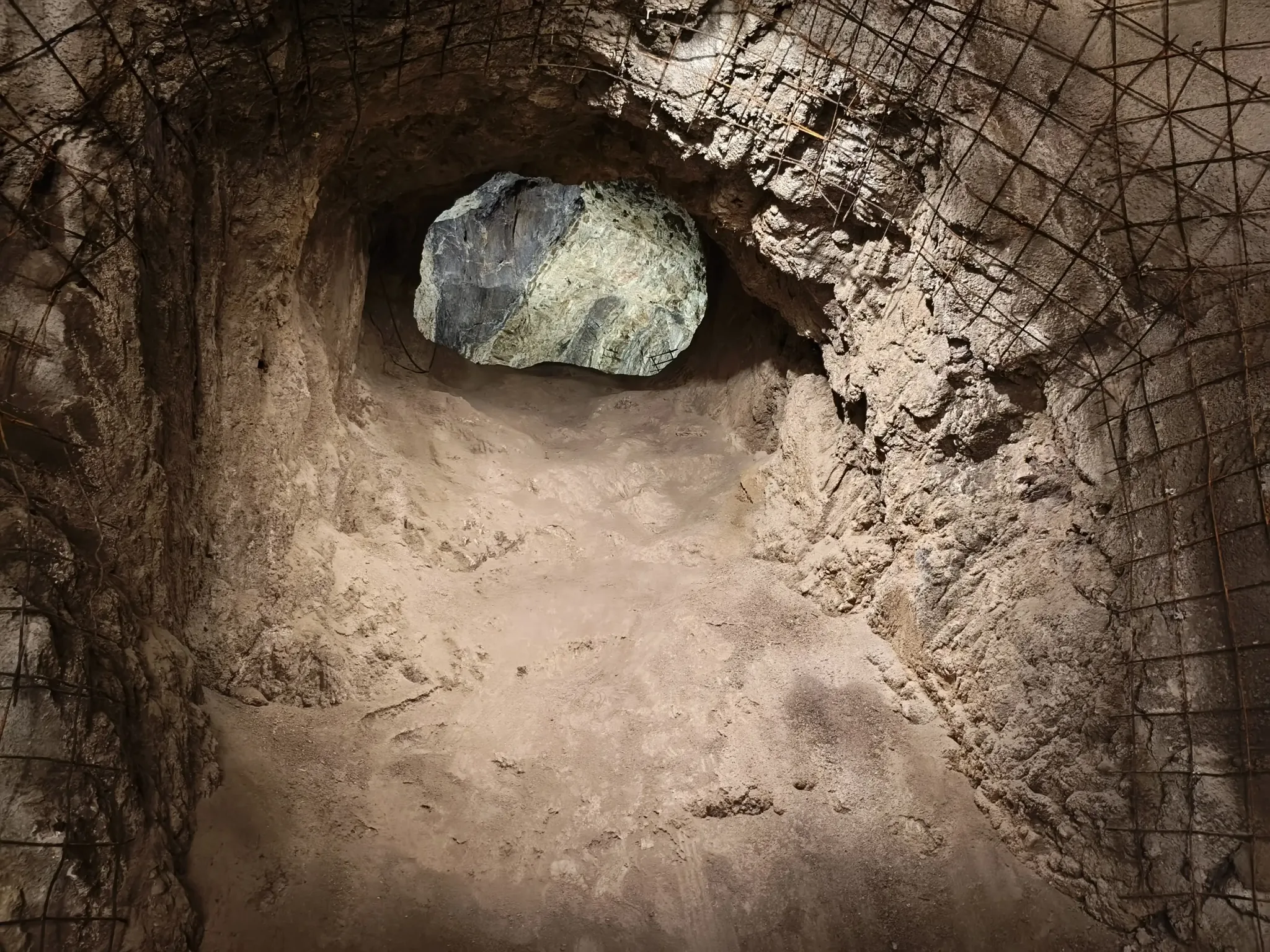
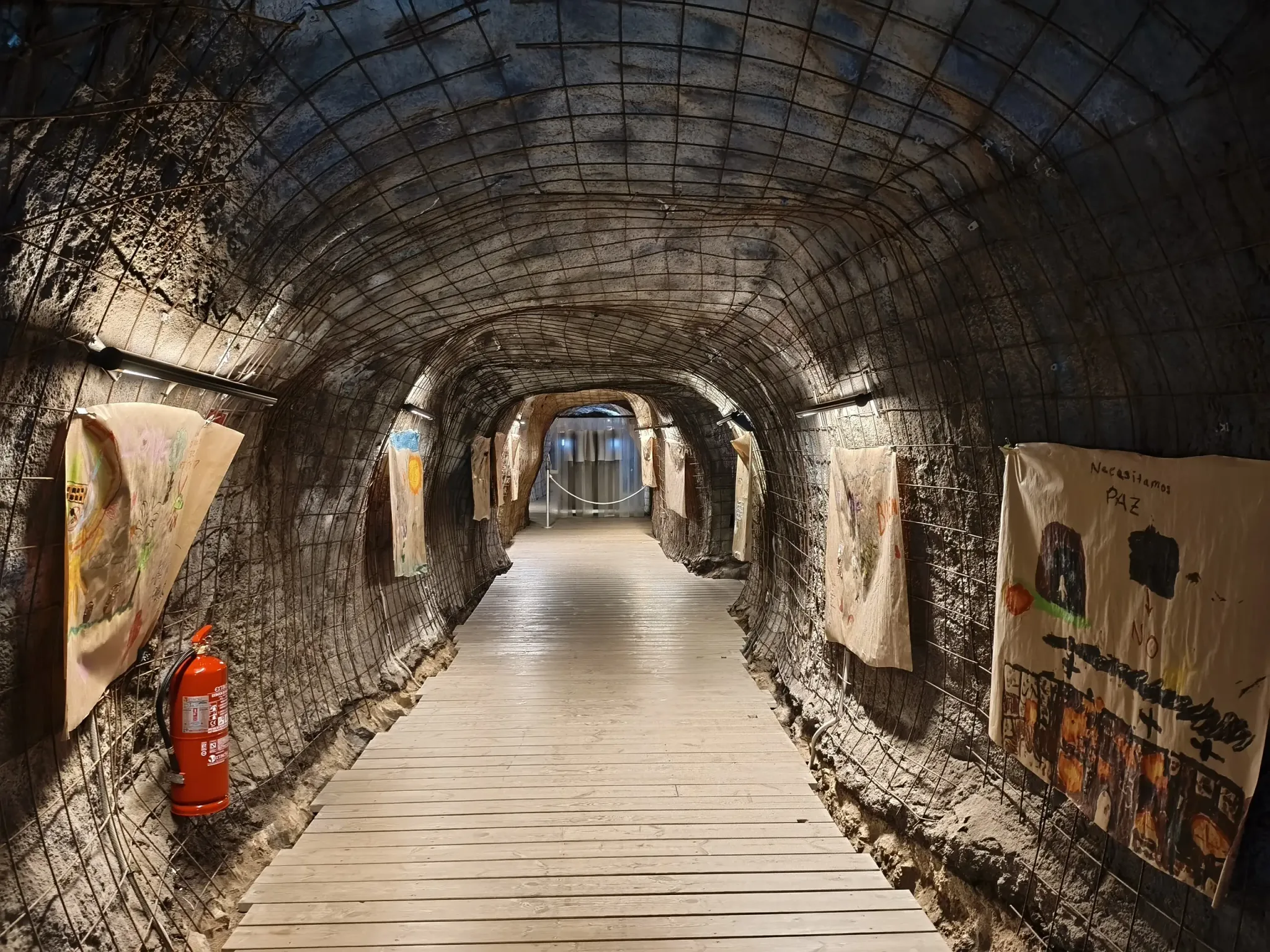
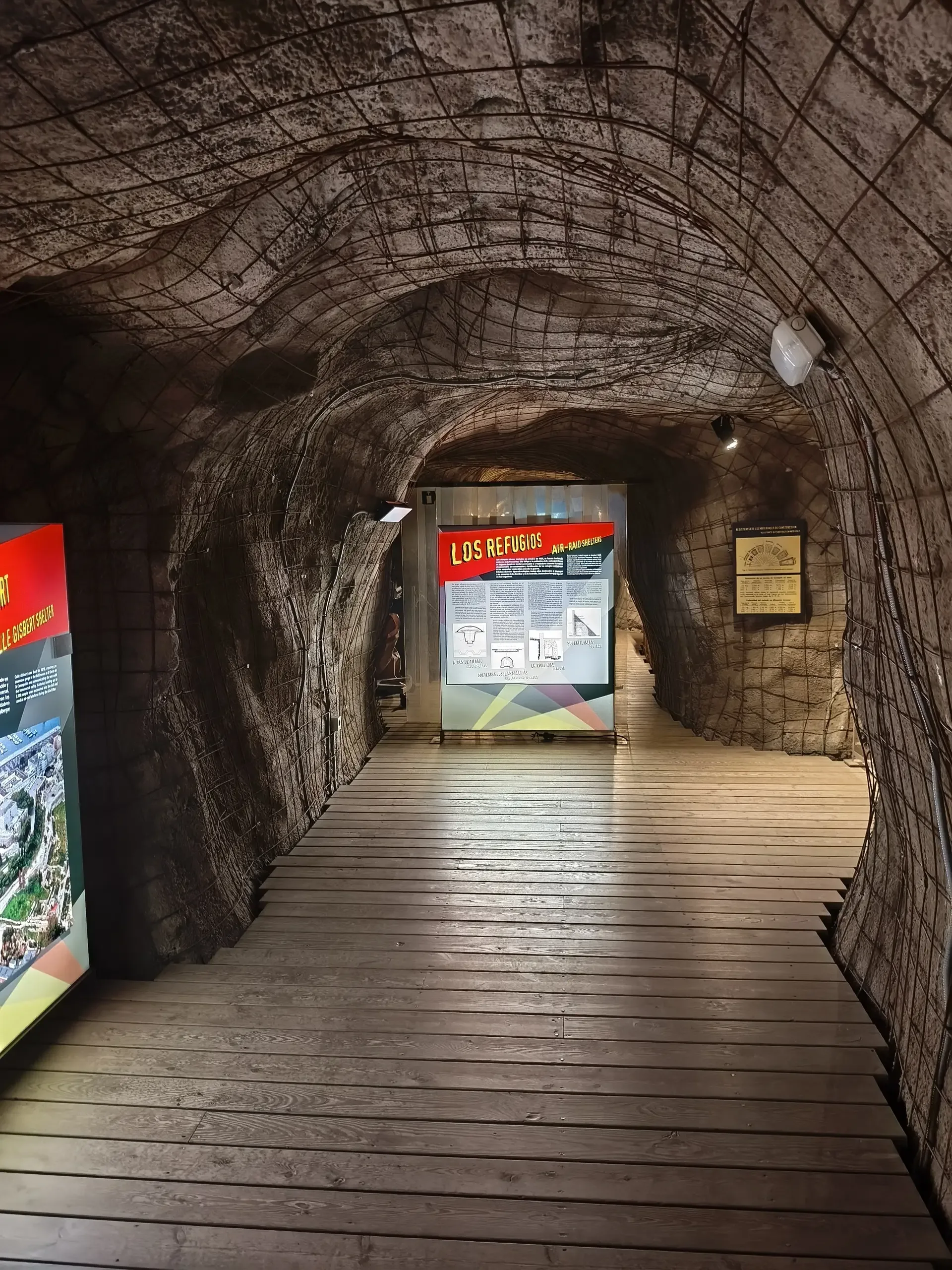
The wider shelter complex was designed to hold thousands of people, with numerous entrances intended to let residents reach safety quickly from the surrounding streets. The museum opens only part of that network, but the scale of the rock-cut passages still makes clear how seriously the city prepared for further attacks. The surviving galleries include spaces associated with first aid as well as the long communal tunnels where civilians waited.
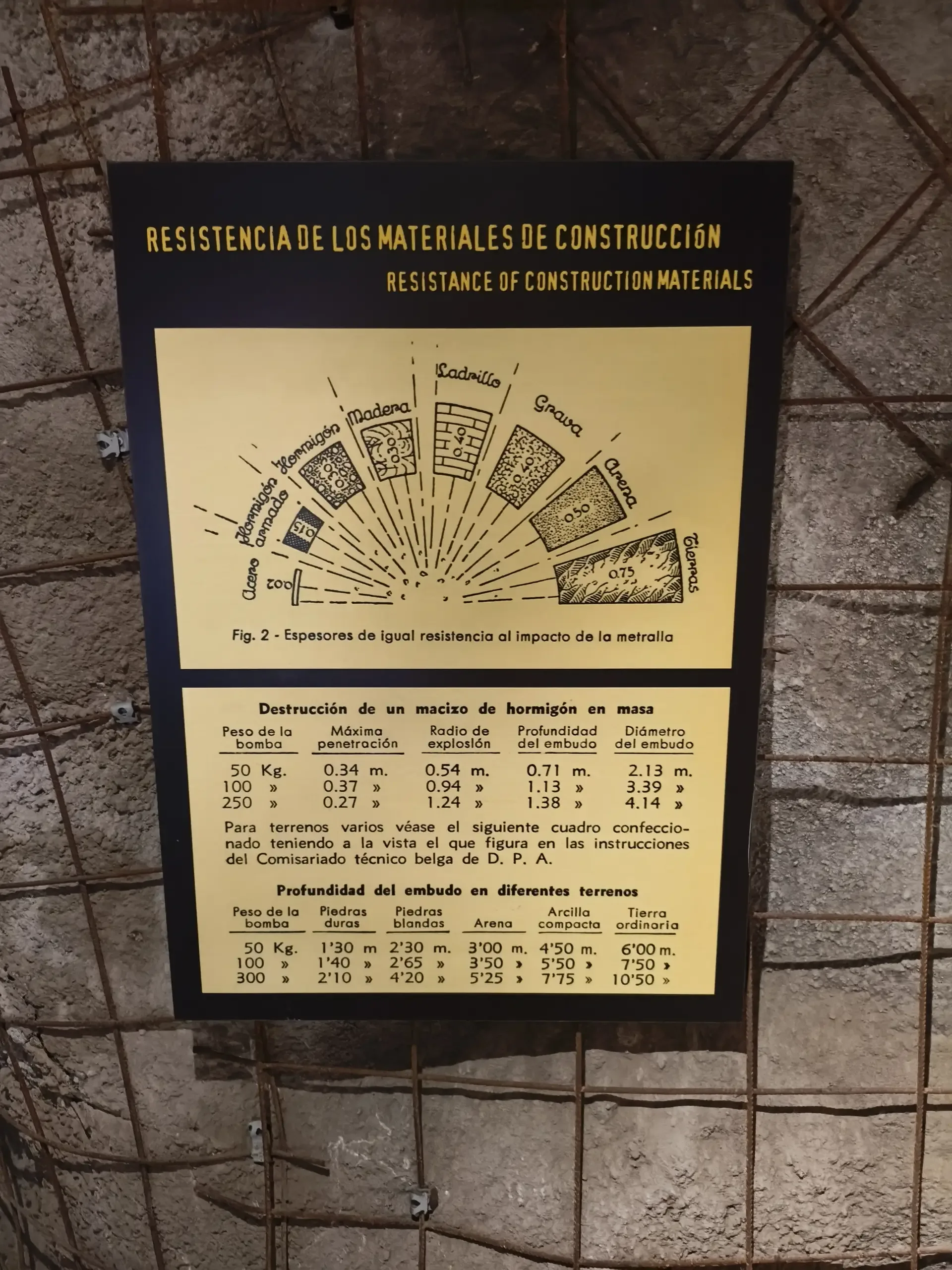
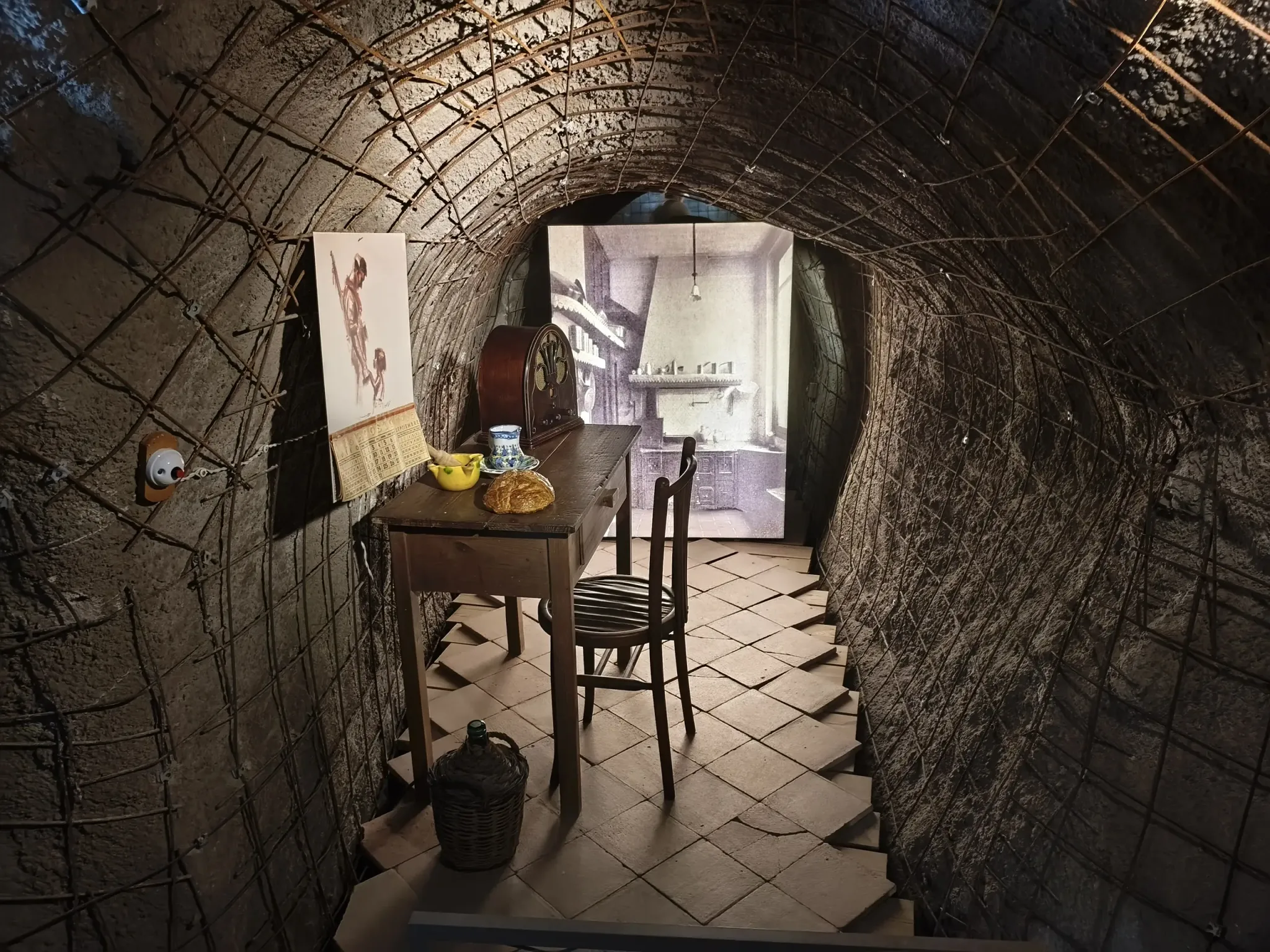
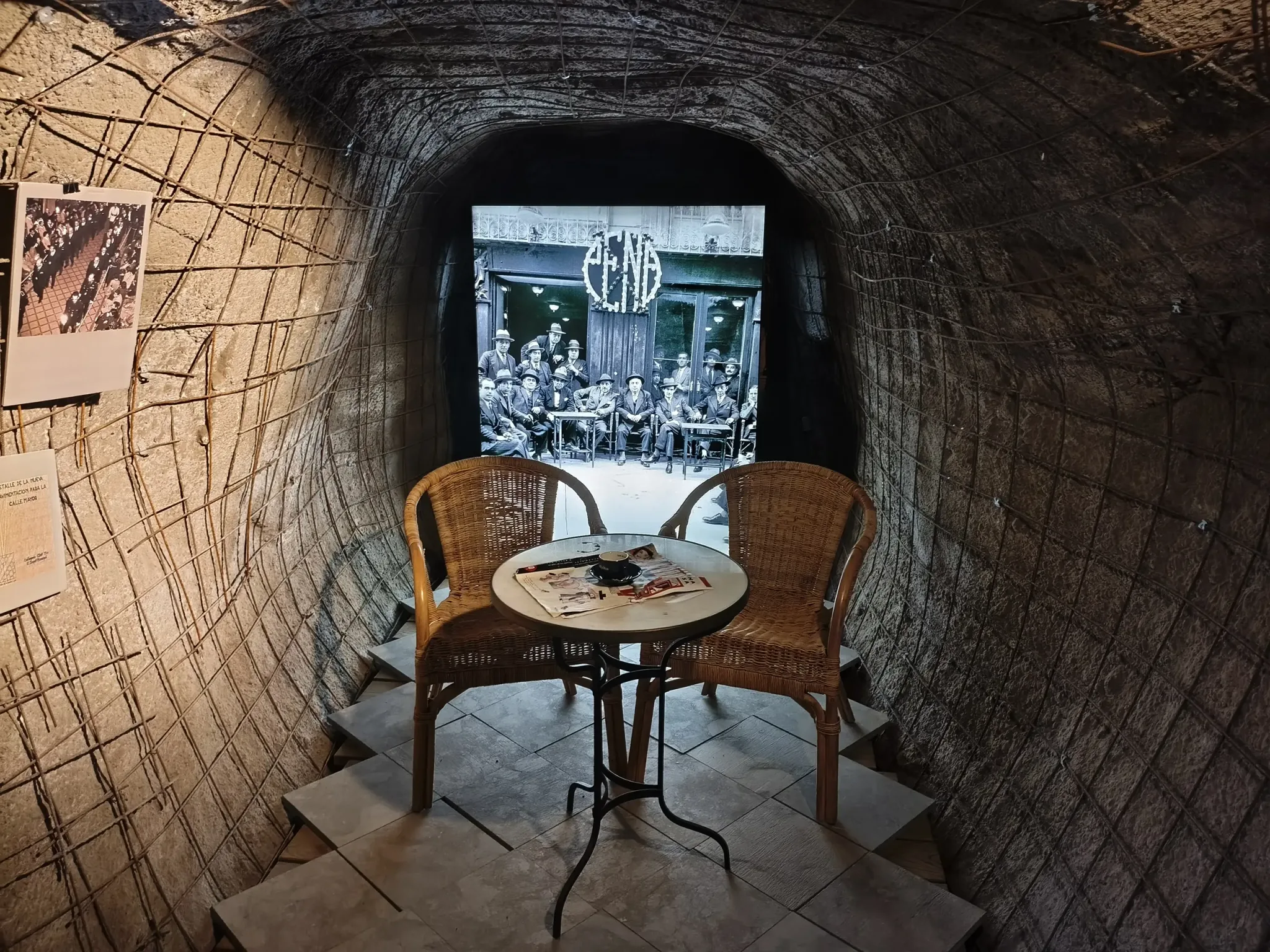
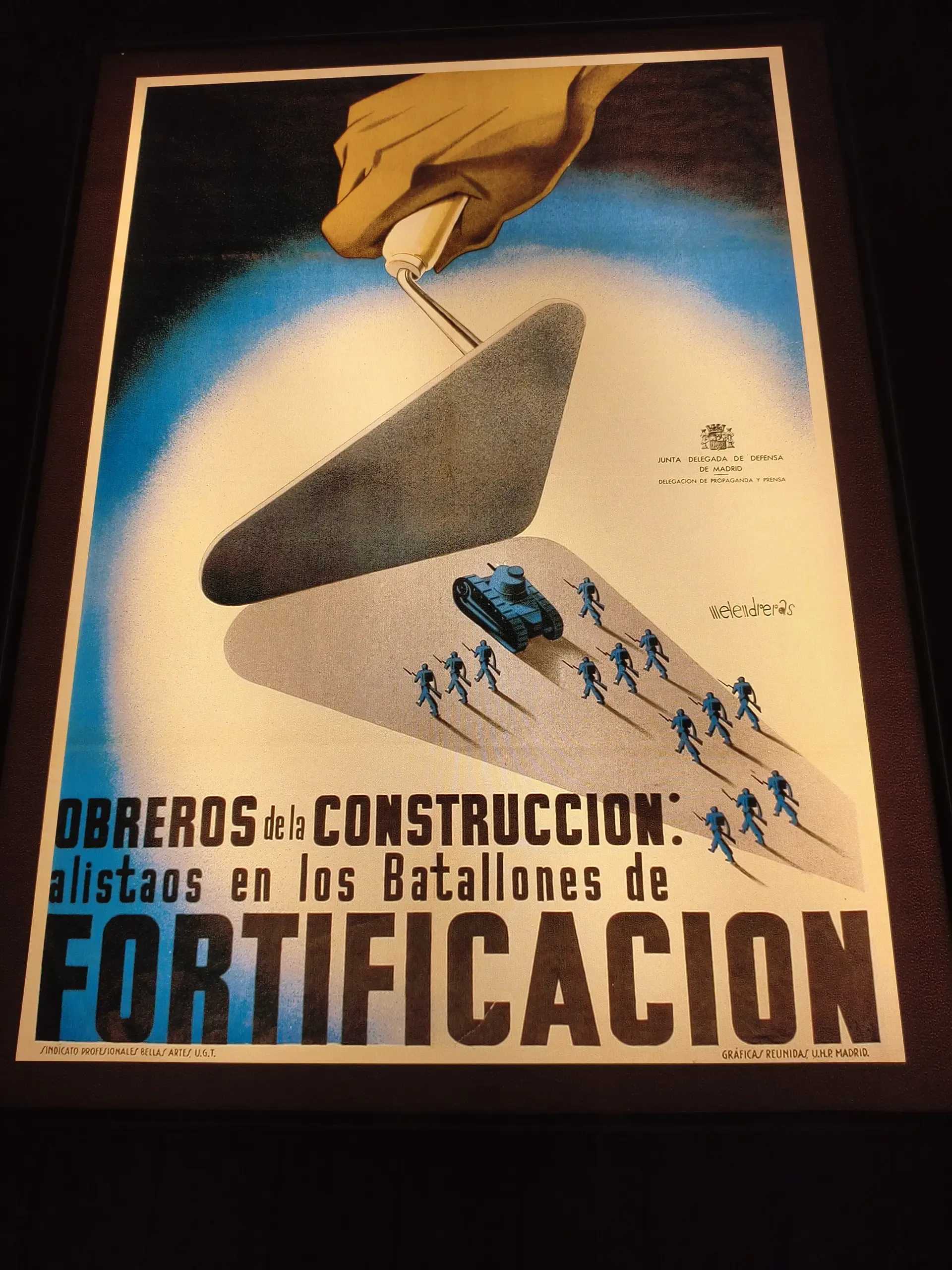
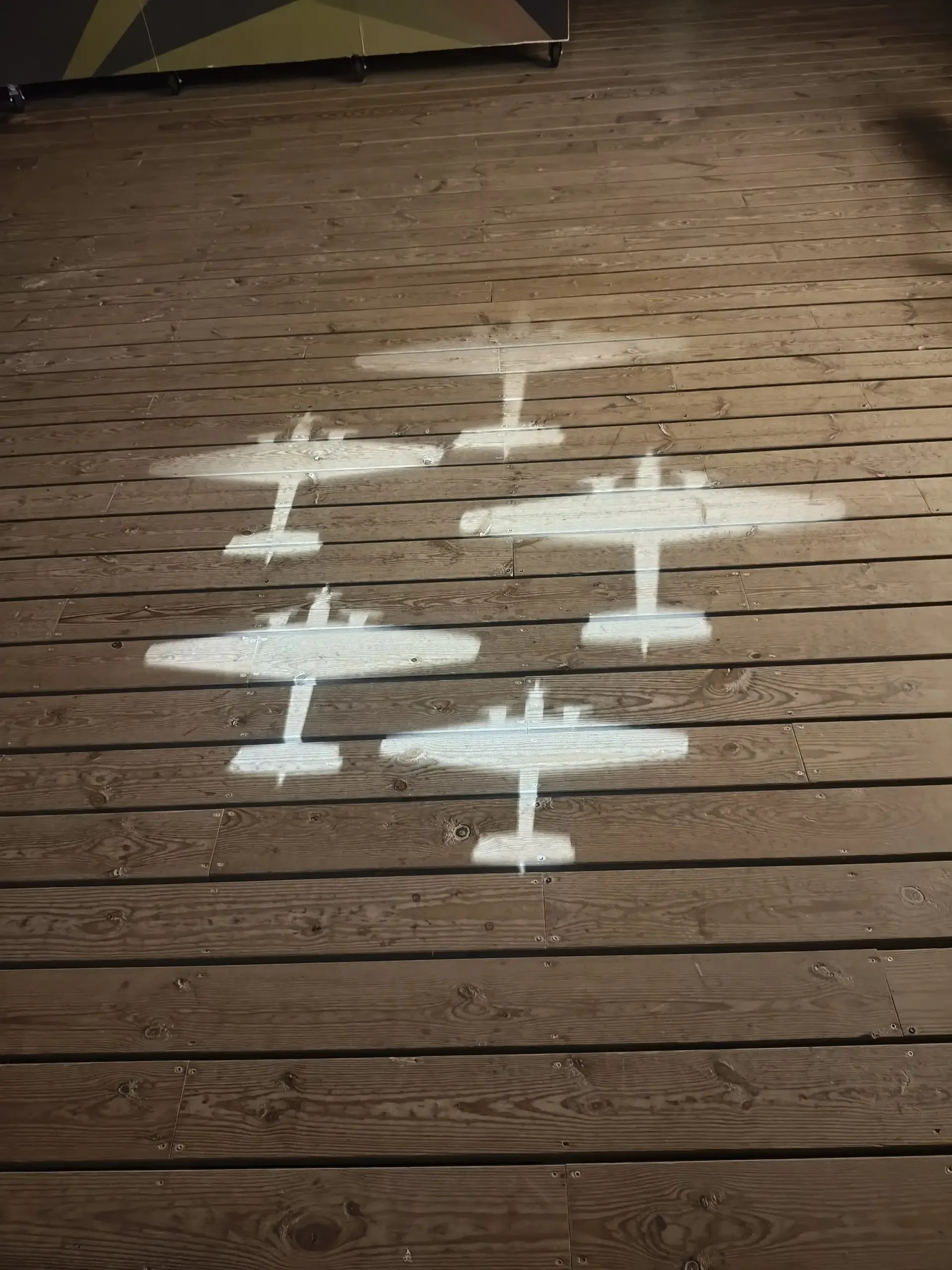
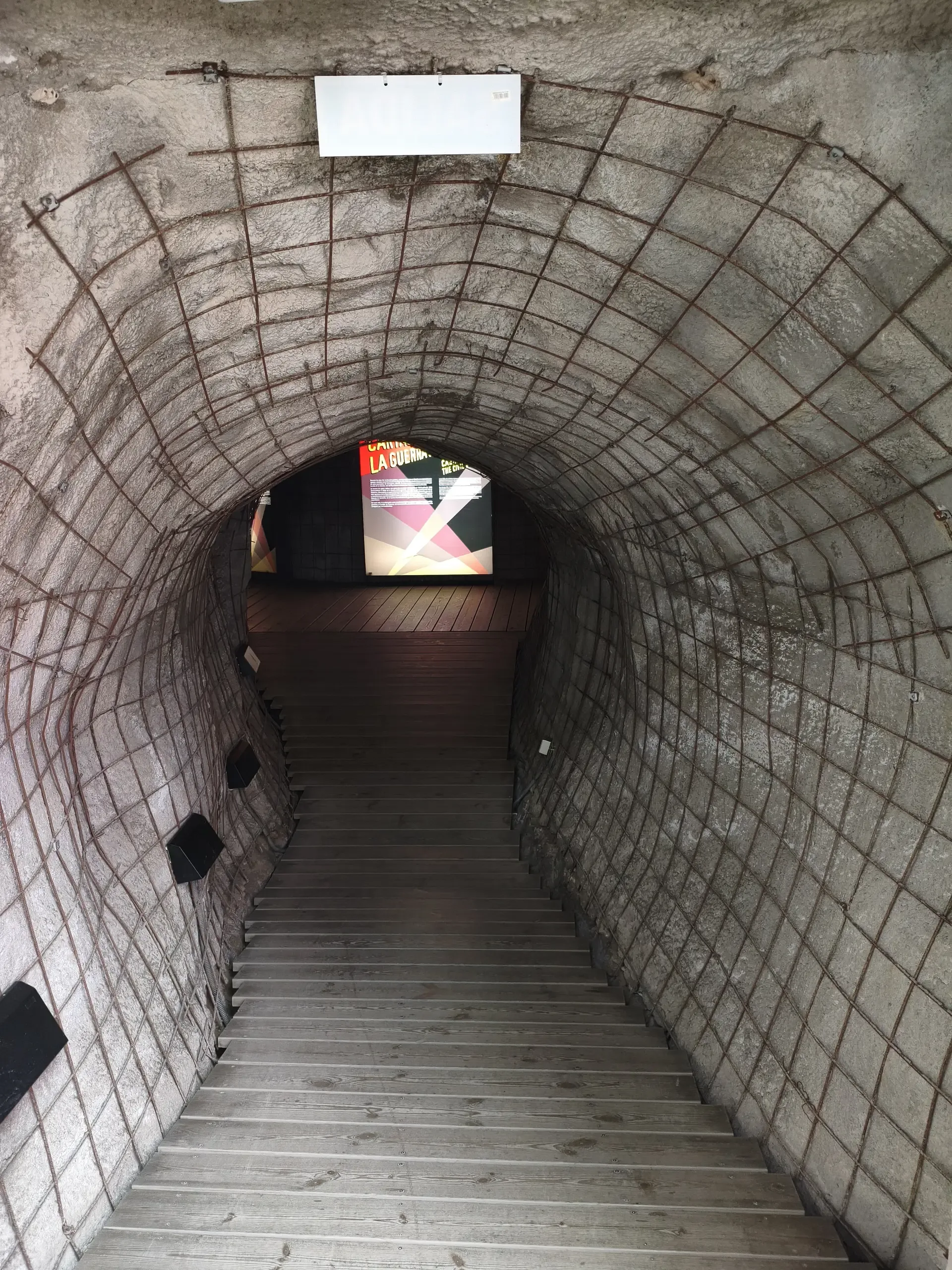
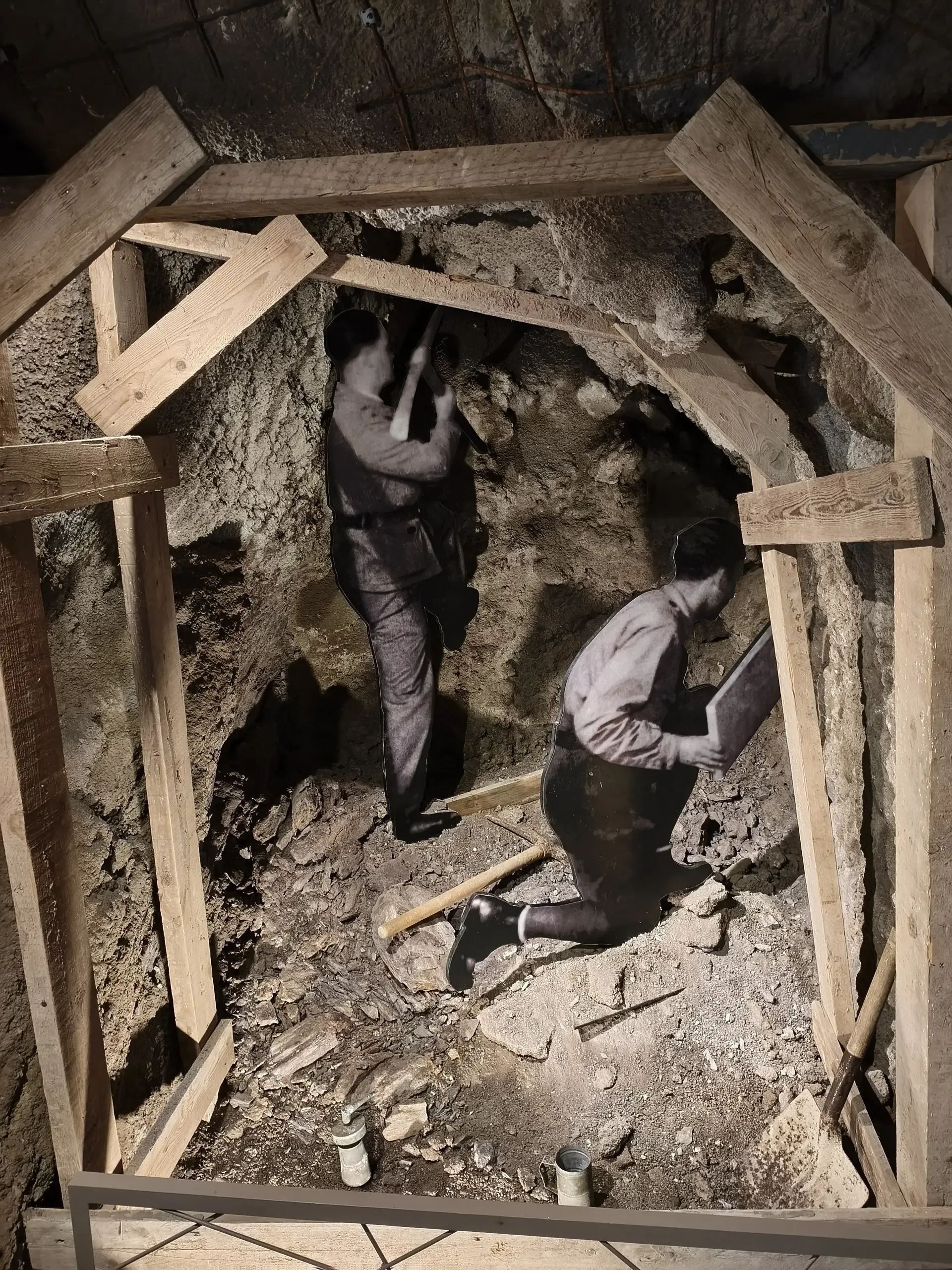
The visitor route uses original tunnels to explain how the shelters were built, how civilians responded to air raids and how the conflict changed schooling, food supplies and daily routines. Period photographs, objects, personal testimony and an audiovisual presentation give the history a human scale. The unfinished areas also make the physical work of creating shelter inside the hill unusually clear.
Because the entrance shares the Calle Gisbert complex with the Panoramic Lift, the museum fits naturally into a visit to Parque Torres and Concepción Castle. Allow time to read the panels: the route is more meaningful when the tunnels, photographs and personal accounts are taken together rather than treated as a quick underground walk.
Our experience: Some online reviews felt much harsher than the visit we had. There are enough tunnels open to understand what sheltering here may have felt like, and the information panels give the route useful context. We found both the admission and the small gift shop reasonably priced. Buying a modest souvenir is also a simple way to help keep places like this open and maintained.