Local area
Cabo de Palos
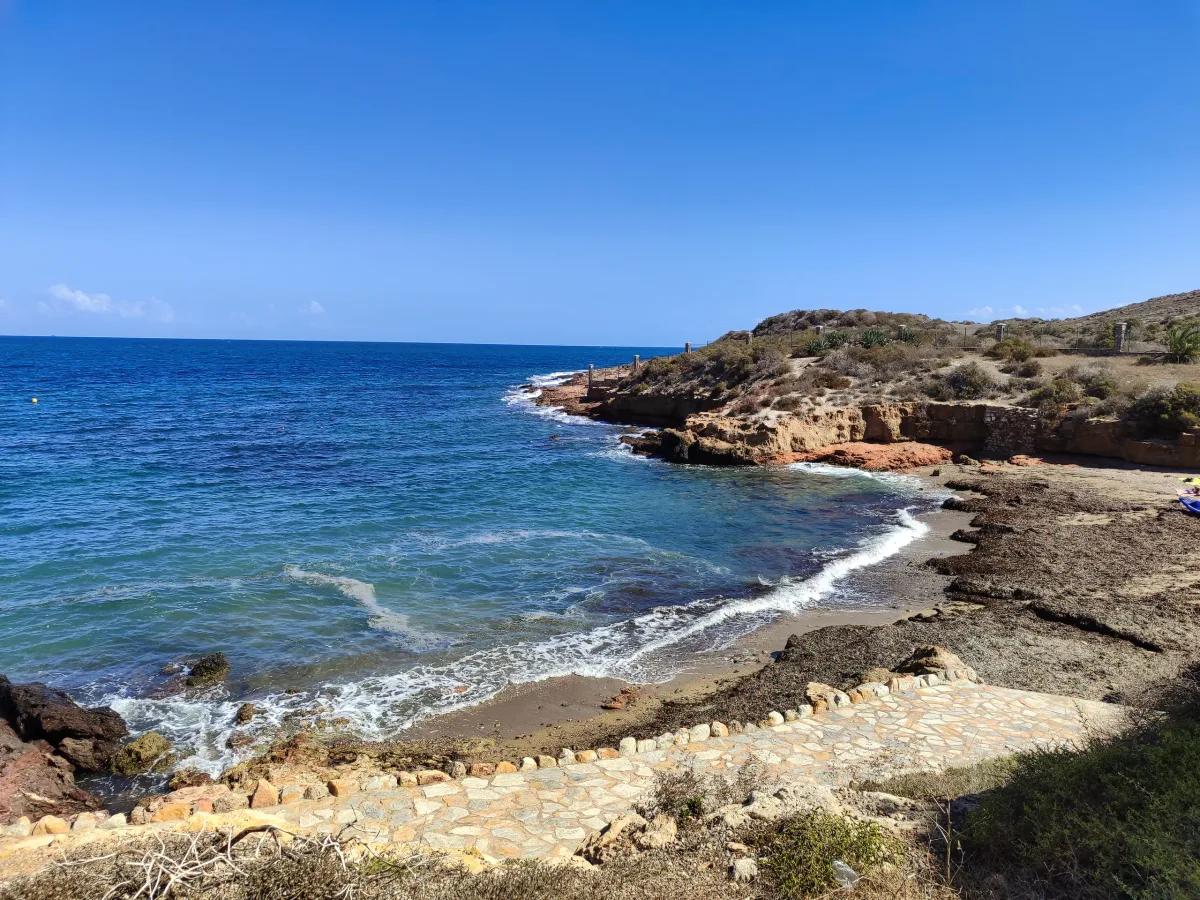
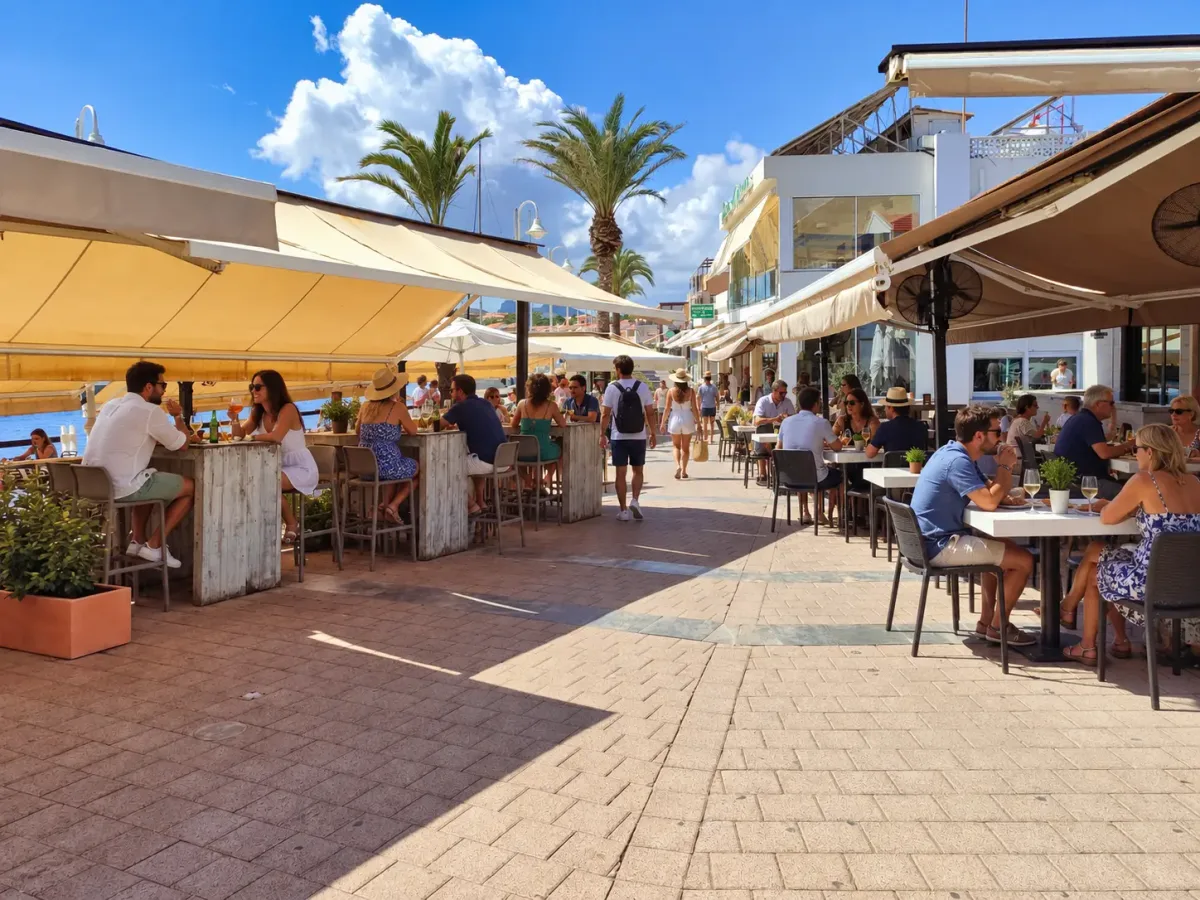
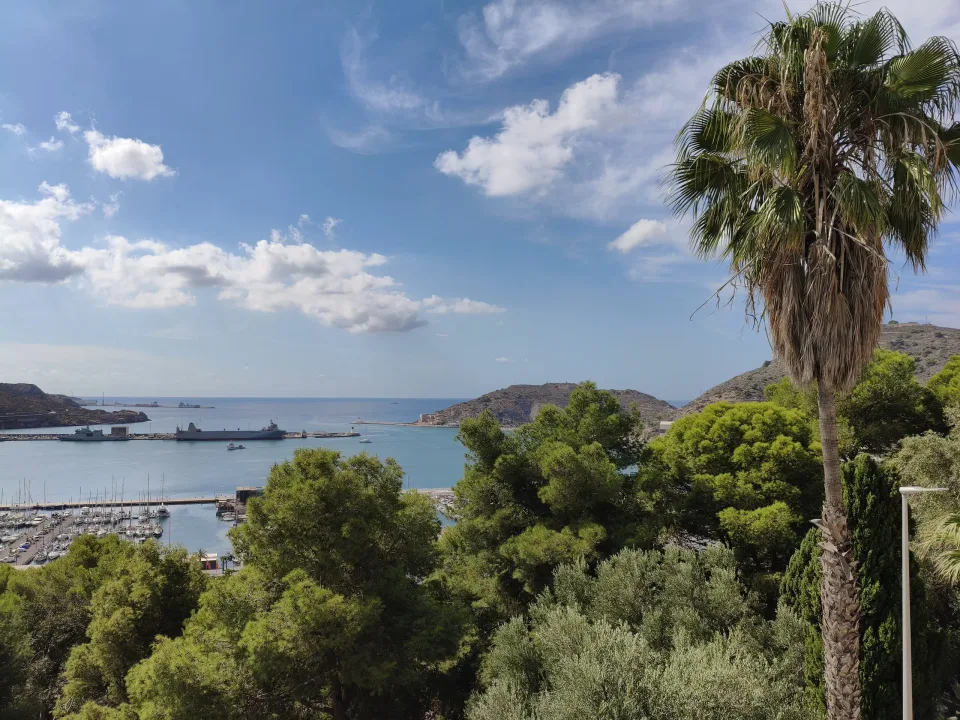
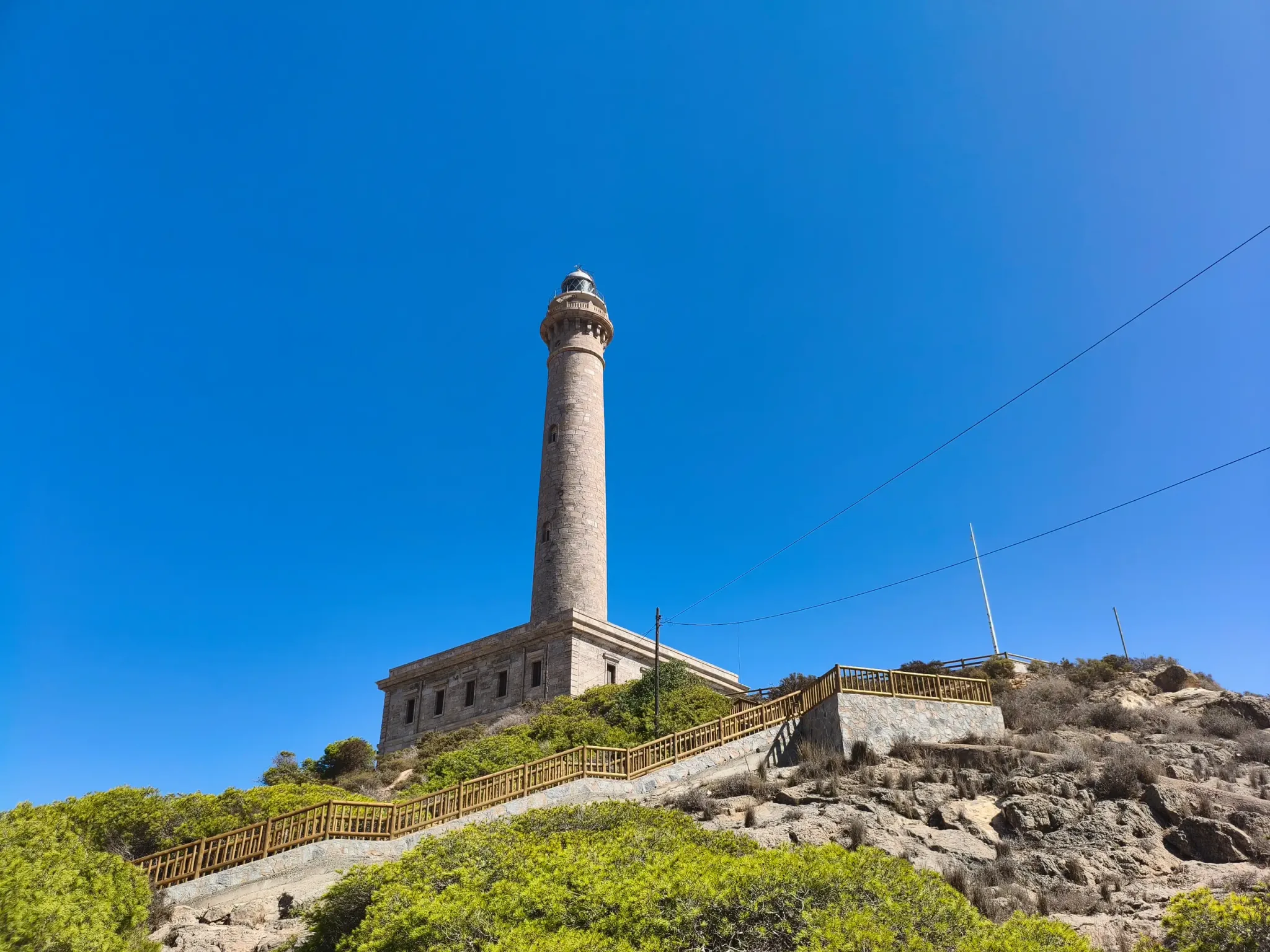
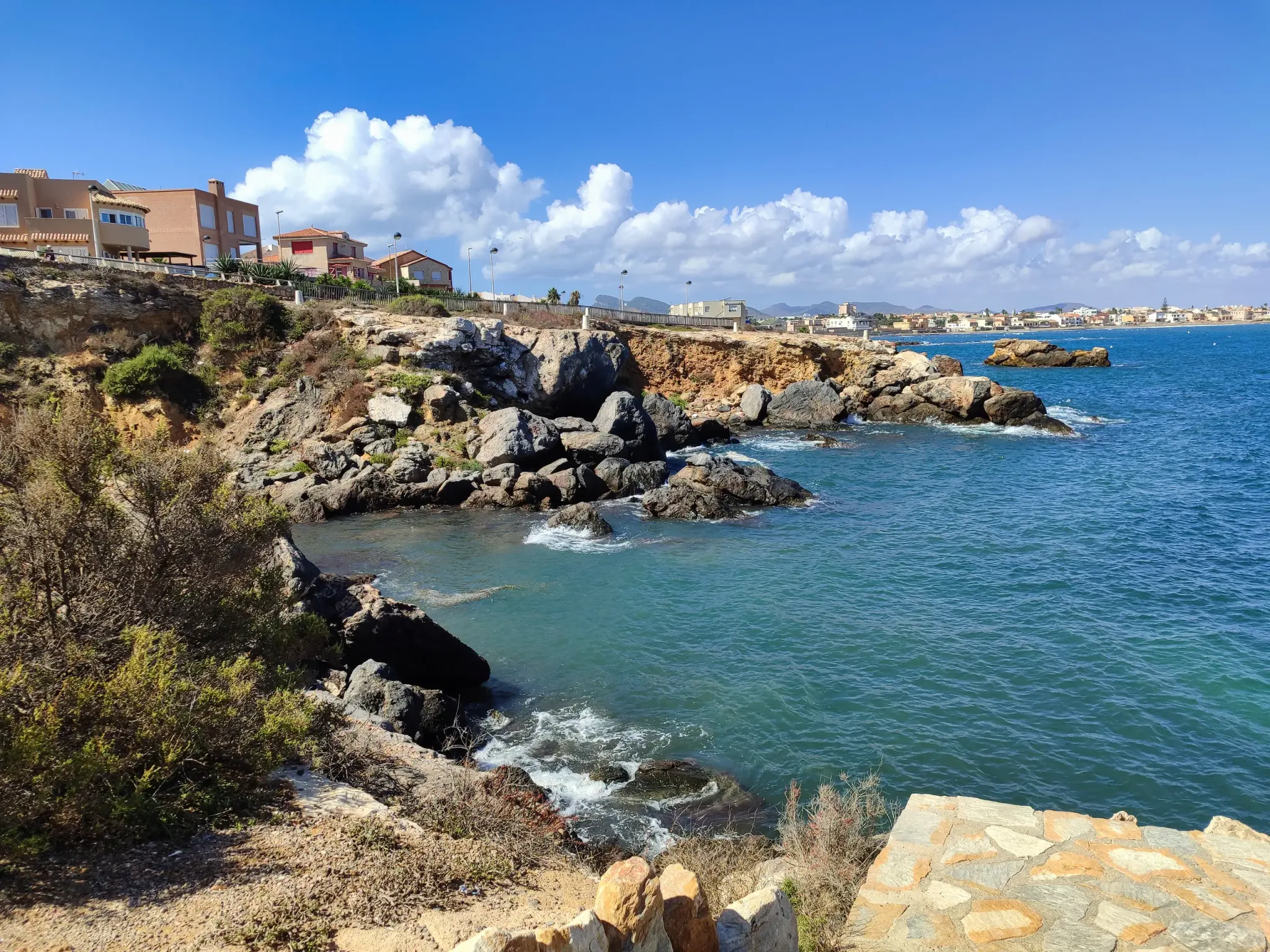
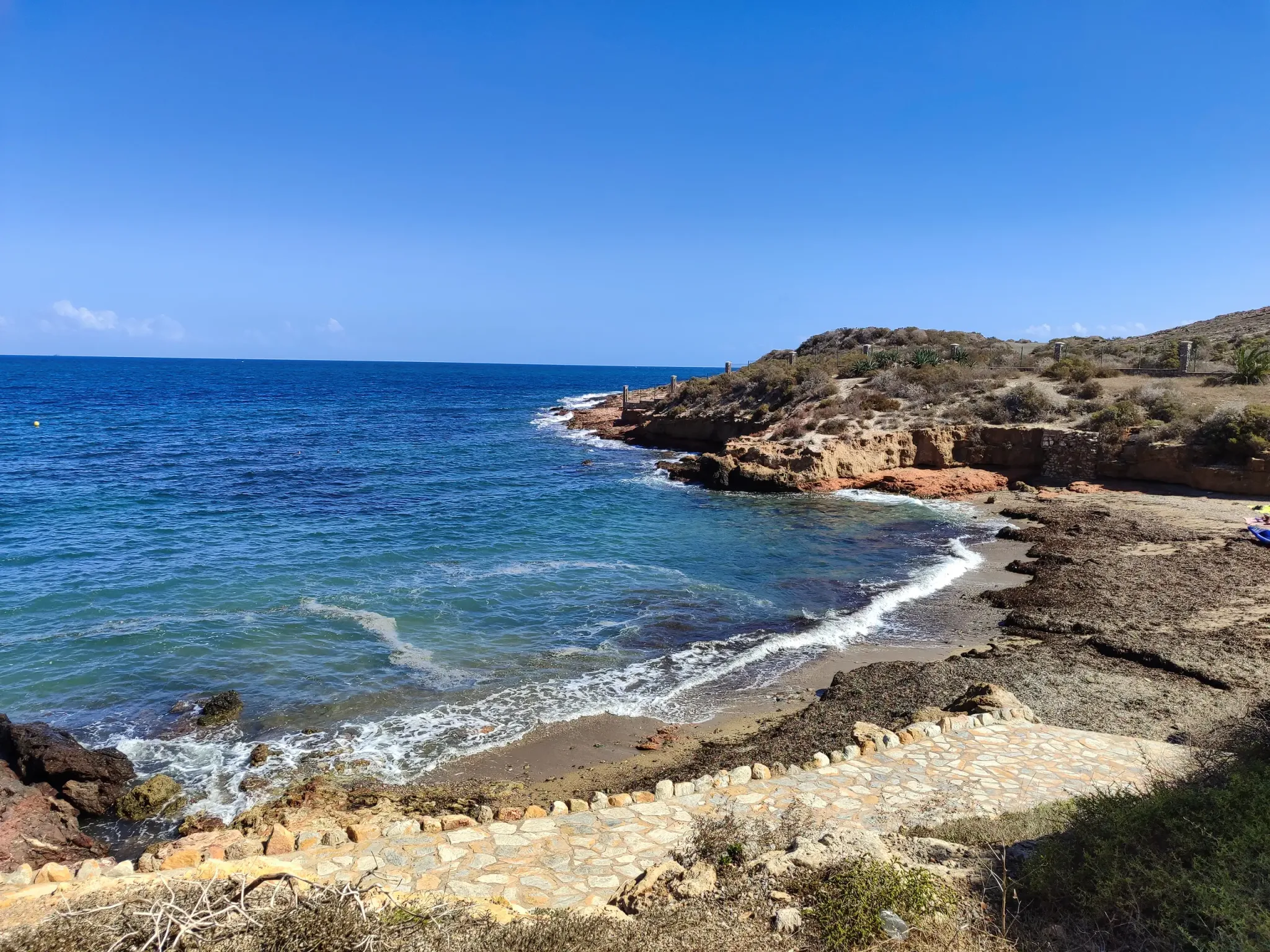
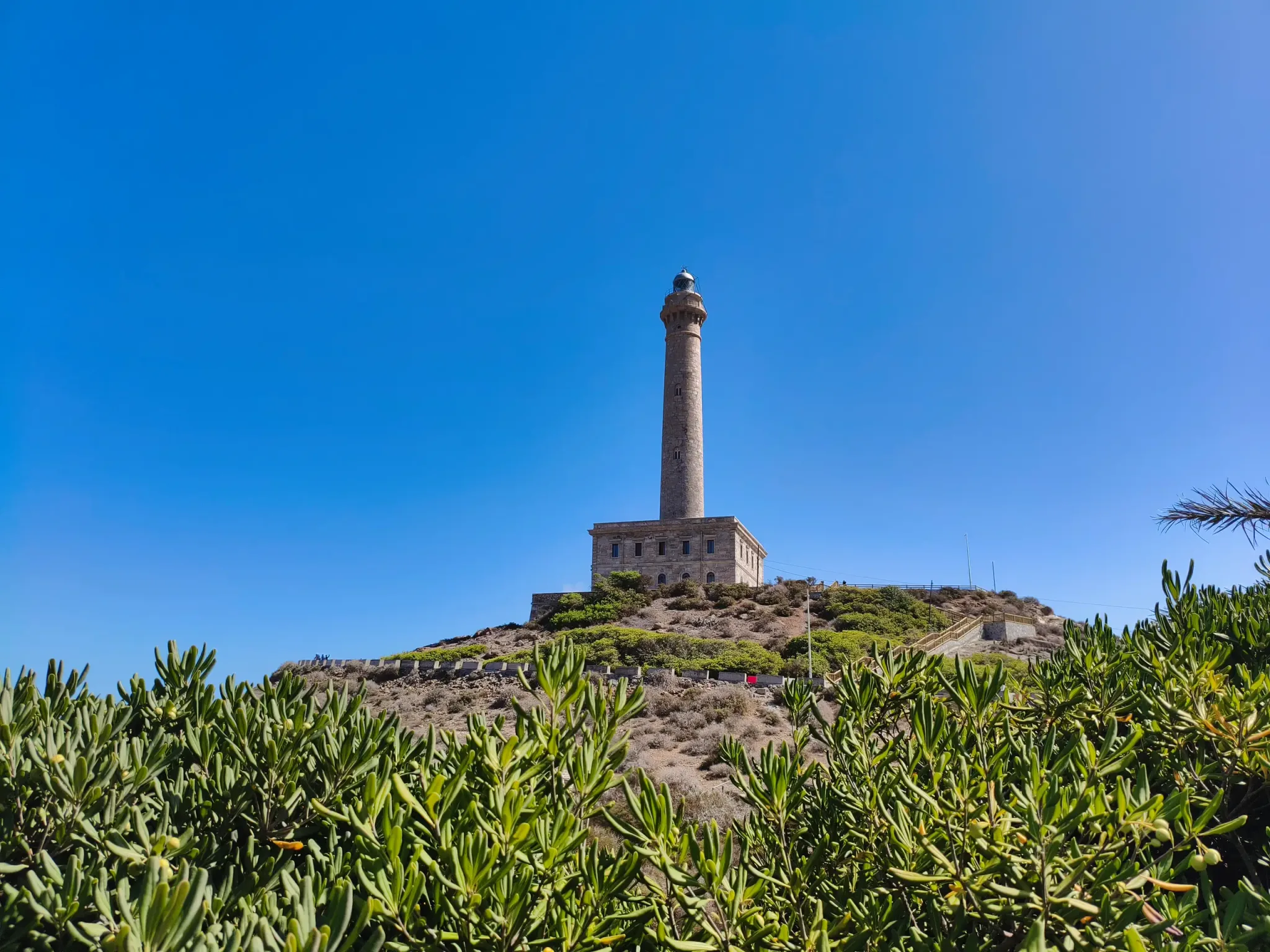
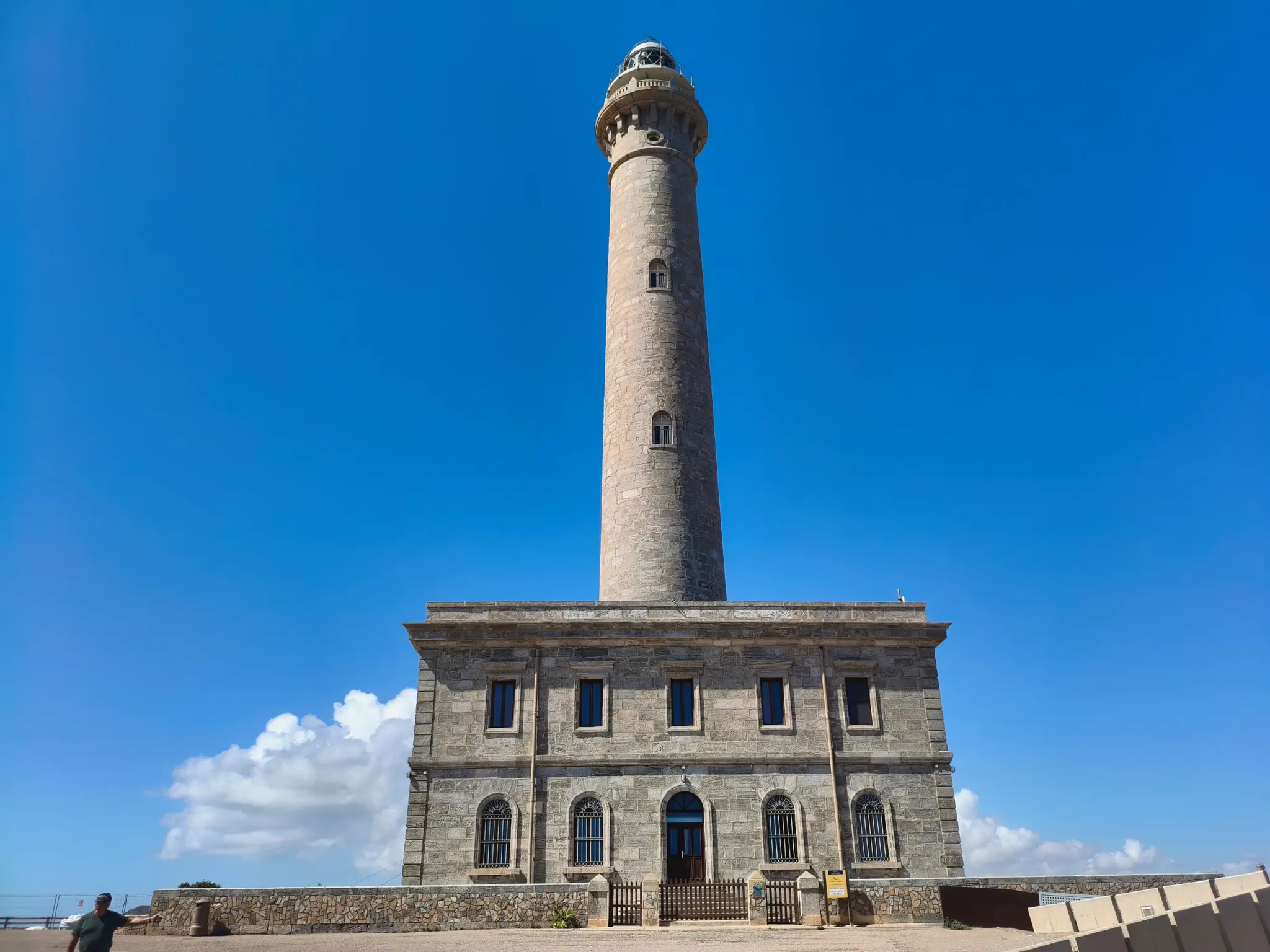
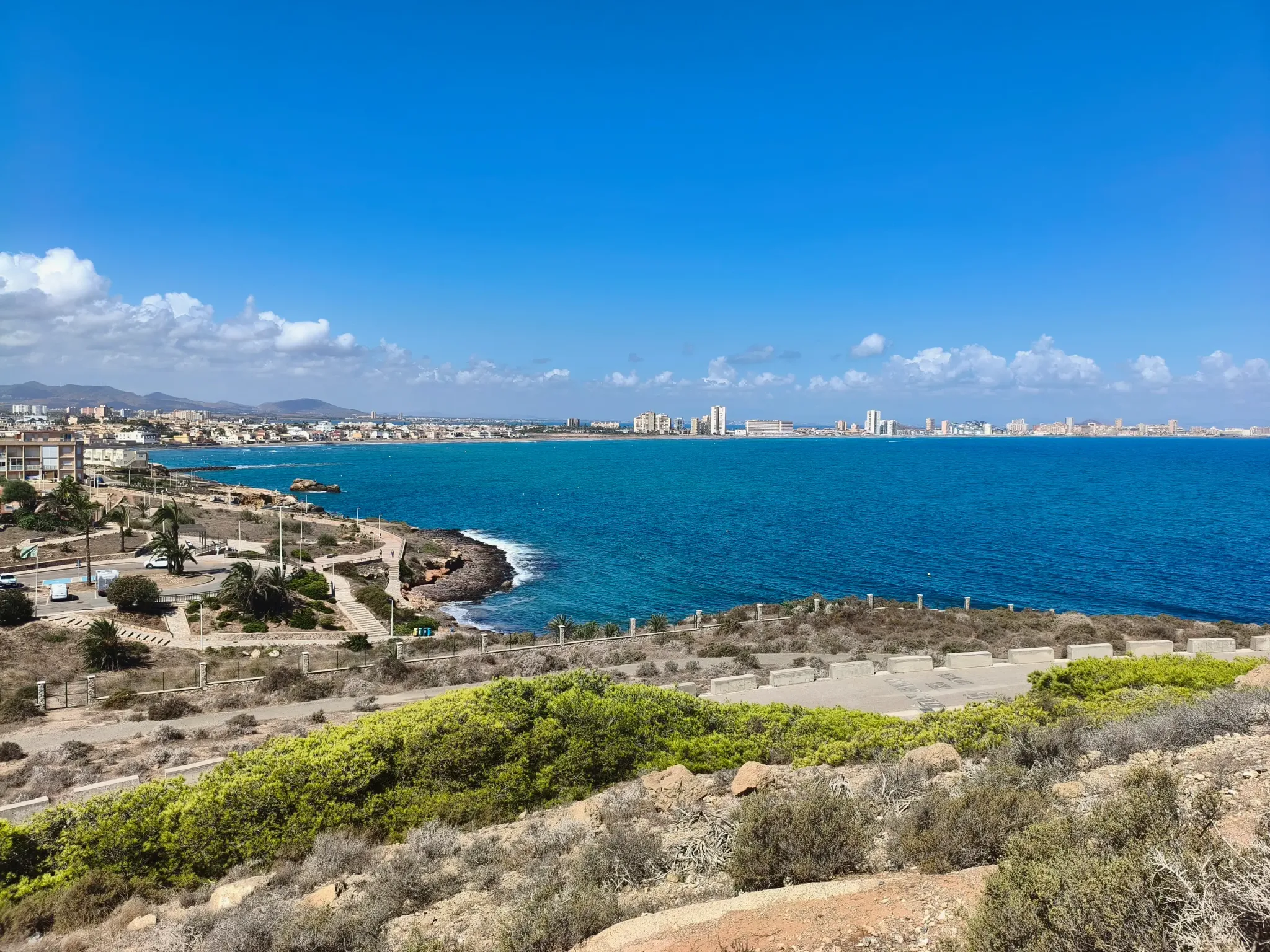
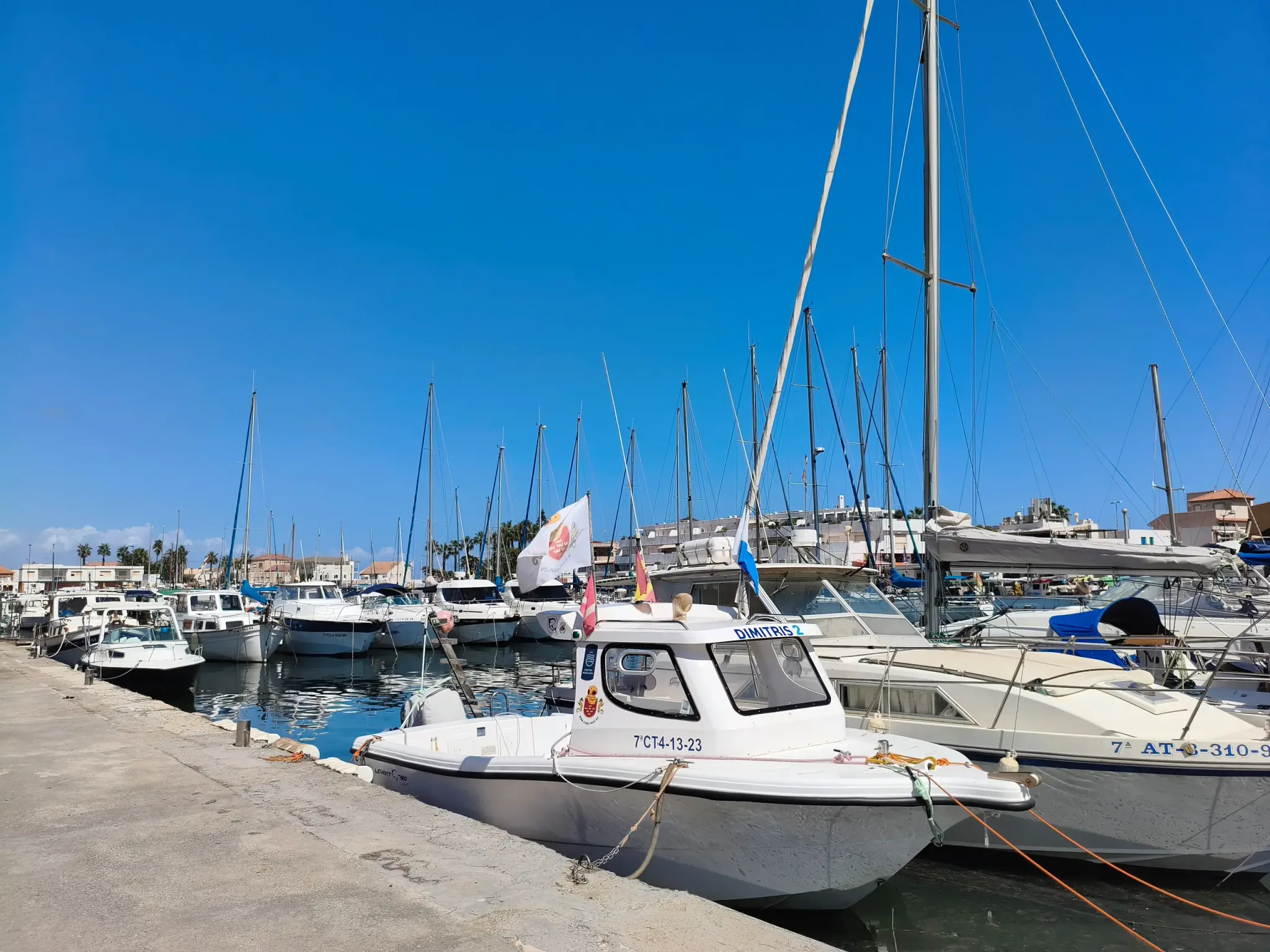
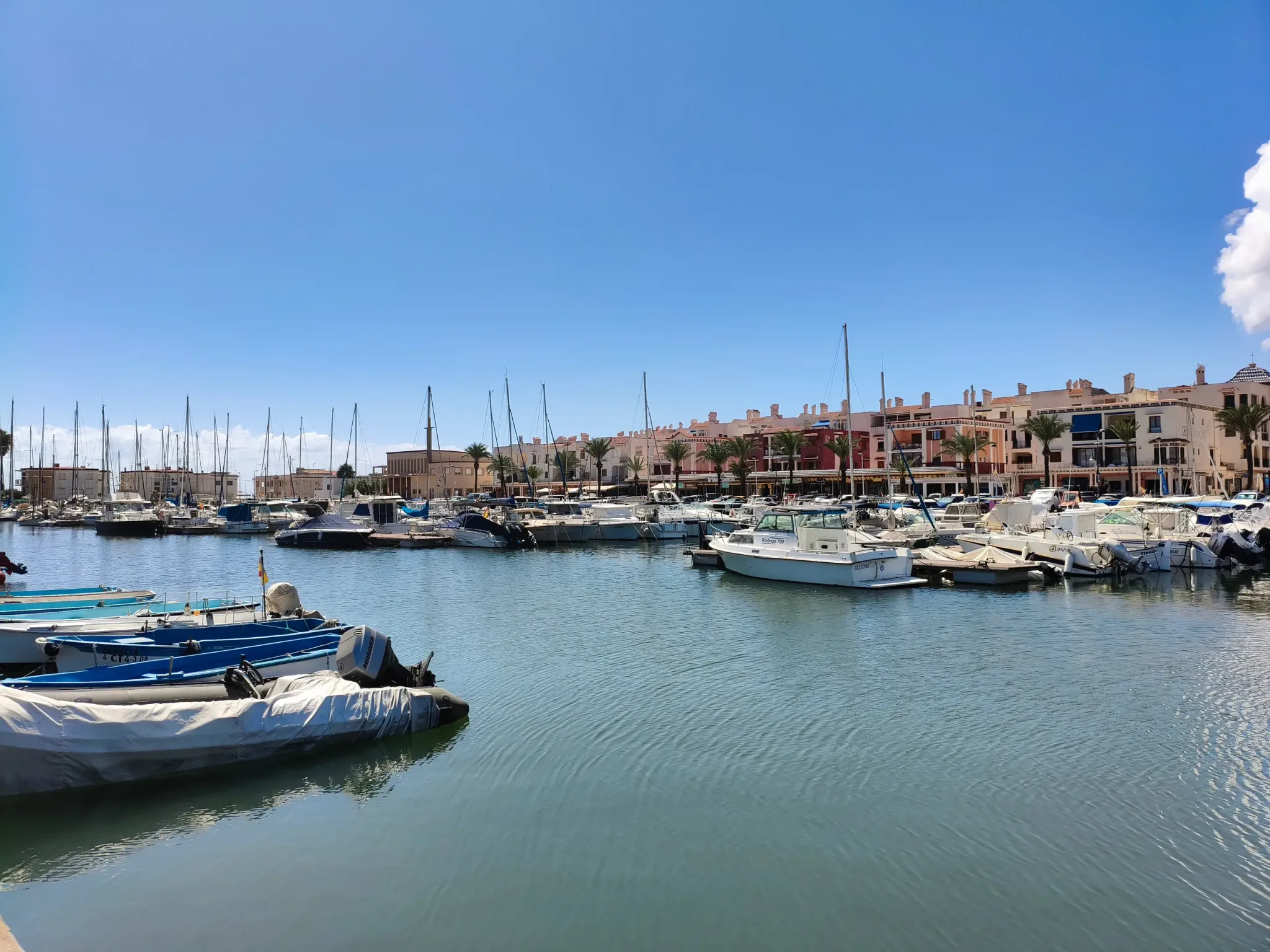
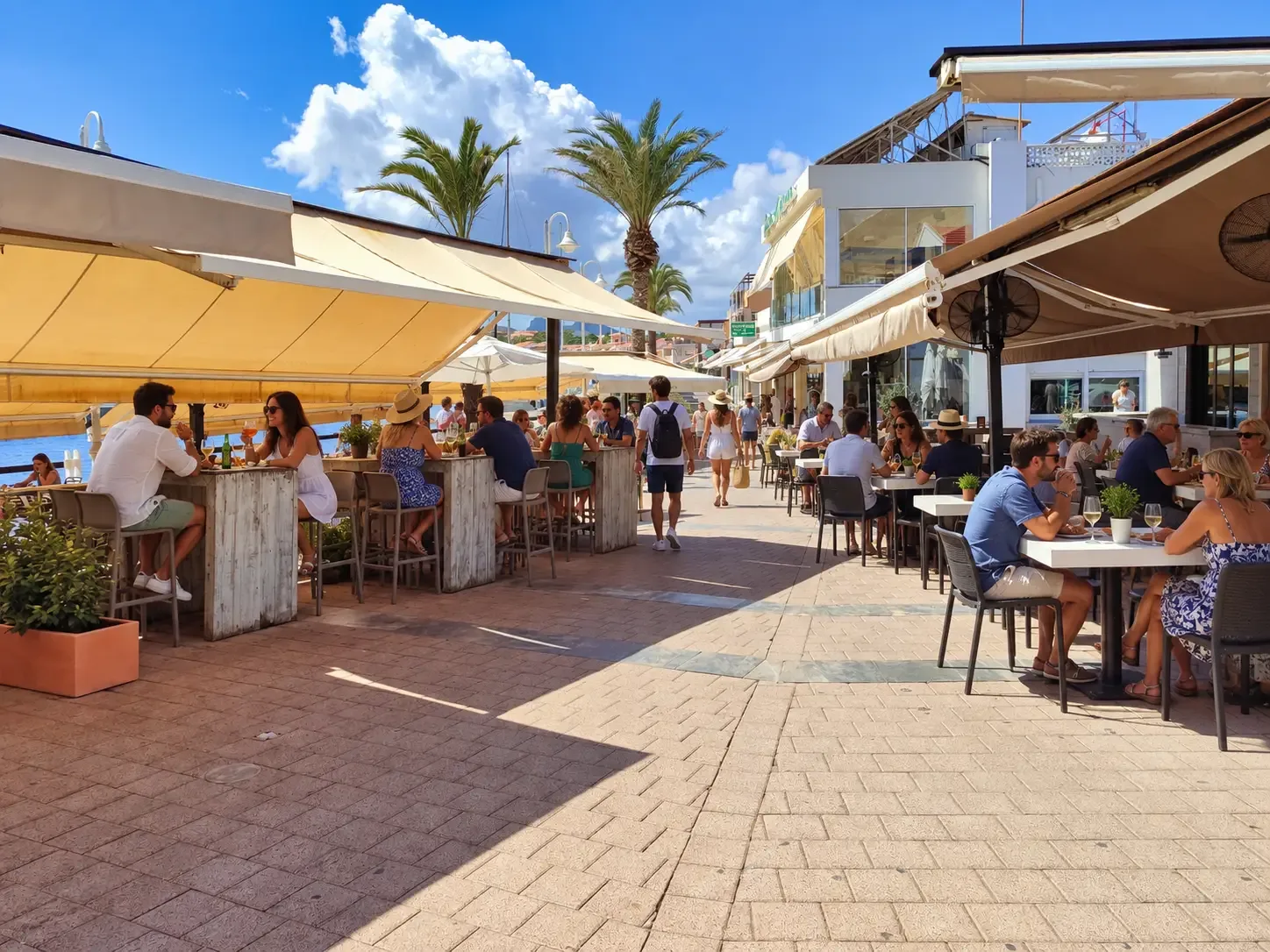
Cabo de Palos is a coastal village in the municipality of Cartagena where a working harbour, small coves and a landmark lighthouse sit within walking distance of one another. Its fishing heritage remains visible among the leisure craft and diving boats, while the waterfront terraces give the harbour a relaxed social atmosphere.
A short history of Cabo de Palos
The village takes its name from the cape on which it stands. Cartagena’s tourism authority links “Palos” to the Latin palus, meaning a lagoon or marsh, a reference to the great lagoon beside the headland. The cape’s position between the Mediterranean and the Mar Menor has shaped its story for centuries.
Fishing was already established here by the late sixteenth century, when records describe an almadraba tuna fishery at Cabo de Palos. The same exposed location also needed protection from corsair raids. A fortified watchtower formed part of the coastal warning system, watching the sea and helping to protect the local fishing grounds.
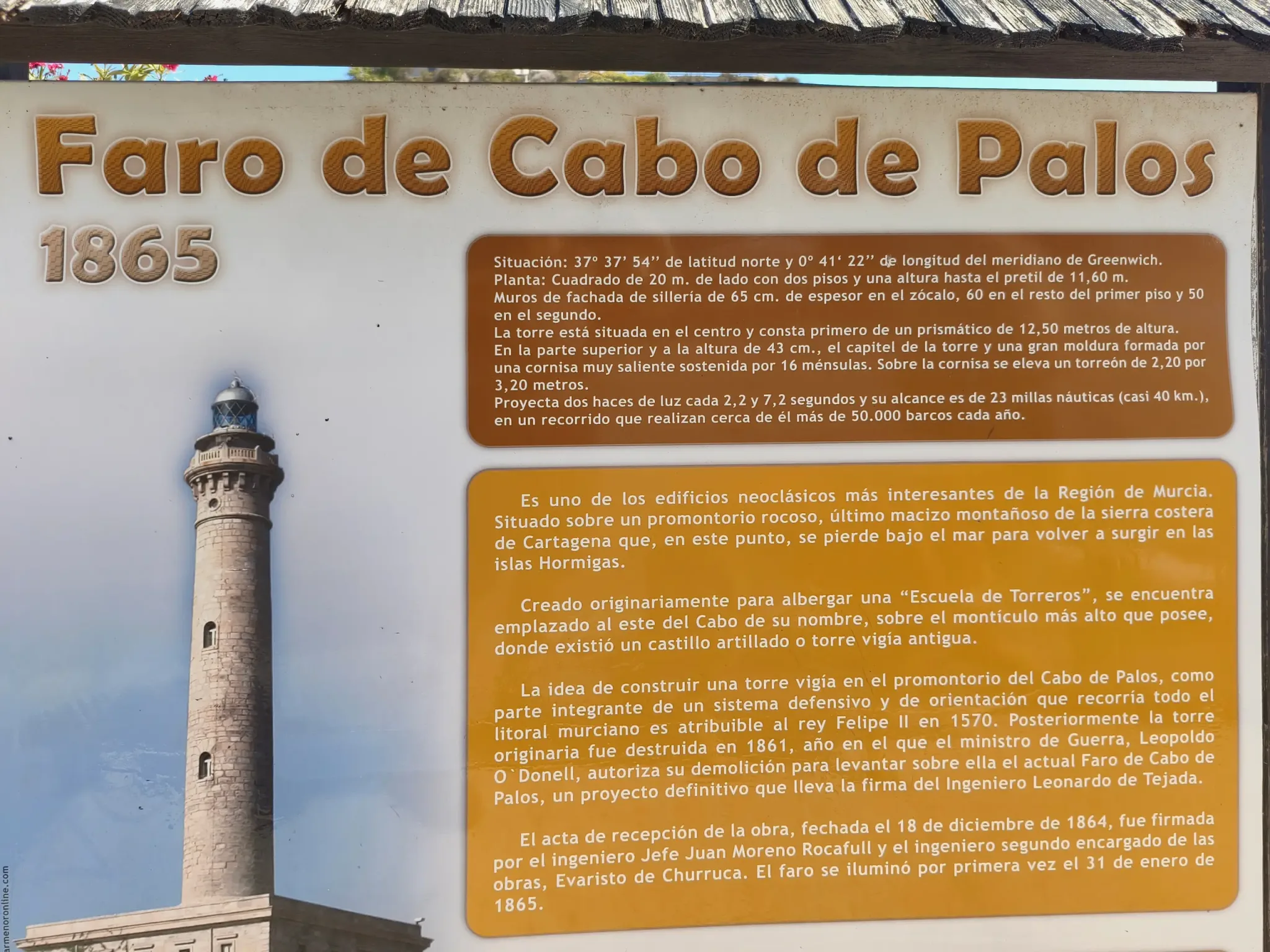
That defensive tower later gave way to the lighthouse. Construction began in the early 1860s after the old tower was demolished, and some of its stone was reused in the new building. The light was first lit on 31 January 1865. From 1875 to 1900, the lighthouse building also housed a school where future lighthouse keepers received practical training.
Cabo de Palos developed from an old fishing settlement into today’s fishing and visitor destination, but the sea still ties its different eras together. The harbour remains the centre of village life, the lighthouse continues to guide shipping, and the surrounding waters now form part of the Cabo de Palos and Islas Hormigas Marine Reserve. This guide covers what to see, what eating around the harbour is like and how to plan the route between the marina and lighthouse.