









Lorca Castle (Fortaleza del Sol)
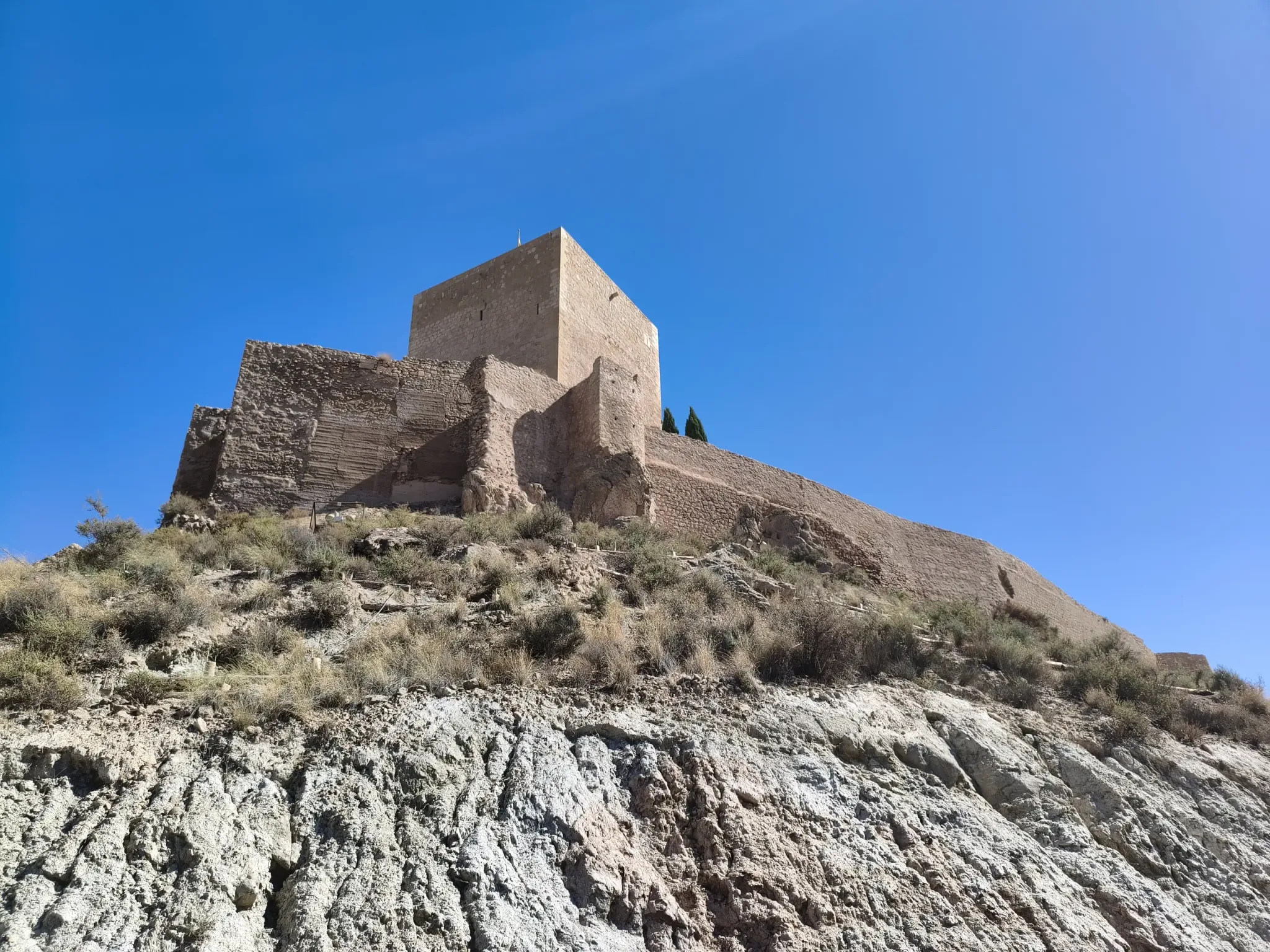
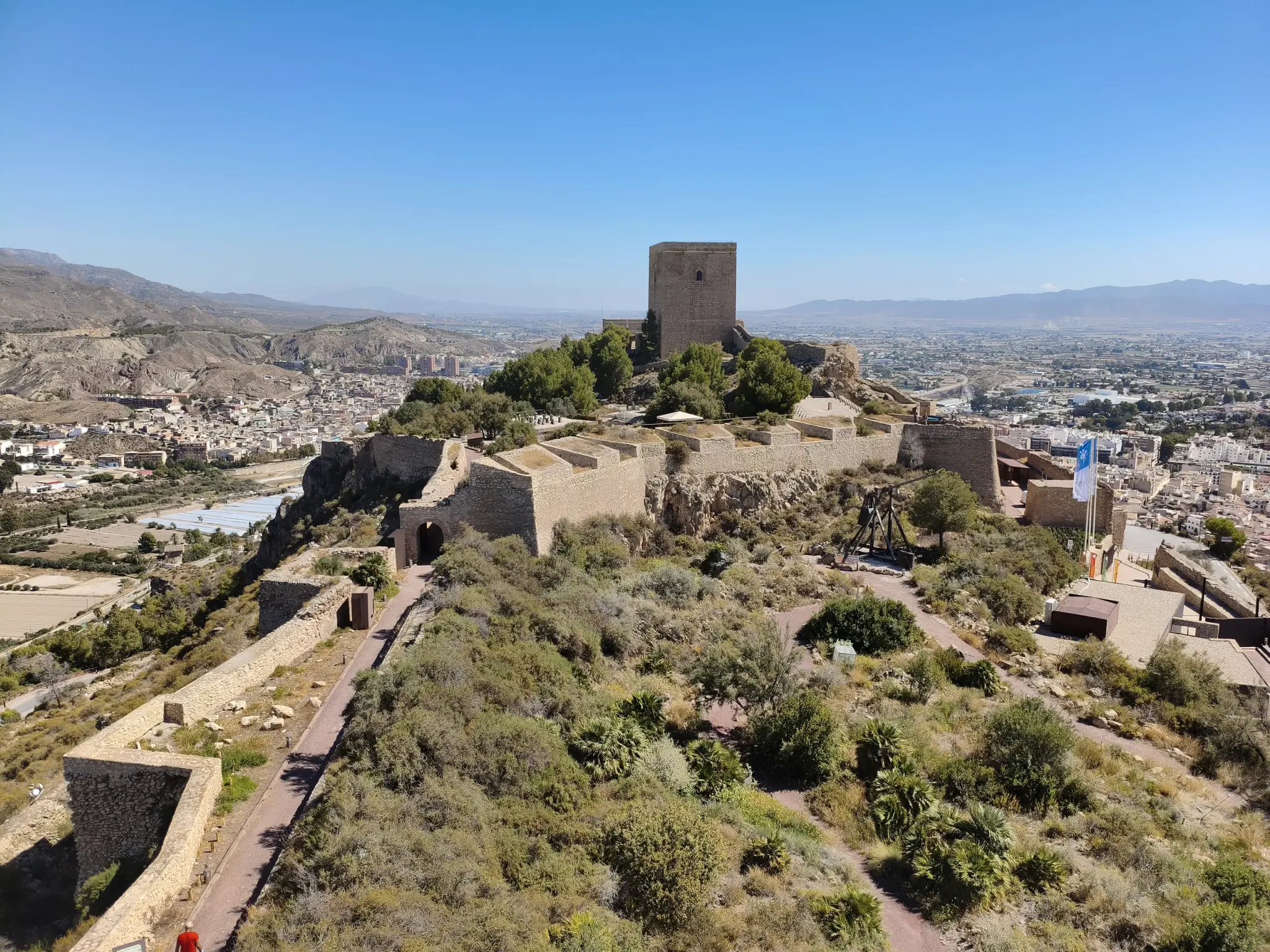
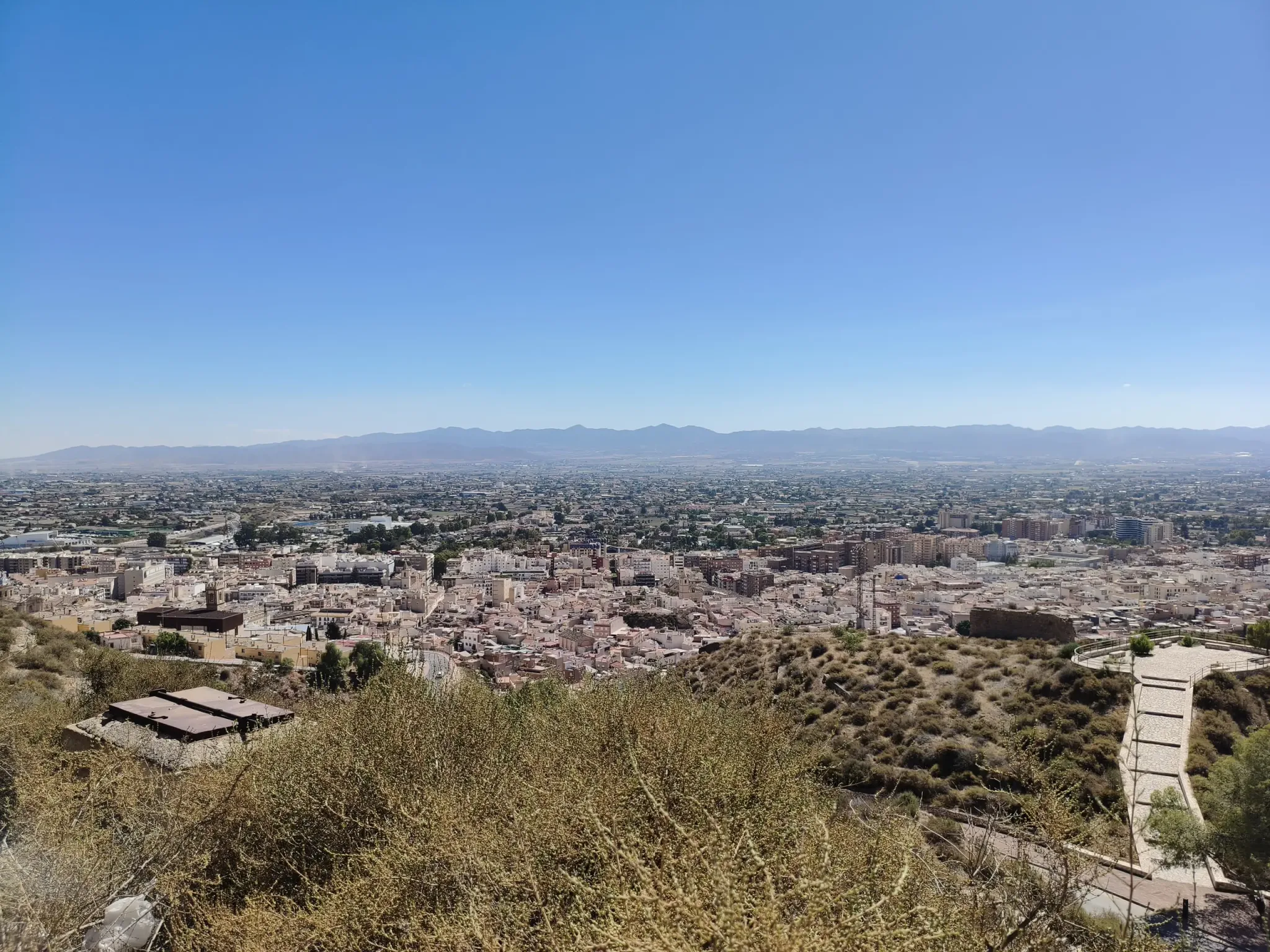
Lorca Castle, also known as the Fortaleza del Sol, occupies the ridge above Lorca. Its walls and towers make the city’s defensive history visible from the streets below, while a visit puts the surrounding valley and historic centre into perspective.
The medieval fortress developed between the 11th and 13th centuries and helped defend the frontier between the kingdoms of Murcia and Granada. It remained in use into the 16th century and later served again as a refuge and defensive position during the Peninsular War.
Towers and the fortified landscape
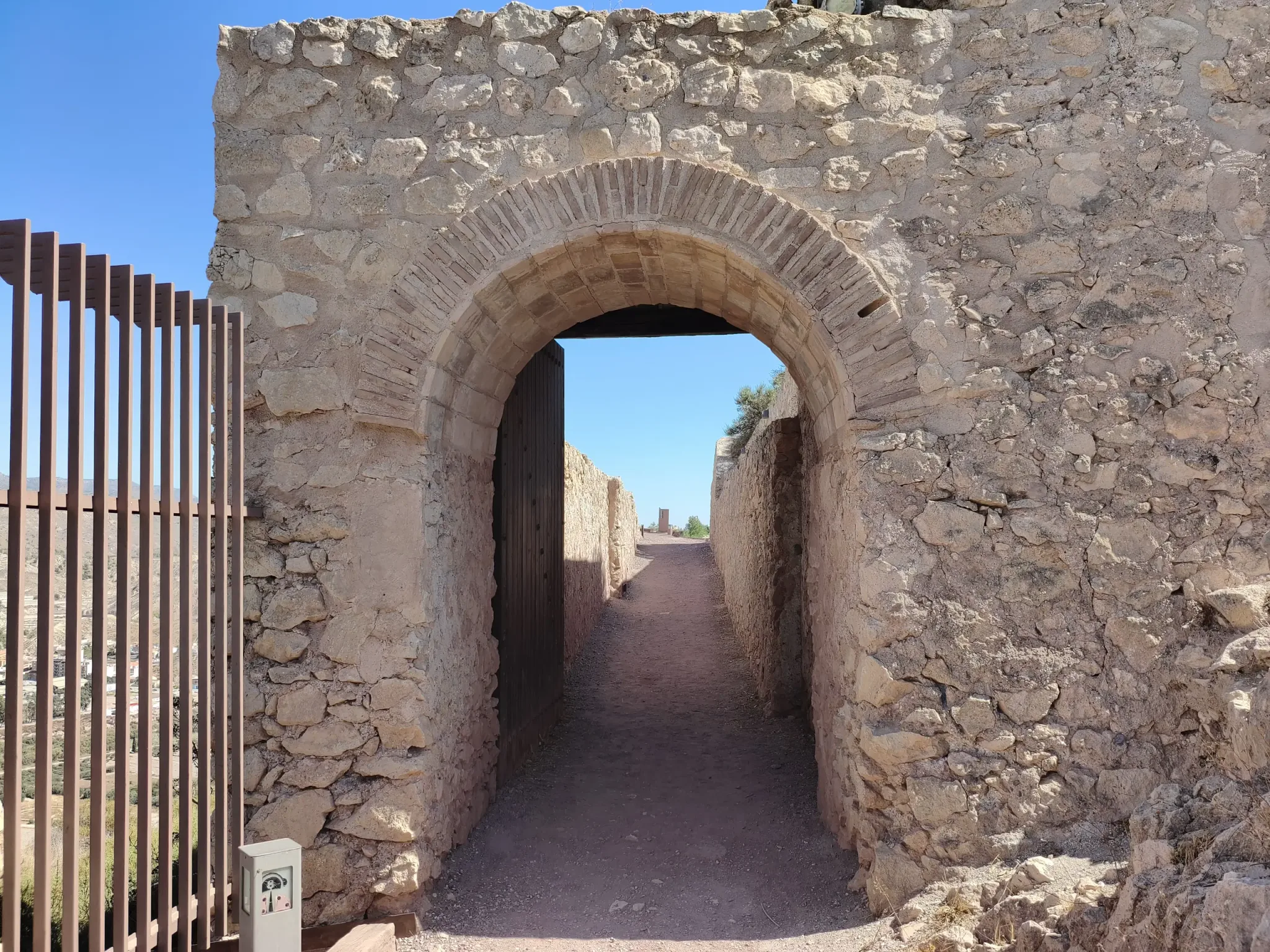
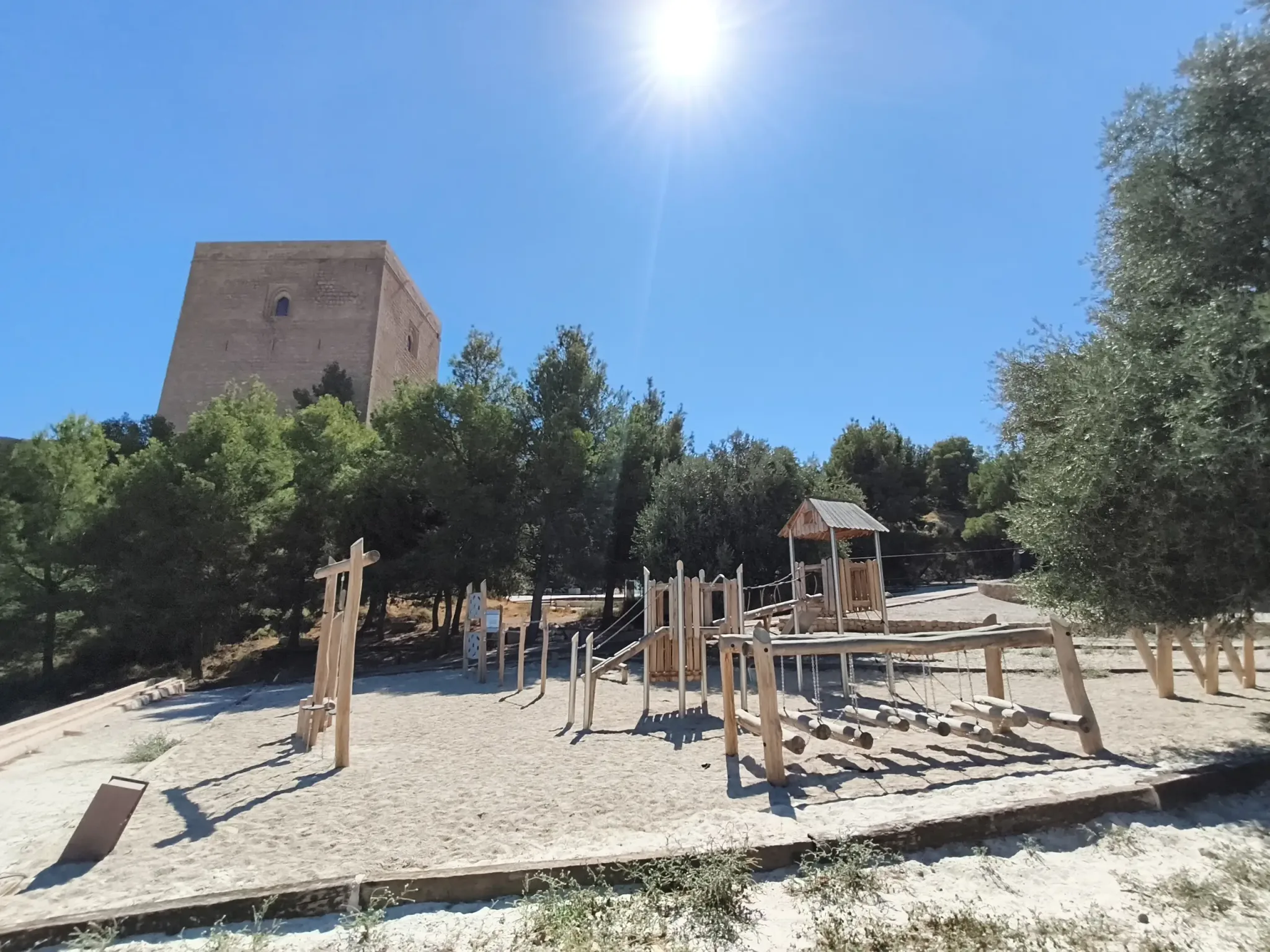
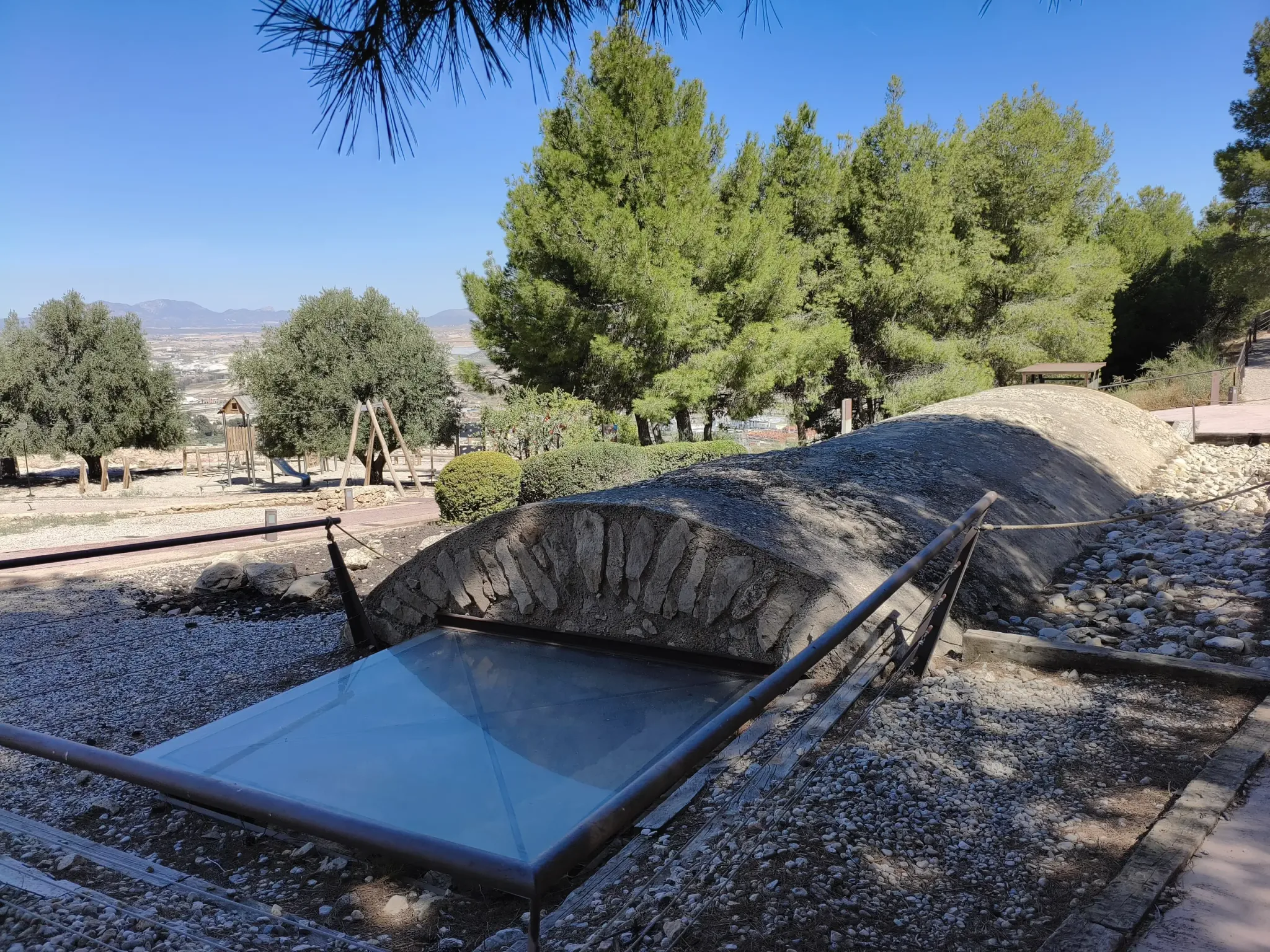
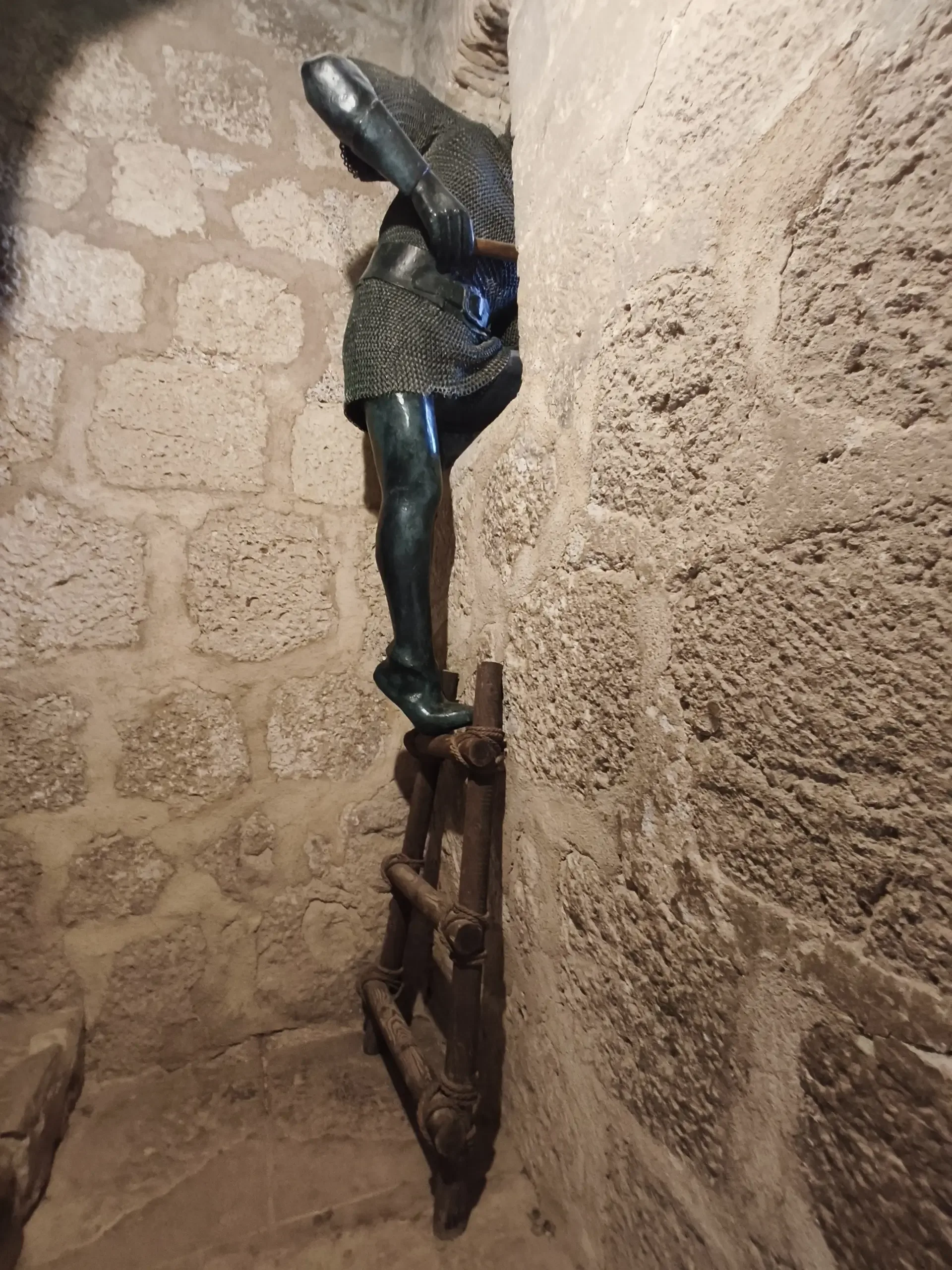
The towers, water cisterns and surviving walls give the castle its character. Rather than treating it as a single building, think of a visit as a walk through a large fortified site, with separate spaces to explore along the way.
The Alfonsina and Espolón towers are among its principal landmarks. Check their entry slots when planning your route: admission to the grounds does not mean every interior is continuously open.
This matters outside the busiest summer period. The current September and October programme opens each tower and the synagogue at specific times for about 30–40 minutes, then closes the space again. Summer has more frequent passes, but the official programme still uses timed entry rather than guaranteed continuous access. Ask at reception which spaces and packages fit the day of your visit.
The Jewish quarter and synagogue
Within the castle is an archaeological area preserving remains of Lorca’s medieval Jewish quarter. The excavated streets and houses add a domestic dimension to a place otherwise dominated by military architecture.
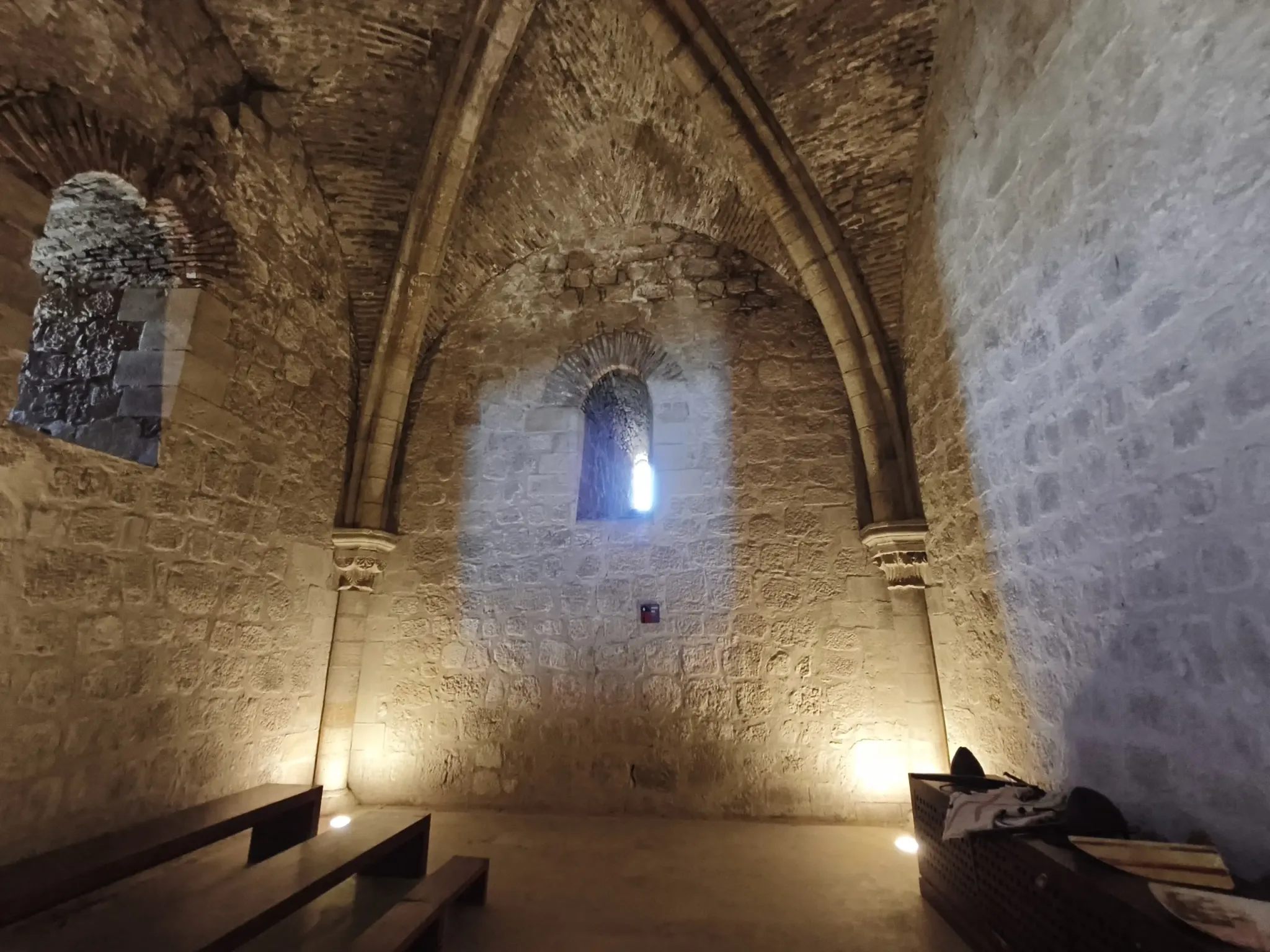
The synagogue is a particularly significant part of that visit. Built partly below ground and never converted into a Christian church, it preserves evidence of the community’s religious life. It is worth considering the archaeological area alongside the towers when choosing tickets.
Combining the castle with the old town
The municipal walking route climbs from Plaza de España, beside San Patricio Collegiate Church, through the Santa María area towards the castle entrance. This makes a natural link between Lorca’s civic centre and its hilltop fortress, but allow for the uphill approach.
For a broader itinerary, see our Lorca castle and historic-centre day trip guide. Keep your sightseeing plan flexible enough to fit the entry times of the spaces you most want to see.
Heat, dogs and the castle café
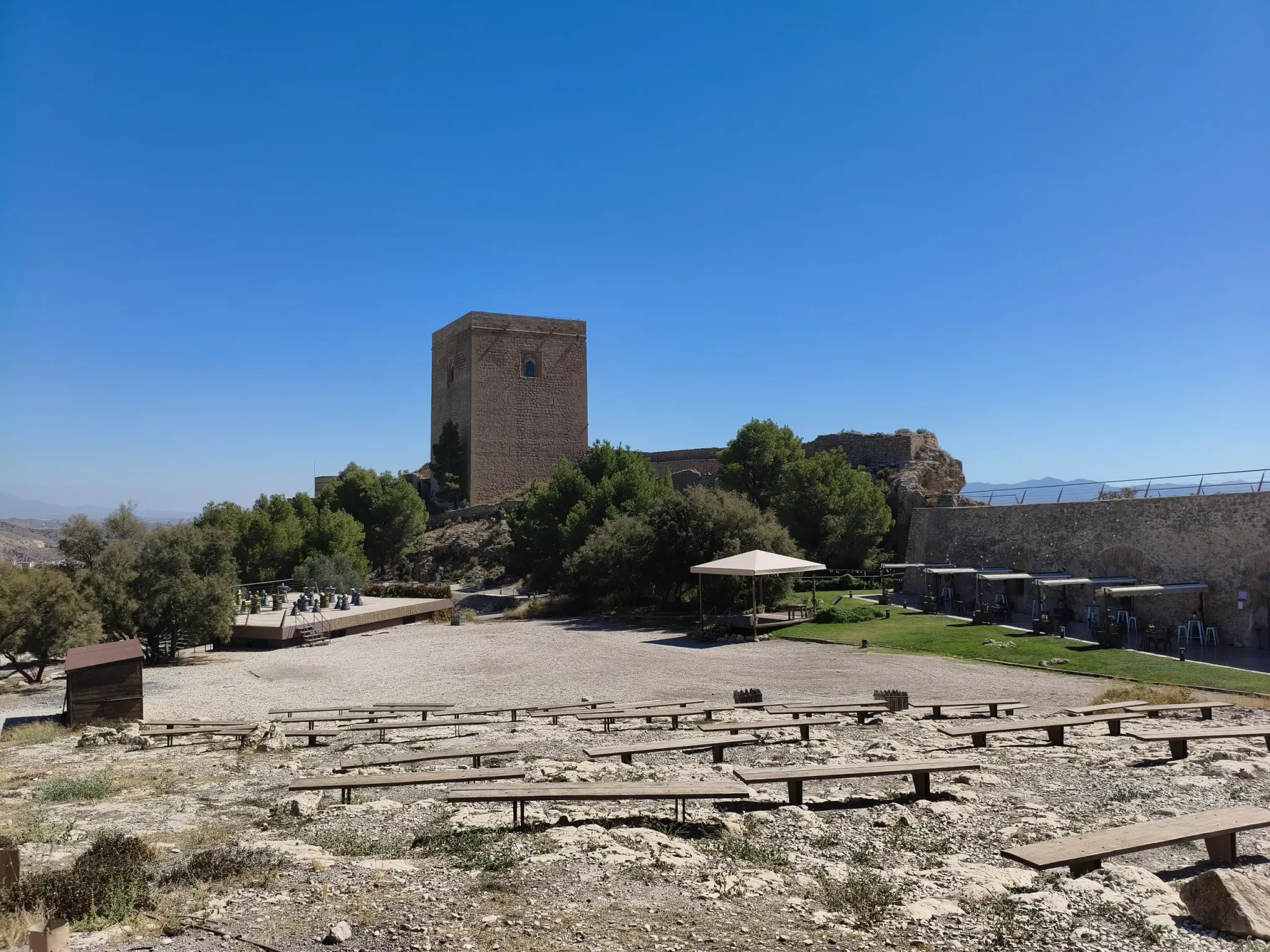
Much of the site is open and exposed. It was still very hot during our late-September visit, with limited shade between the main buildings, so carry water and plan pauses even outside high summer.
The castle’s official pet policy allows dogs throughout the walled grounds and in all visitable spaces, including the towers, cisterns, Jewish quarter and synagogue. Las Caballerizas also welcomes dogs in its air-conditioned interior and on the terrace, and provides drinking water for them.
Our experience: Las Caballerizas was excellent and very good value for a major attraction. We would recommend stopping for a drink and a tapa. It also offers a menú del día and an à la carte menu with Murcian dishes, making it a useful break during a longer castle visit.