


Mazarron Mines (Minas de Mazarron)
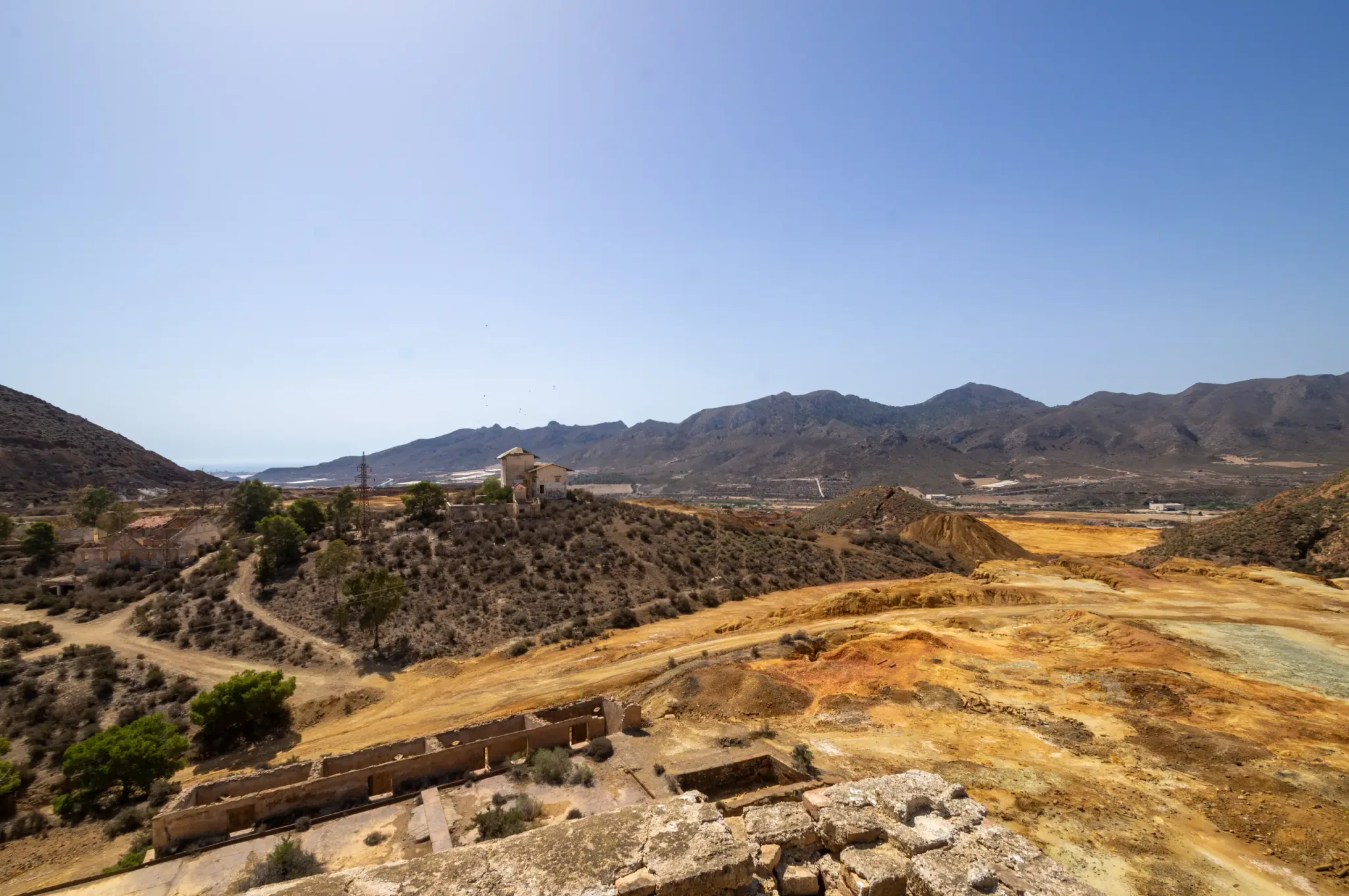
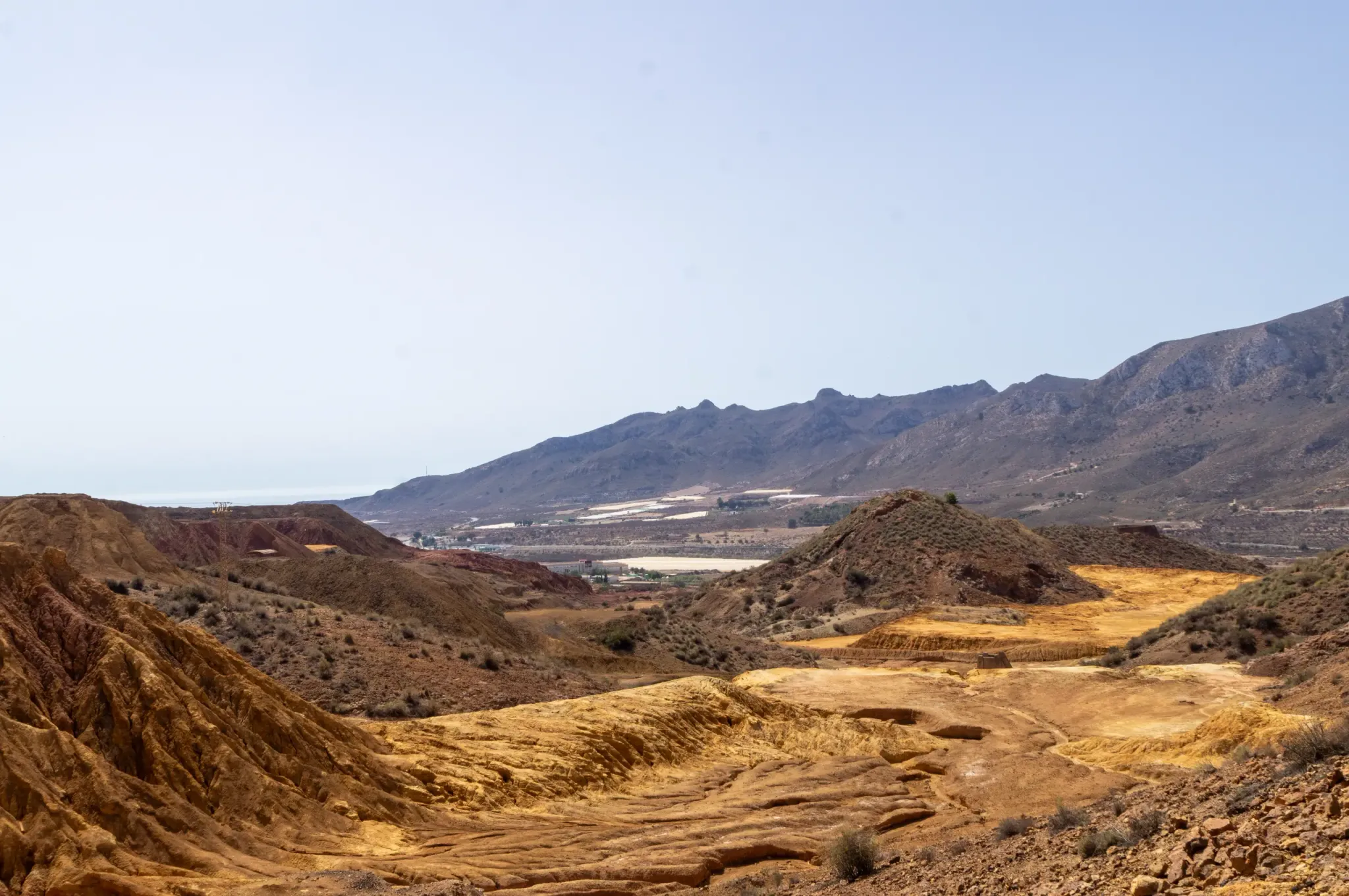
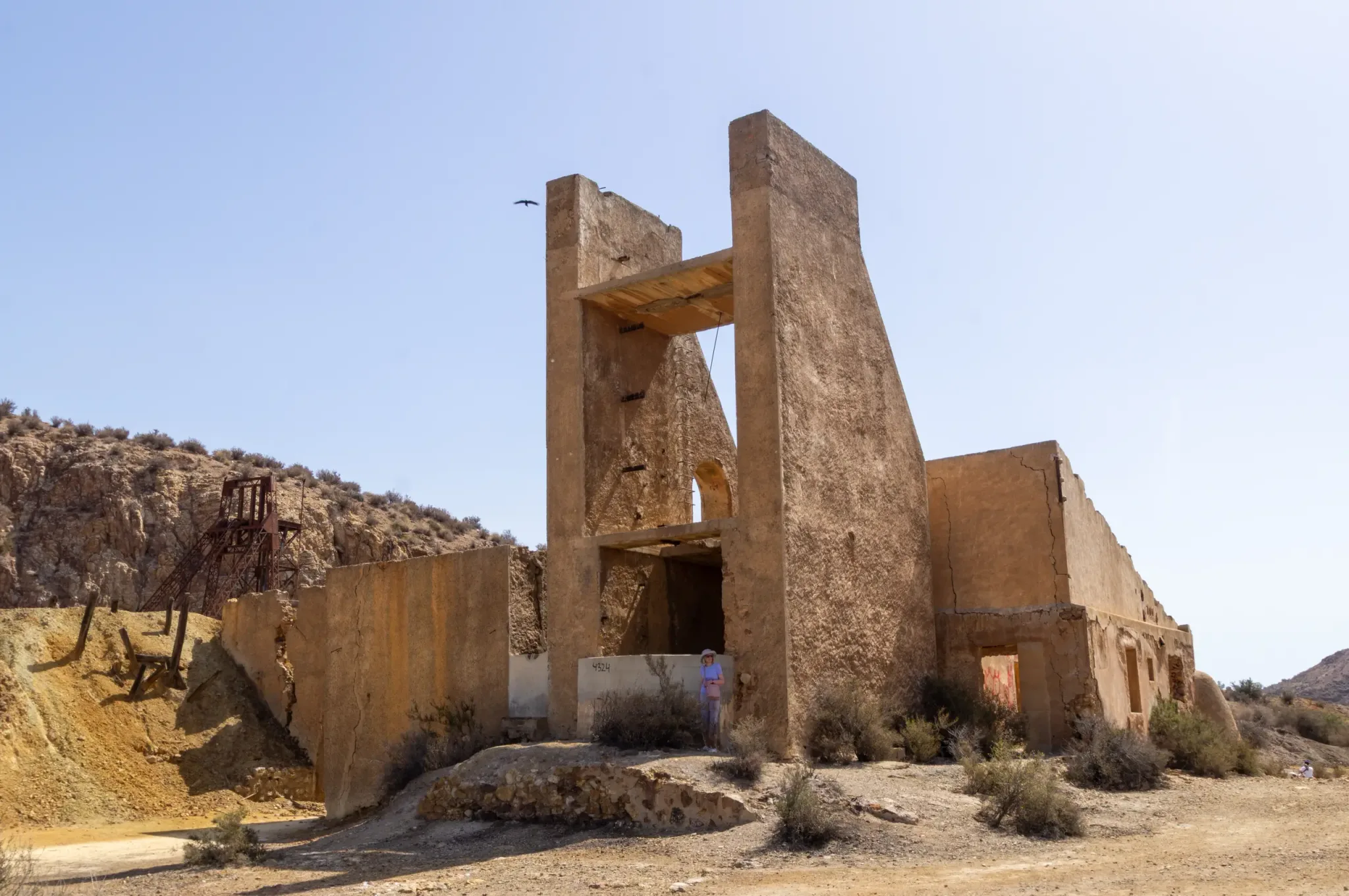
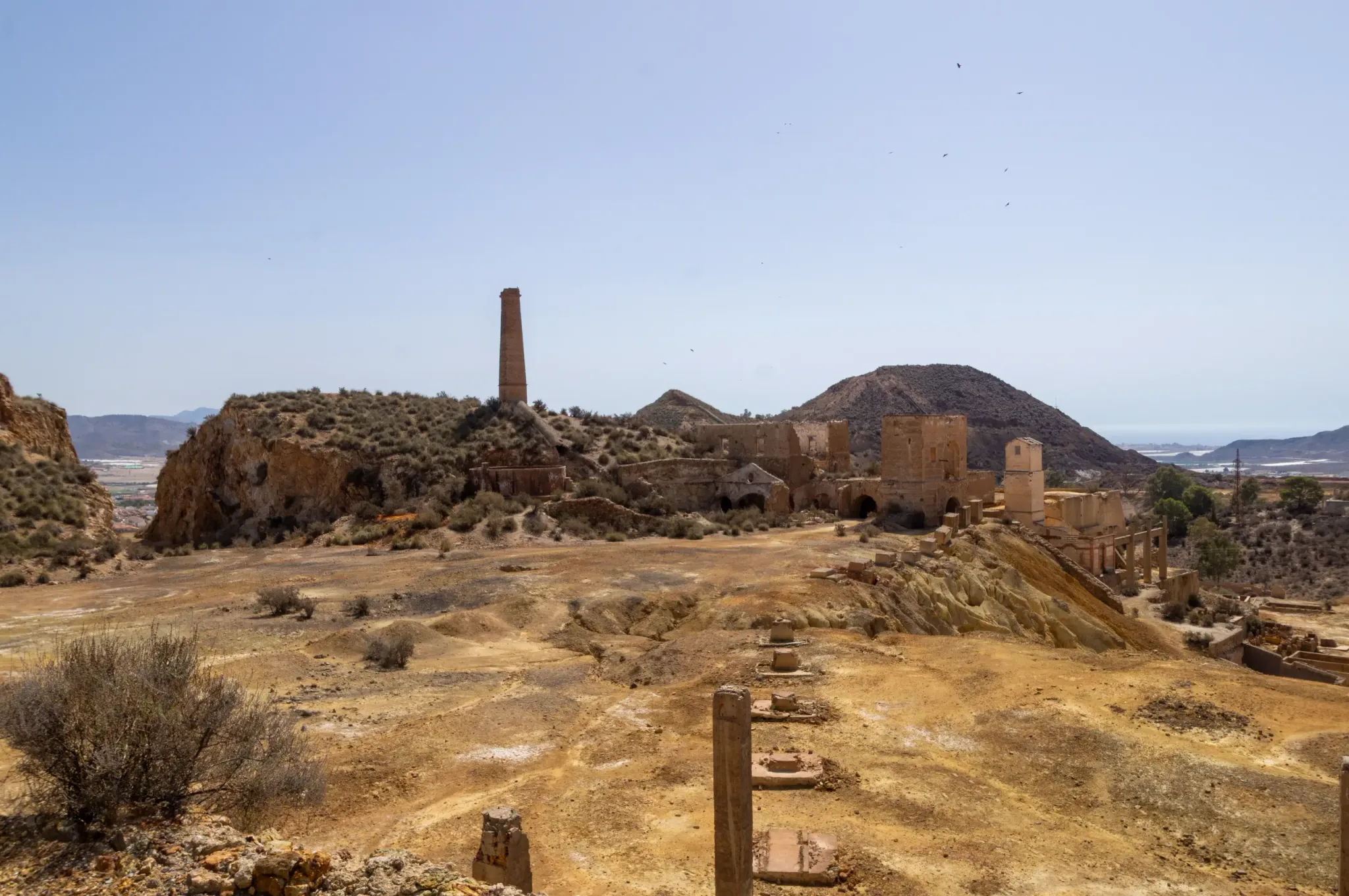
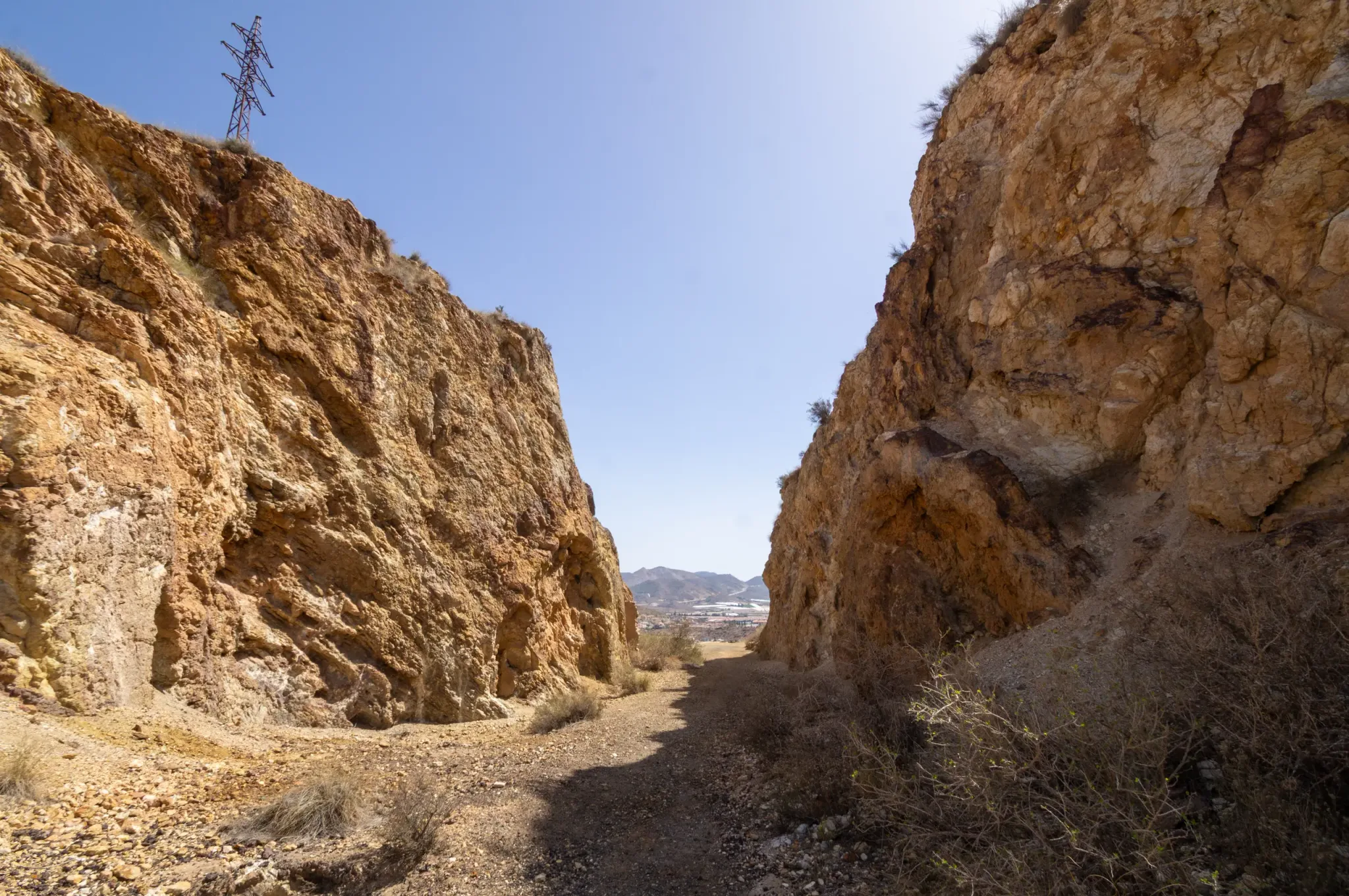
Located on the edge of the town of Mazarrón, the Minas de Mazarrón are the remains of a once-thriving mining industry that dates back to Roman times, though most of the visible ruins today are from the 19th and early 20th centuries. The area was primarily mined for lead, zinc, and silver, with peak activity in the late 1800s when Mazarrón became one of the most important mining centres in the Region of Murcia.
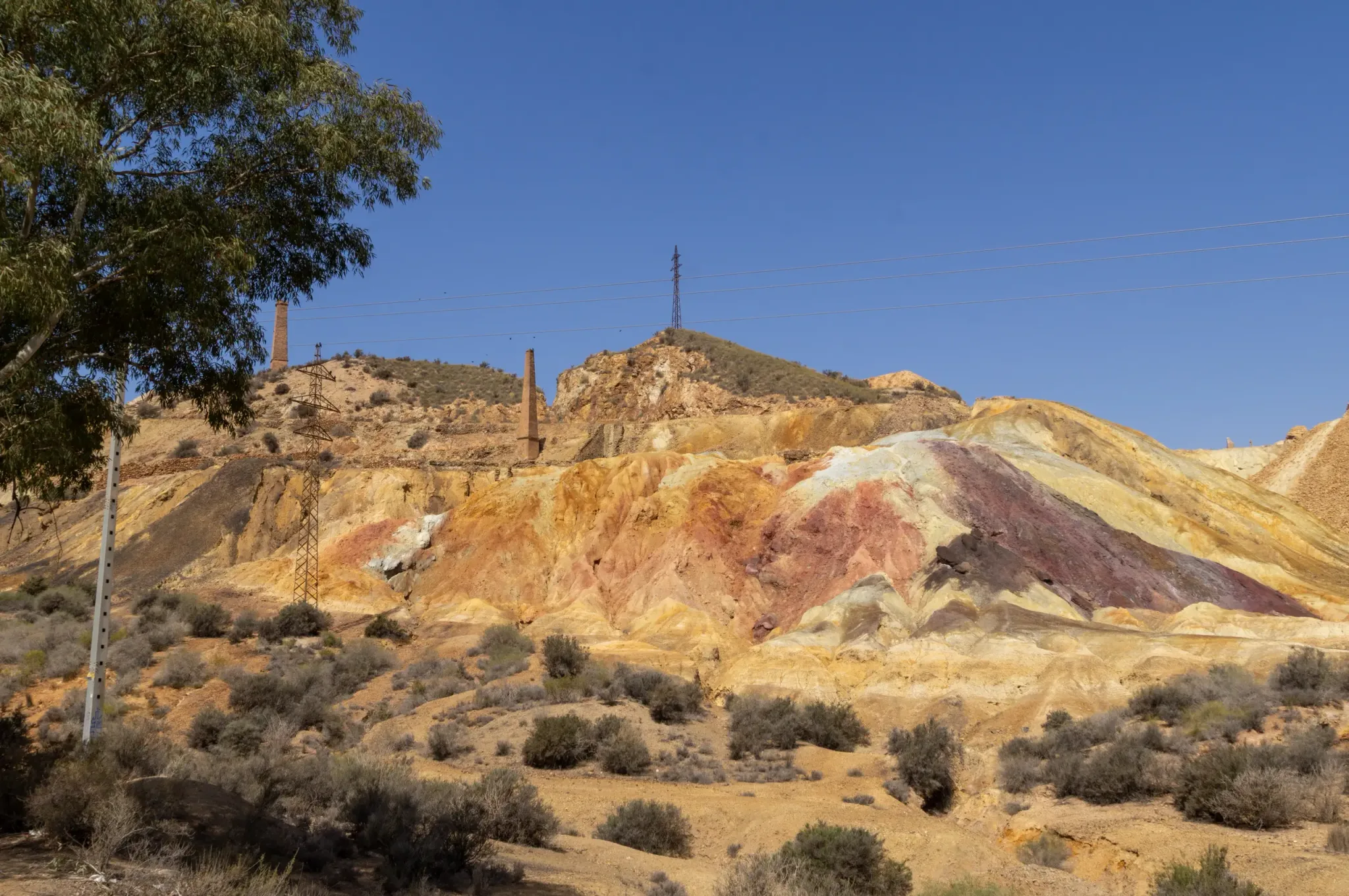
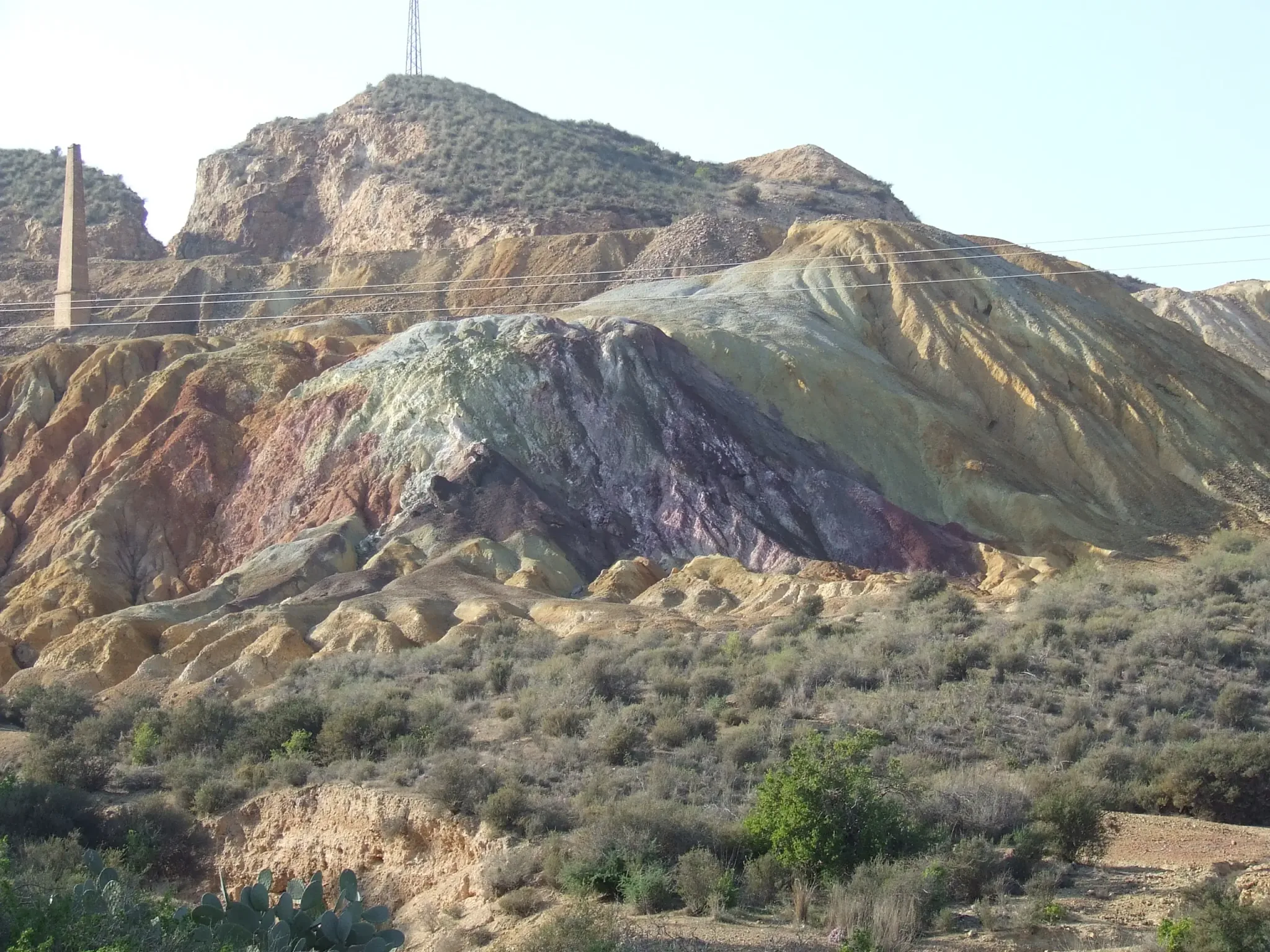
One of the more unusual materials extracted here was alum, a compound used historically in leather tanning, paper production, as a fixative in textile dyeing and as a form of deoderant. When alum-rich material was left exposed to sunlight, it produced a red pigment known as almagre, which was used as a natural dye and in protective paints and coatings.
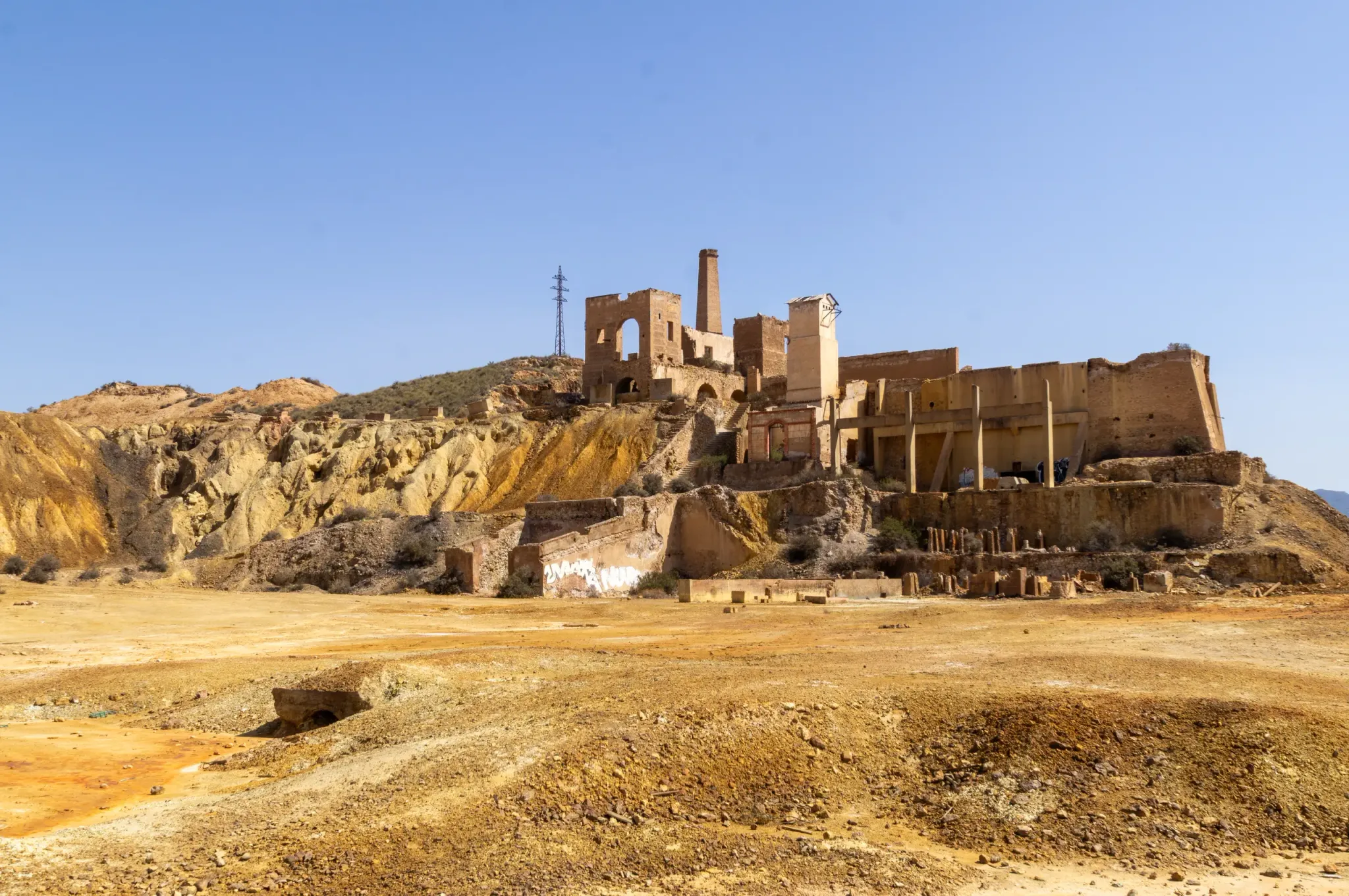
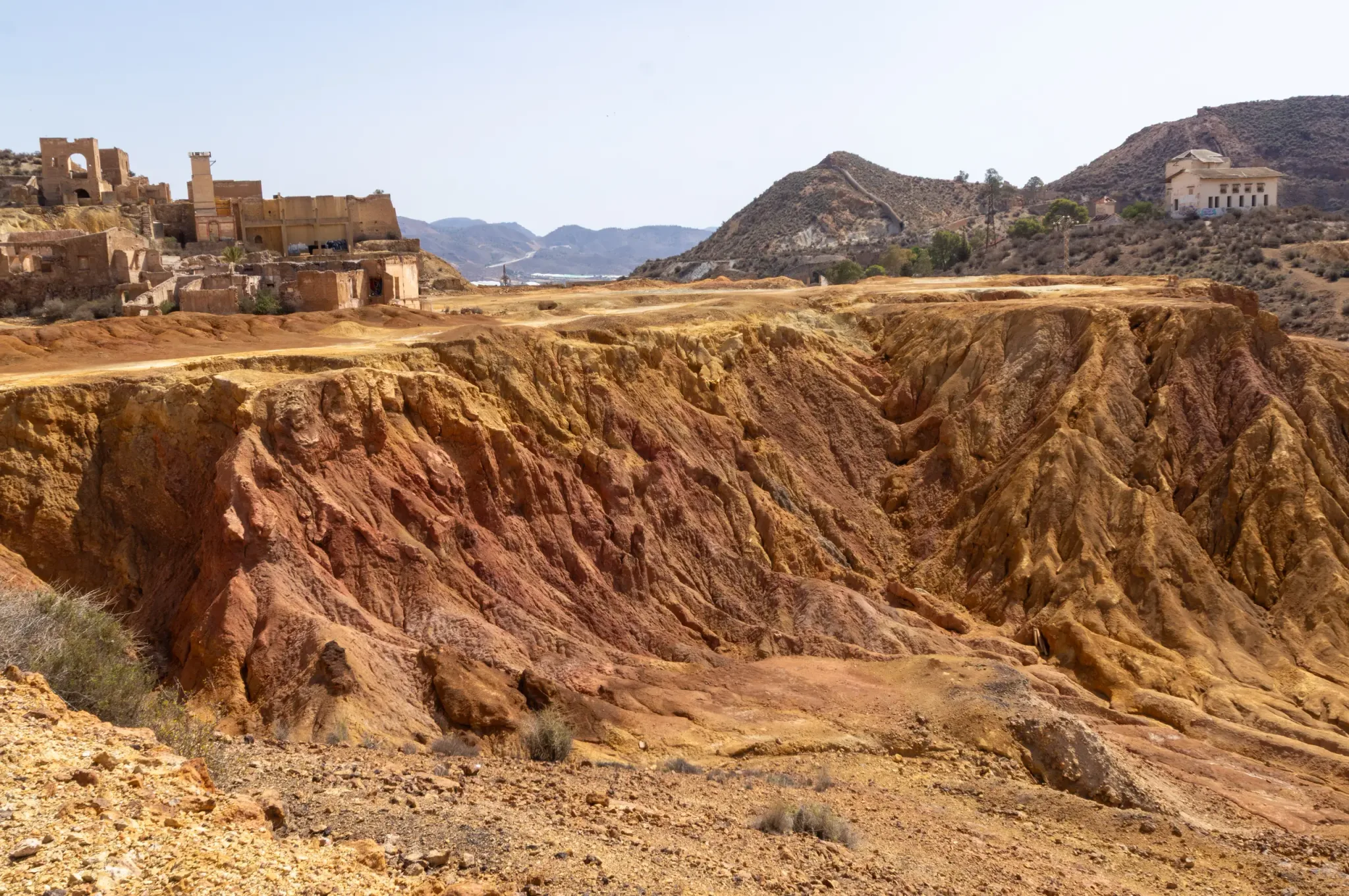
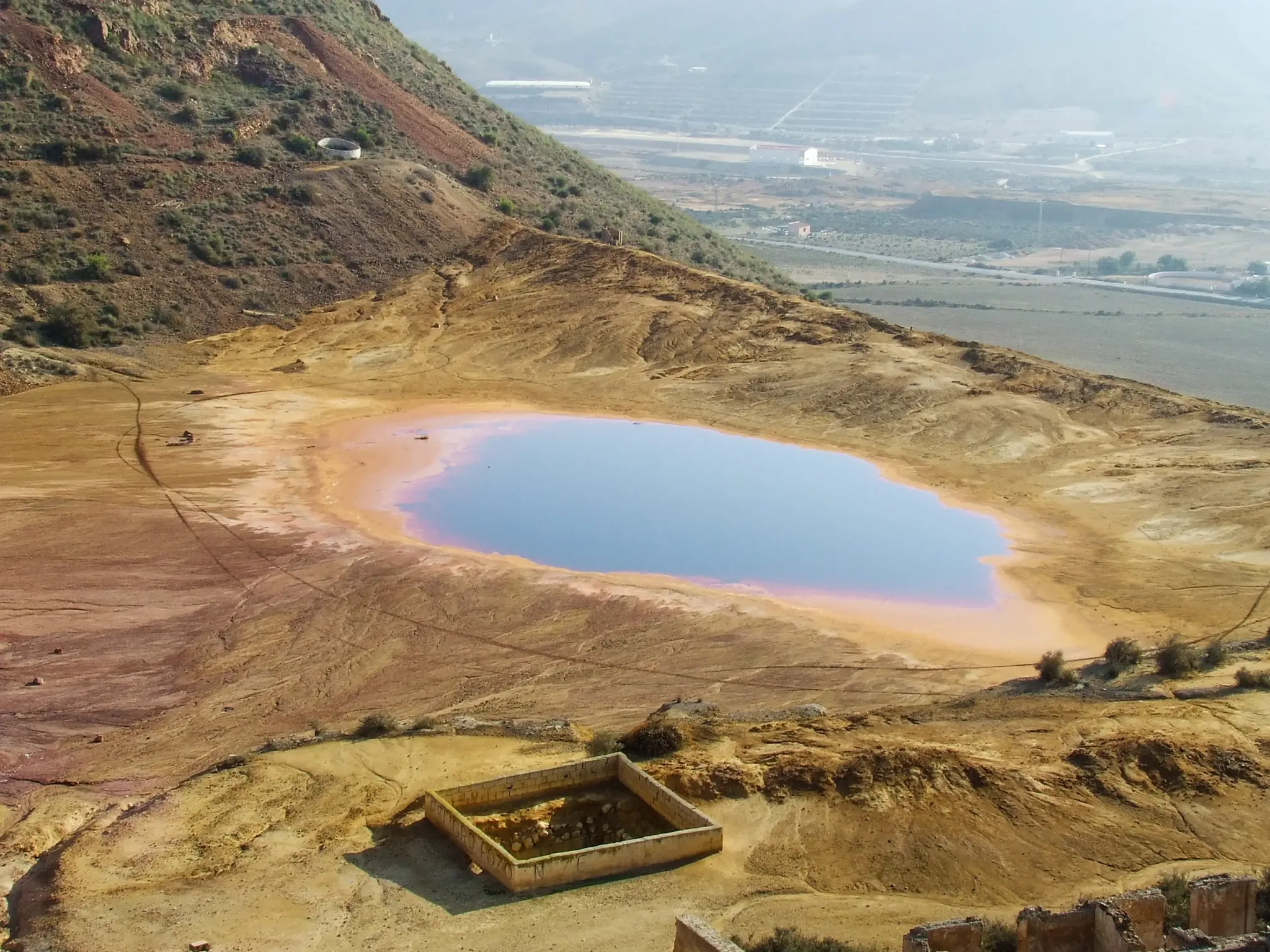
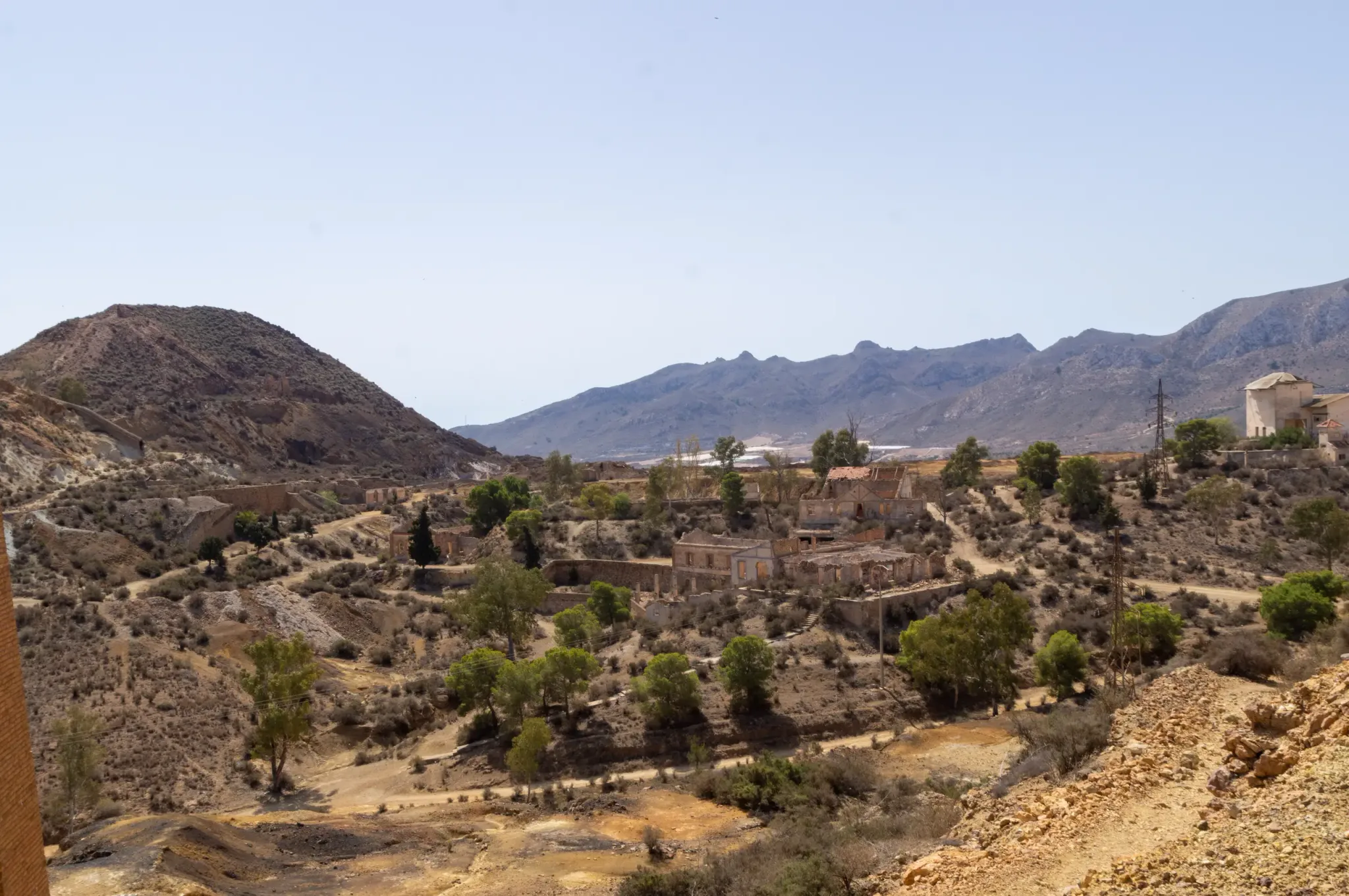
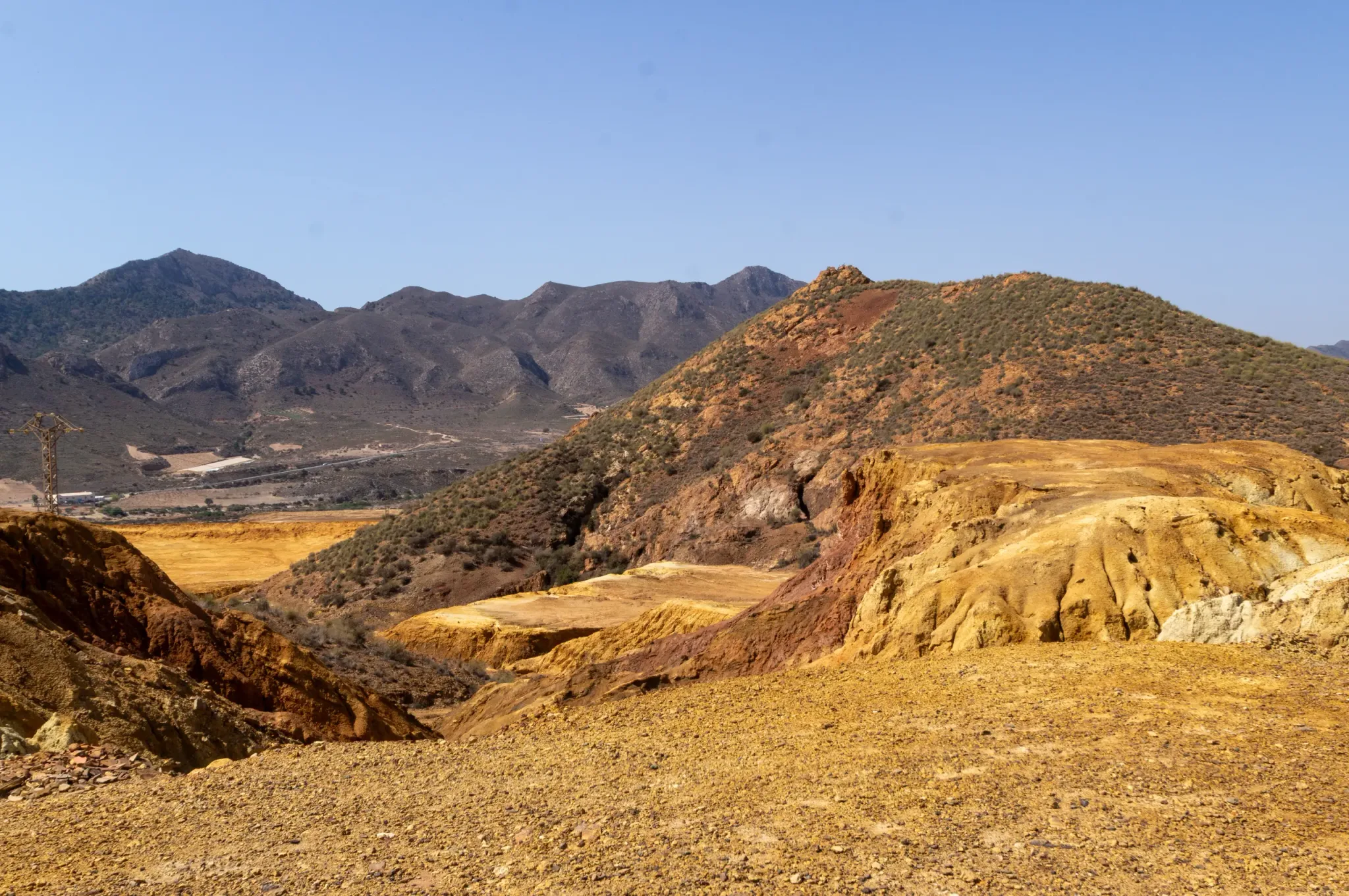
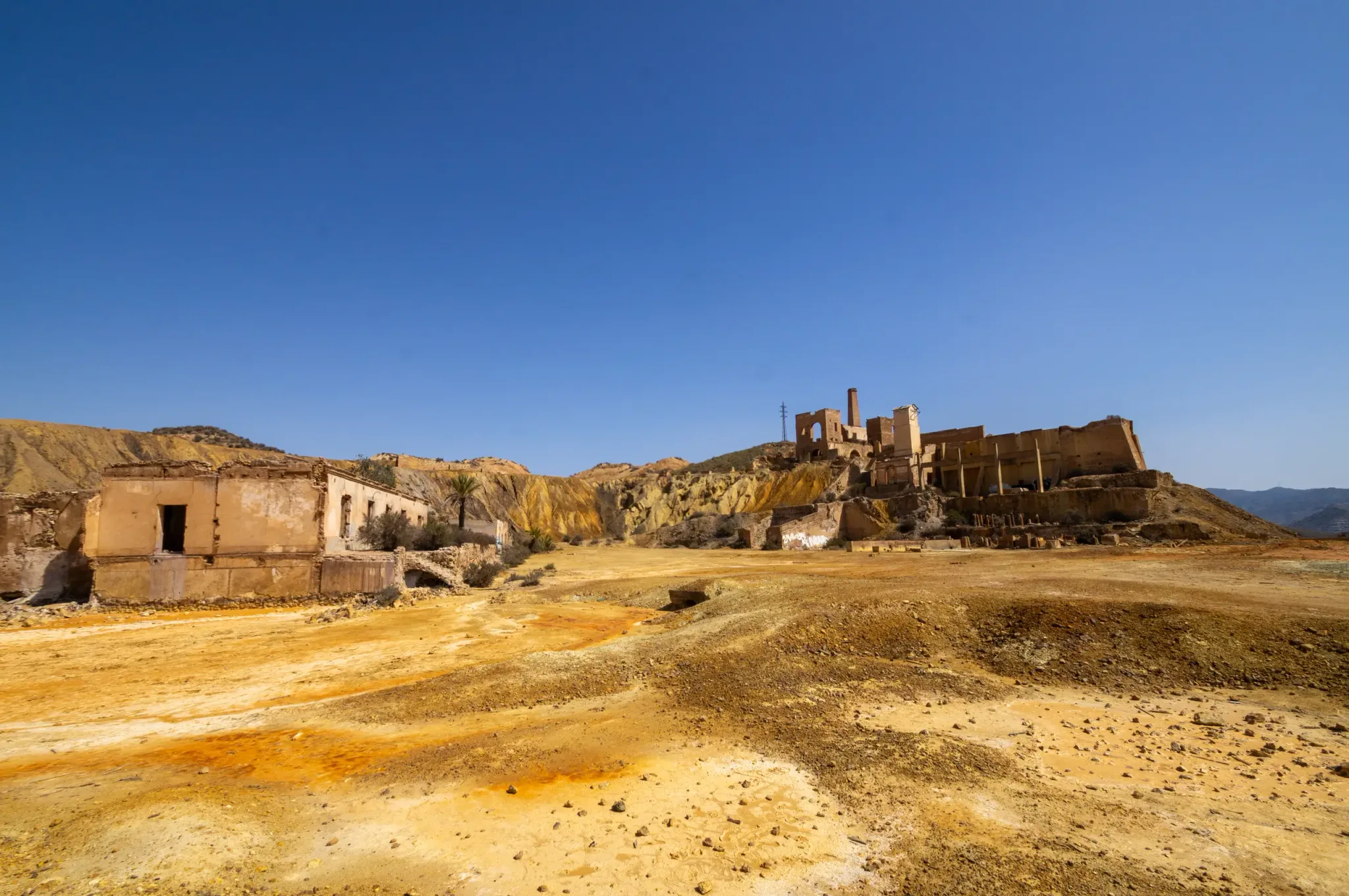
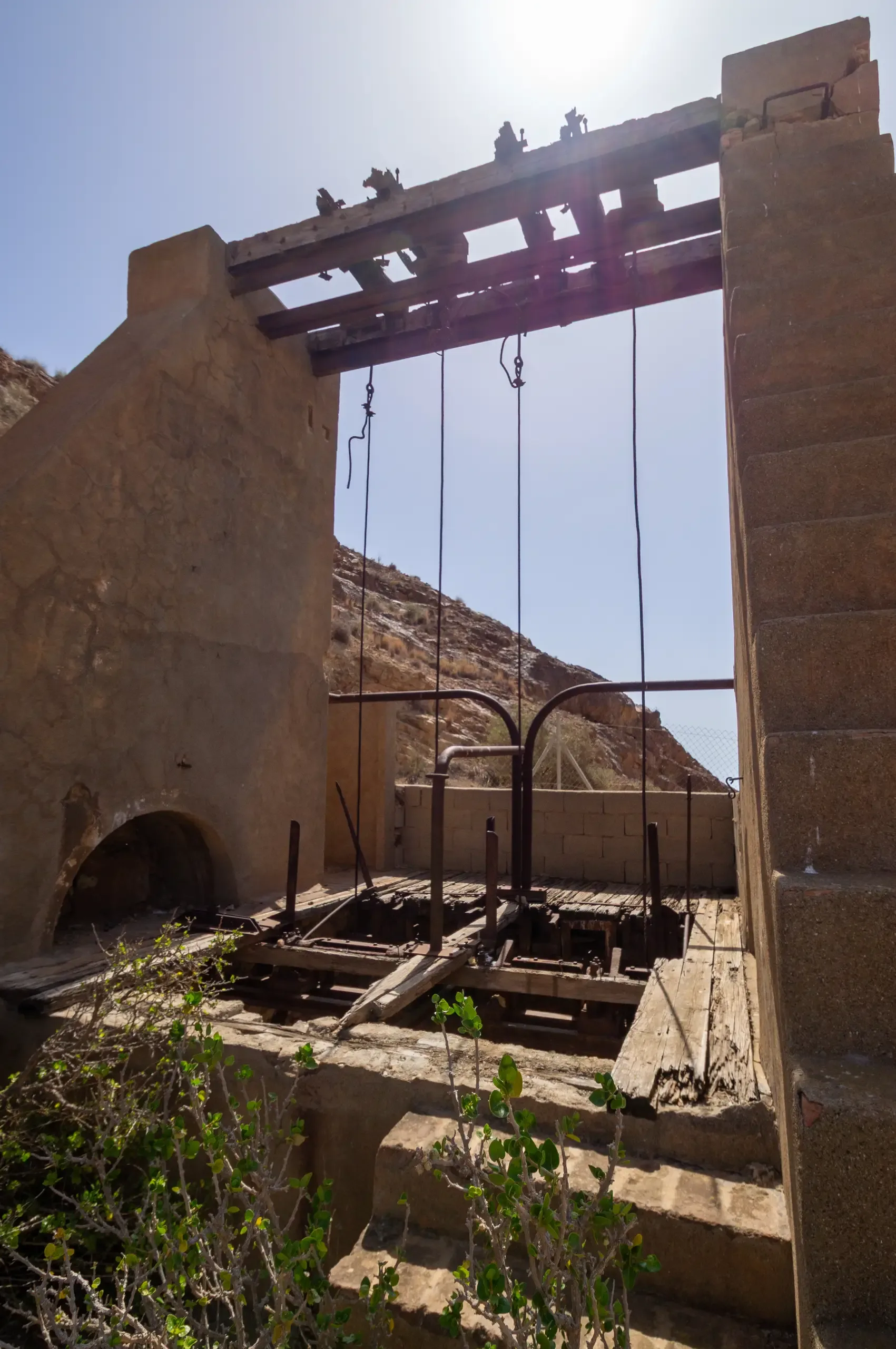
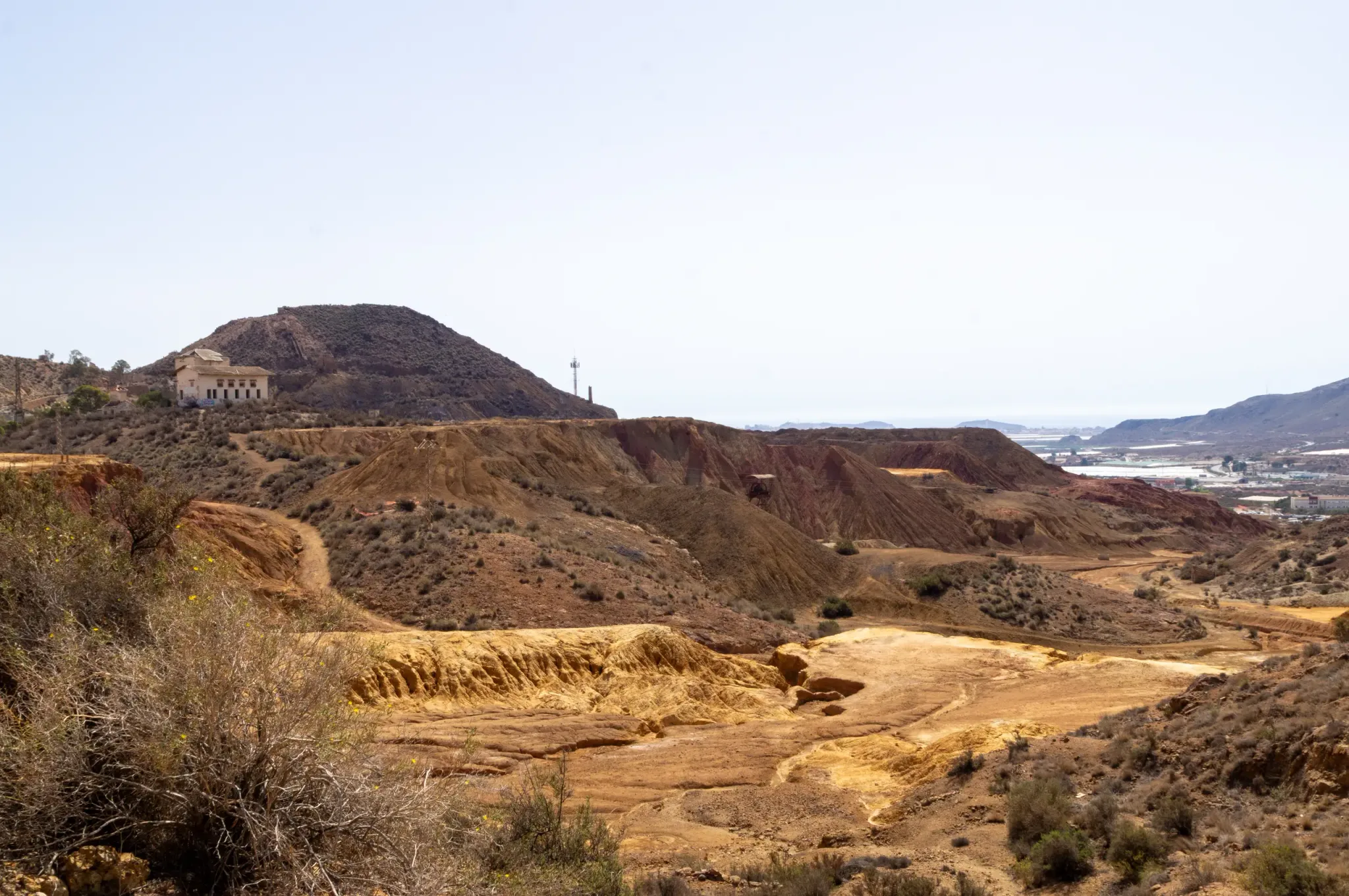
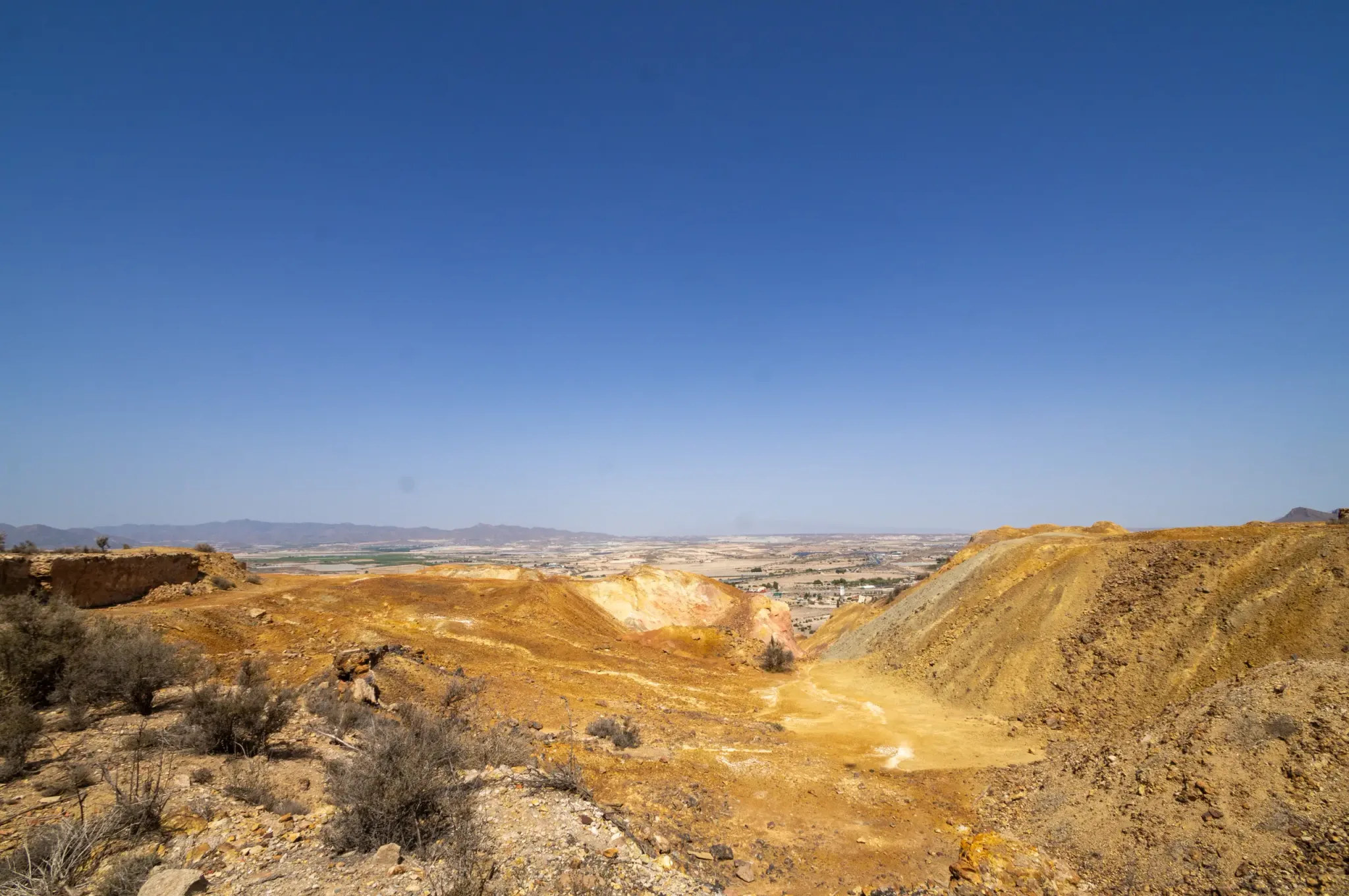
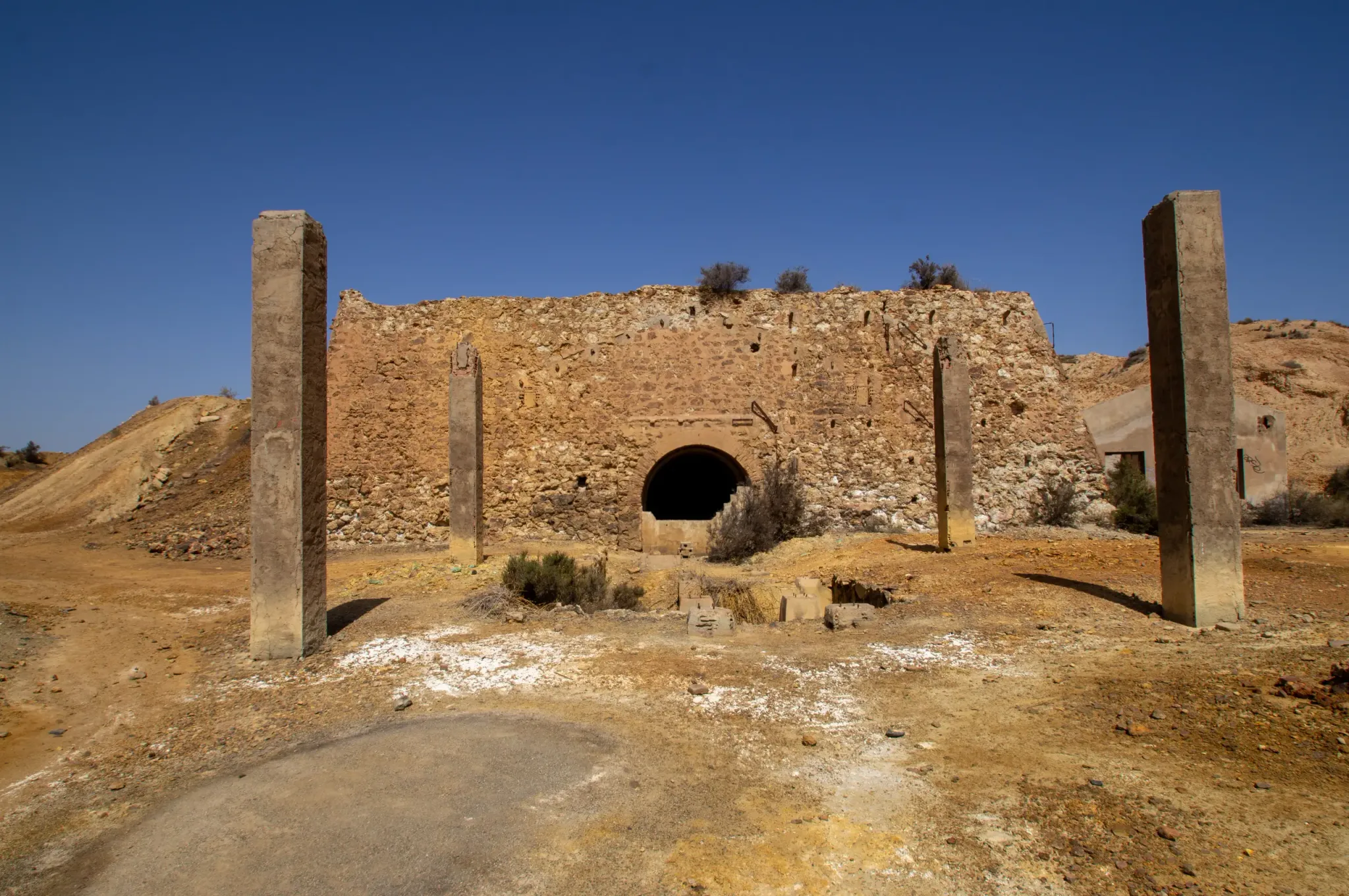
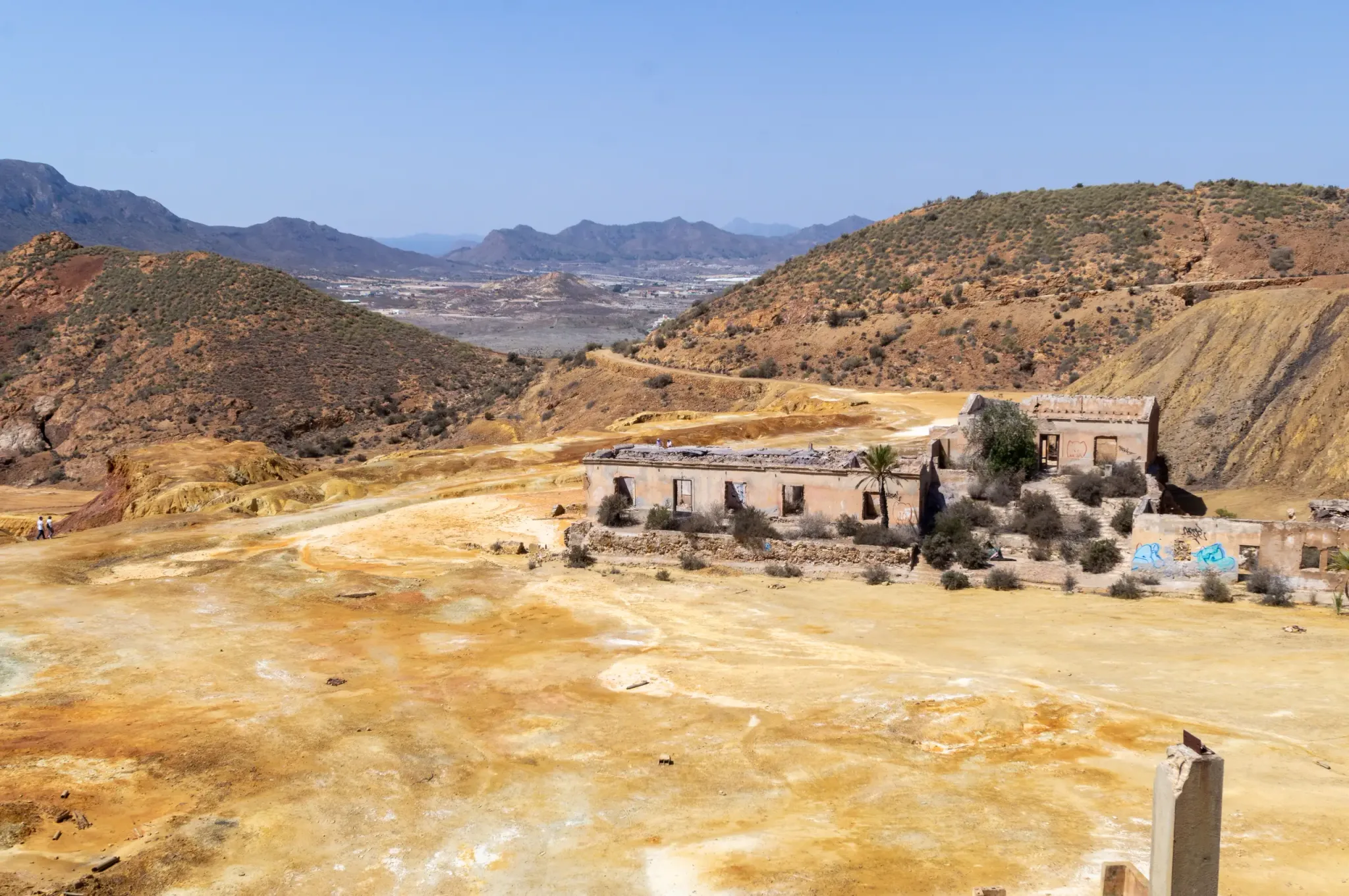
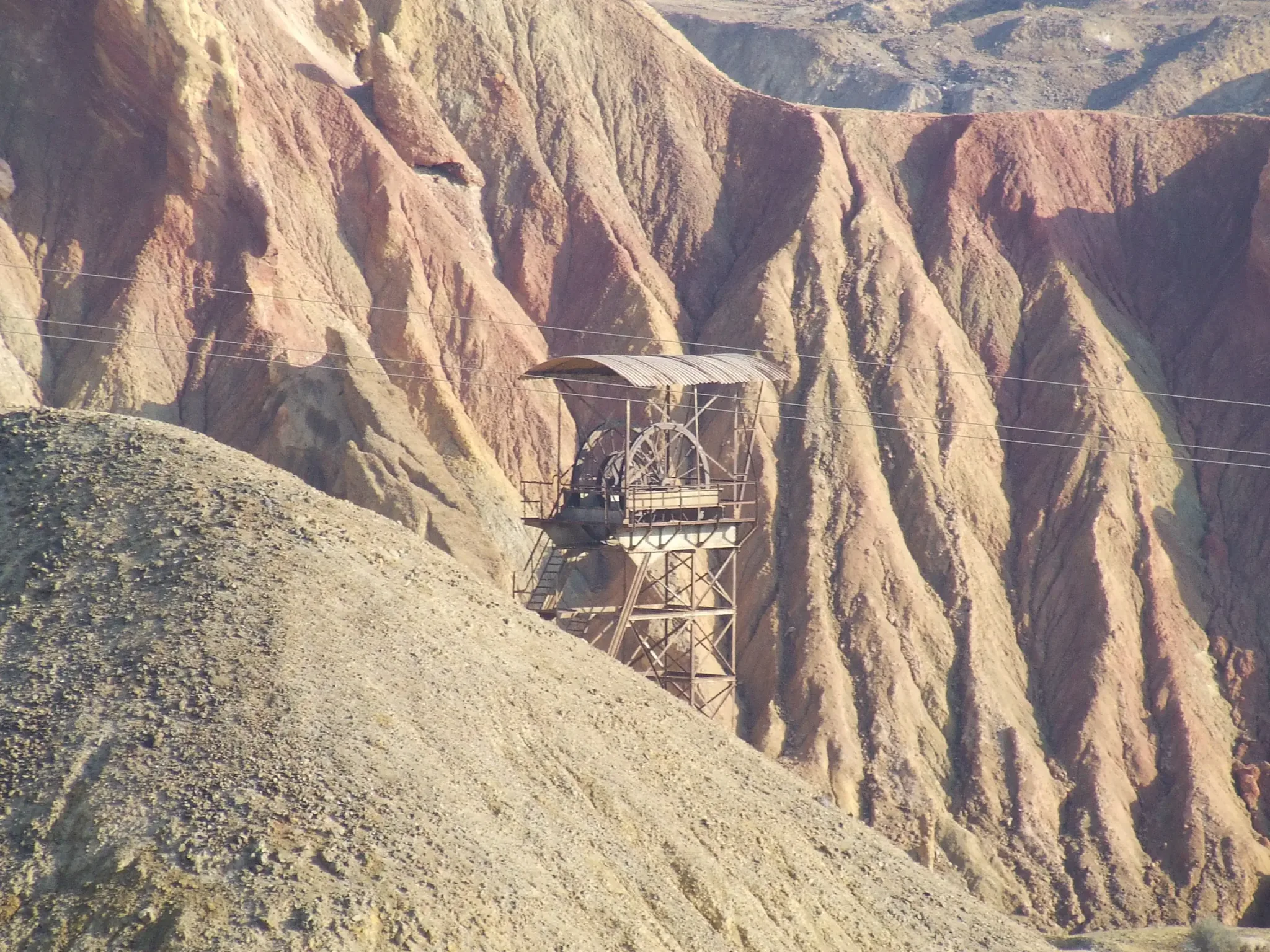
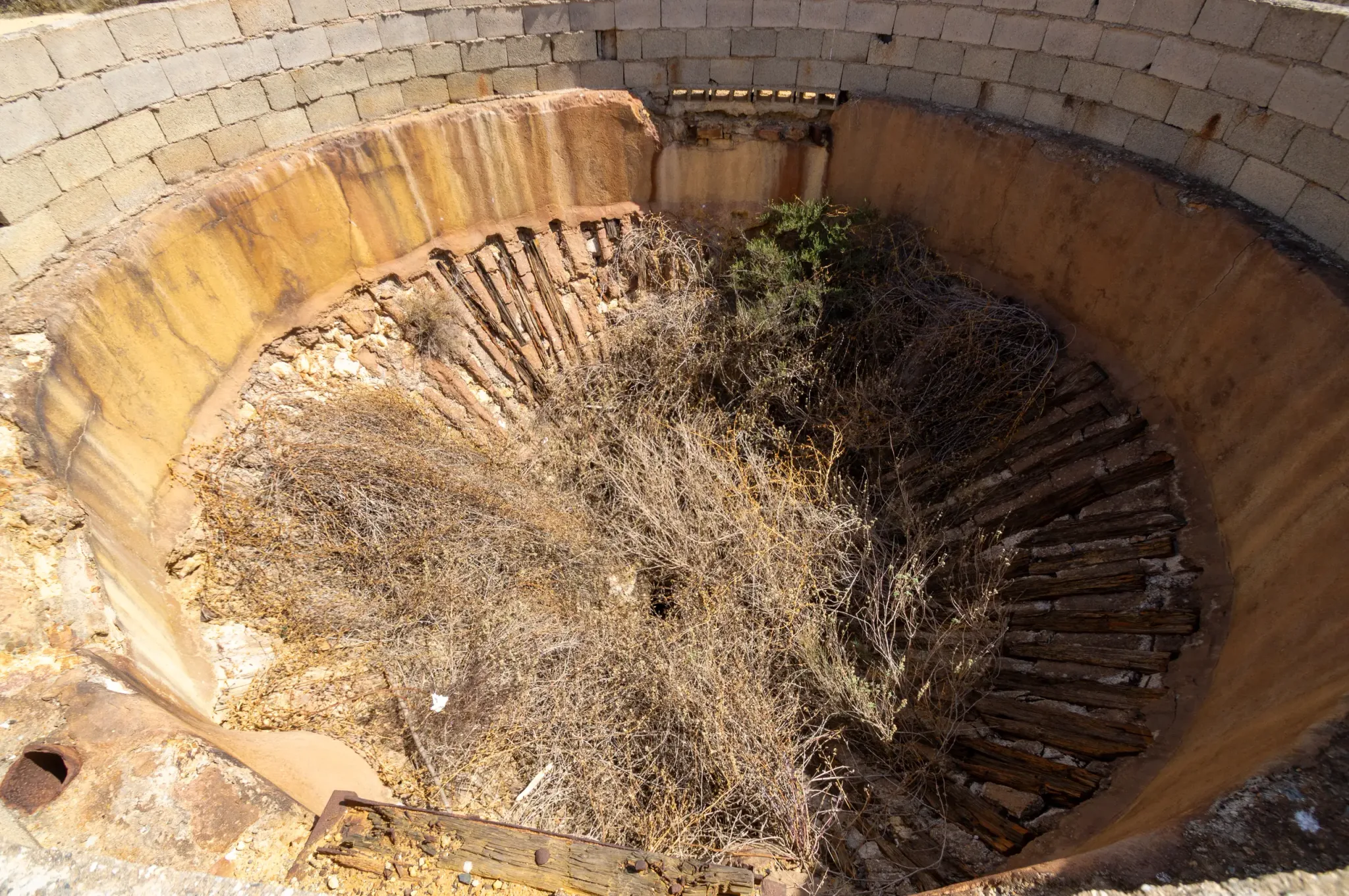
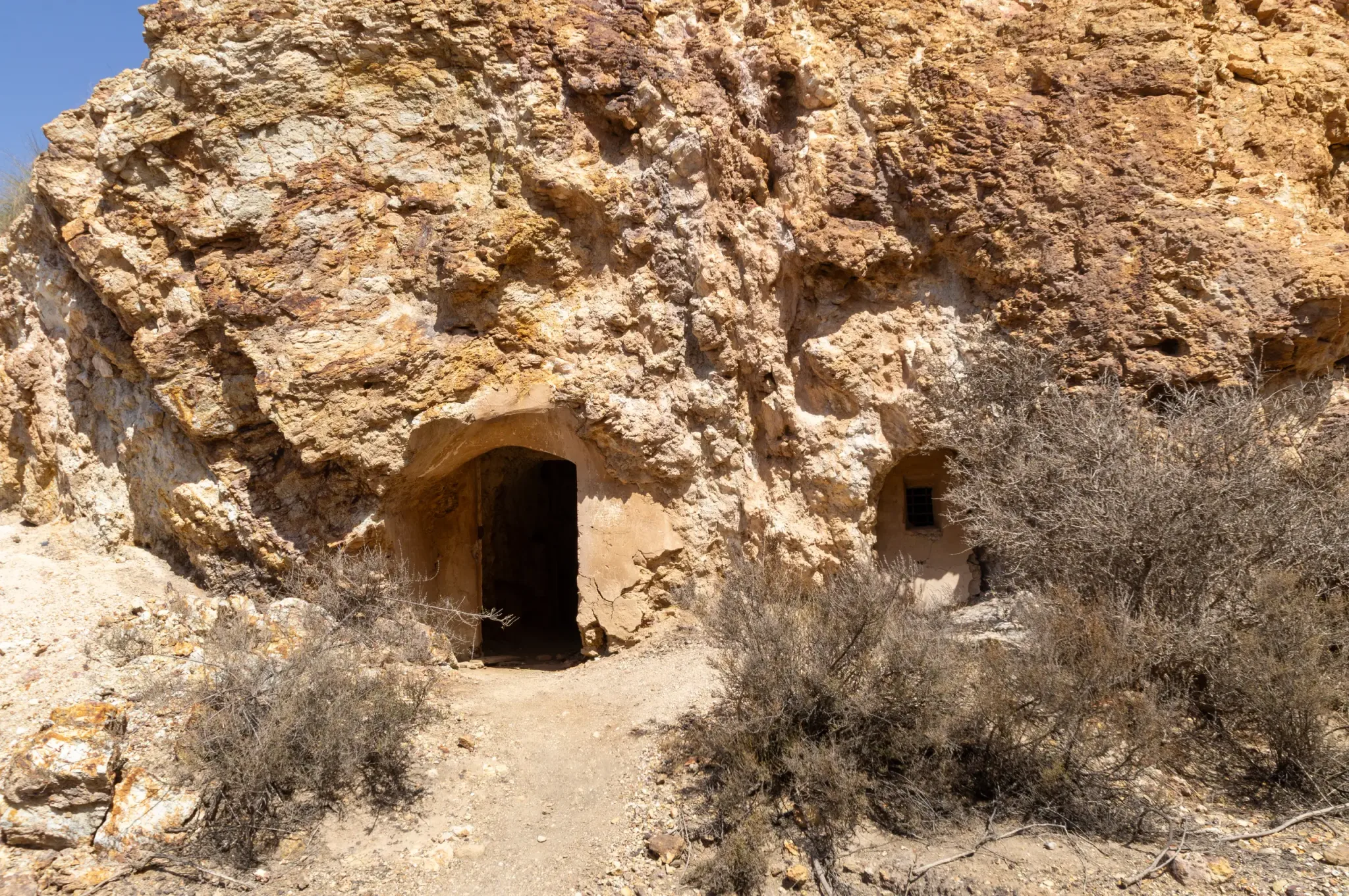
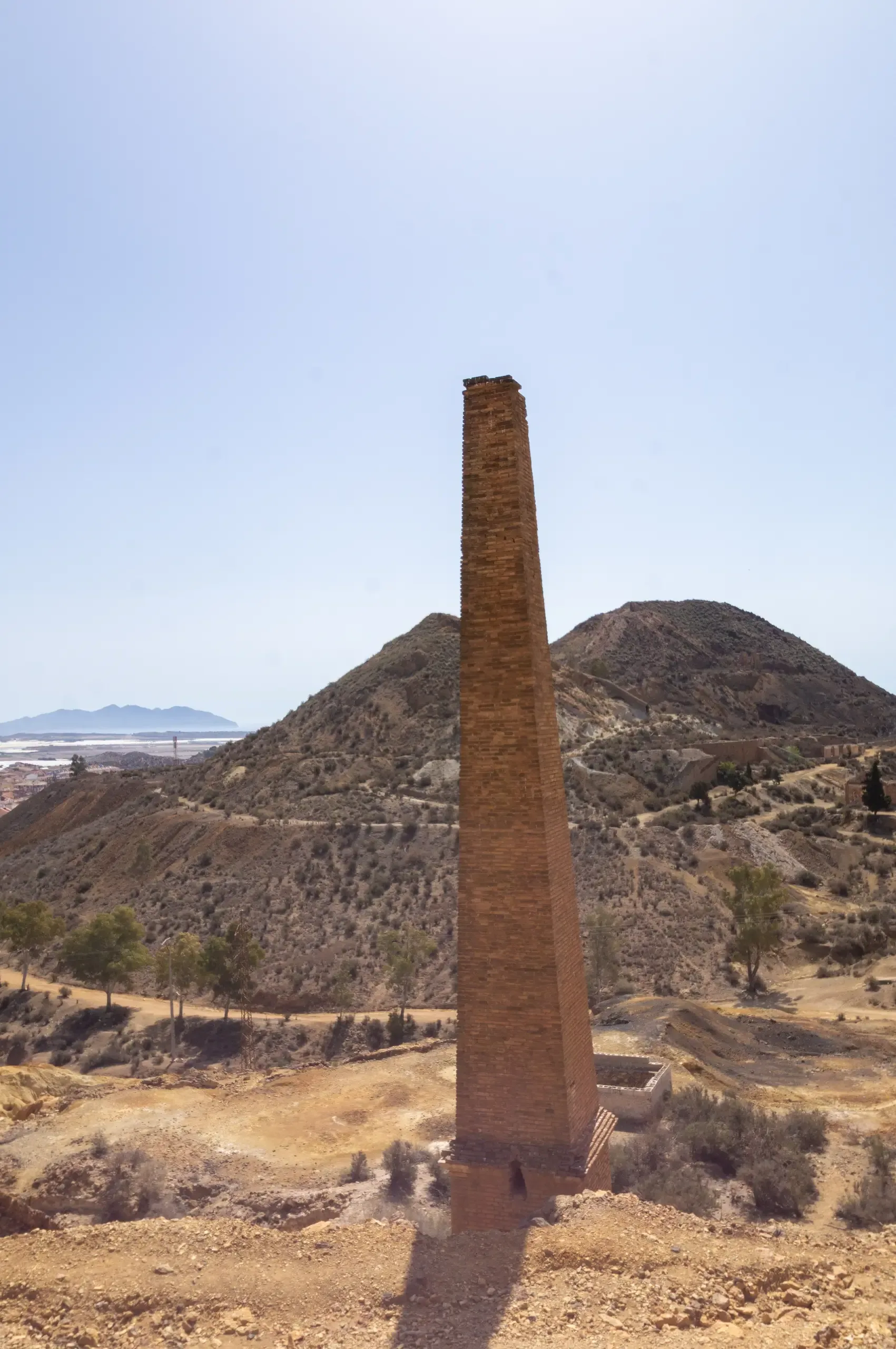
Today, the site is a large open landscape scattered with derelict houses, chimneys, mechanisms and colourful mineral-stained earth. While it attracts walkers, photographers, and those interested in industrial heritage, the site is unmaintained and can be dangerous. Many structures are unstable, and the terrain is uneven with open shafts and loose ground. Caution is essential, and proper footwear is recommended. Despite the risks, especially if you stick to the main routes, the area offers an interesting glimpse into Mazarrón’s industrial past and the variety of materials once extracted from its hills.
Two ancient Phoenician shipwrecks were discovered just off La Isla beach in Puerto de Mazarrón, one of which (Mazarrón II) was found carrying nearly three tonnes of lead ingots. Scientific analysis has confirmed that the lead likely came from the nearby Mazarrón mining district, highlighting the area’s early role in Mediterranean trade. You can learn more about these remarkable finds at the Phoenician Ship Interpretation Centre.
I would highly recommend a trip to the Museum Antonio Paredes beforehand to gather a better understanding of the mining history of Mazarron. It truly is a lovely little museum.