Murcia’s wine routes are a good way to see the region beyond its beaches and historic cities. Jumilla, Bullas and Yecla all offer inland landscapes, wine identity, heritage towns and a slower style of travel. You do not need to be a wine expert to enjoy them; they work well as cultural day trips with scenery and local character.
The key is to plan these routes properly. Wine tourism is not the same as wandering into any bodega on impulse. Opening arrangements, tastings and visits can vary, so check directly before travelling and build a relaxed route rather than a crowded schedule.
Quick answer: what are Murcia’s main wine routes?
The three main wine routes promoted in the Region of Murcia are Jumilla, Bullas and Yecla. They are useful for visitors who want vineyard landscapes, inland towns, local culture and a different perspective on Murcia away from the coast.
Why wine routes belong in a Murcia itinerary
A wine route gives structure to an inland day. Instead of driving aimlessly through the countryside, you can focus on a town, surrounding landscapes and one or two planned stops. The result is a trip that feels connected to place rather than just transport.
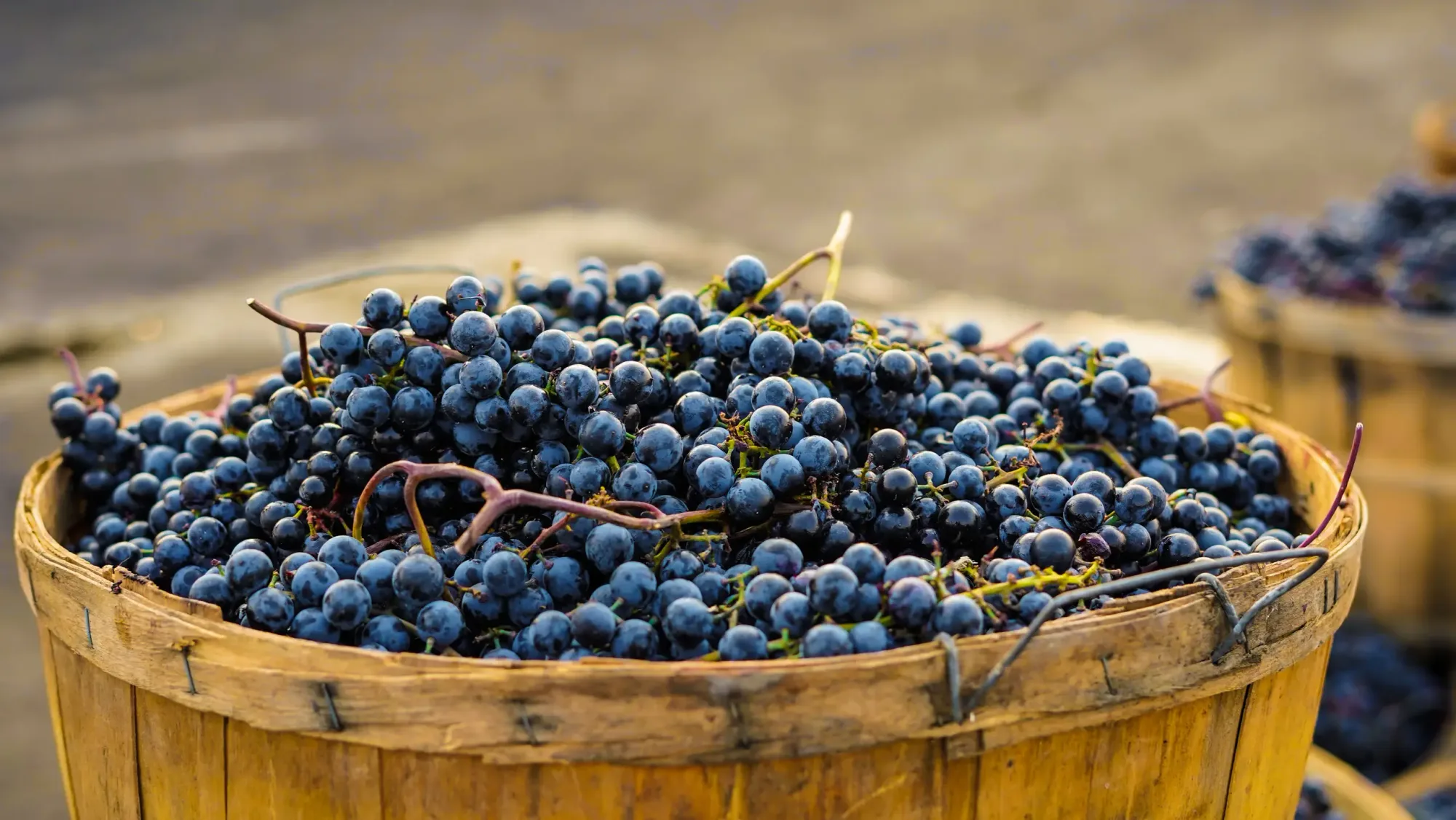
Murcia’s wine areas also help explain the region’s agricultural identity. The landscape, climate and grape varieties are part of the story, especially around Monastrell, a grape closely associated with south-eastern Spain.
Jumilla: big landscapes and Monastrell identity
Jumilla is probably the best-known Murcia wine name for many visitors. It is associated with broad inland landscapes, historic streets and Monastrell country. A day here works well if you enjoy open scenery, a town-centre wander and the idea of pairing wine culture with heritage rather than treating it only as a tasting trip.
Bullas: smaller-scale and northwest character
Bullas has a different feel: smaller, greener in places, and useful for combining with northwest Murcia. It can pair well with Caravaca de la Cruz if you are careful not to overload the day. Bullas is a good choice for visitors who want a less obvious inland stop.
Yecla: northern Murcia and a strong wine identity
Yecla sits in the north of the region and has its own wine identity and inland setting. It is best suited to travellers who actively want a wine-route day rather than a quick detour from the coast. The reward is a clearer sense of Murcia’s northern landscapes and local culture.
How to plan a wine day without overdoing it
- Choose one wine town as the main focus.
- Book or check any winery visit directly in advance.
- Allow time to walk the town, not just drive between stops.
- Use a designated driver or arranged transport if tasting is involved.
- Avoid combining too many wine areas in one day.
Best season for Murcia wine routes
Spring and autumn are often the easiest seasons for inland travel. Summer can be hot, especially away from the coast, so plan carefully. Winter can also work well for a quieter cultural day if you are more interested in towns and scenery than vineyard colour.
Who should add a wine route?
Add a wine route if your Murcia trip already includes a city, a beach day and a heritage stop, and you want a different inland experience. It is especially good for couples, small groups and independent travellers with a car.
For broader planning, read How to Get Around Murcia: Car, Train and Bus Tips and Best Time to Visit Murcia: A Seasonal Guide. Travellers collecting a vehicle after landing can compare car hire at Murcia Airport before building the inland route.
Which wine route should you choose?
Choose Jumilla if you want the most recognisable Murcia wine name and wide inland landscapes. Choose Bullas if you want a smaller-feeling route that can pair well with northwest heritage towns. Choose Yecla if you are interested in northern Murcia and a strong local wine identity away from the coast.
If you are not sure, pick the route that fits your wider itinerary rather than the one that sounds most famous. A wine day works best when the travel time, town visit and any planned bodega stop all fit comfortably.
What to expect if you are not a wine expert
You do not need specialist knowledge to enjoy Murcia’s wine areas. For many visitors, the appeal is the combination of landscape, town centres and local culture. You can still enjoy the route by visiting a wine town, learning the basic regional context and choosing one carefully checked stop.
Keep the language simple when planning: vineyard scenery, inland towns, Monastrell, bodegas and local heritage. That is enough for most tourists to understand why these routes belong in the wider Murcia travel picture.
Safety and practical planning
If tastings are part of the day, transport matters. Use a designated driver, pre-arranged transport or a tour-style option where available. Do not rely on being able to drive between multiple tasting stops casually. Also avoid assuming that wineries are open for walk-ins; contact them directly or use official tourism information before travelling.
For a first wine-route day, one town plus one planned wine-related visit is usually better than three rushed towns and no time to enjoy any of them.