Murcia City is often the place visitors pass through on the way to the coast, but it deserves more than a quick glance. The centre is compact, elegant and easy to explore on foot, with a mix of Baroque architecture, palm-lined squares, historic shopping streets, river walks, gardens and museums. It is a particularly good choice if you want a city break that feels warm, local and manageable rather than overwhelming.
The best way to experience Murcia City is not to rush from monument to monument. Pick a few major sights, leave time for wandering, and use the old centre as a sequence of plazas, lanes and shaded corners. This guide focuses on the highlights most useful to first-time visitors, while keeping the route realistic for a half day or full day in the city.
Quick answer: what should you not miss in Murcia City?
For a first visit, prioritise Murcia Cathedral and Plaza Cardenal Belluga, the Real Casino de Murcia, the streets of Traperia and Plateria, Plaza de las Flores, the Segura river, Floridablanca Garden and one museum if you have time. These sights give you the best introduction to the city’s architecture, atmosphere and everyday rhythm.
Start at Plaza Cardenal Belluga
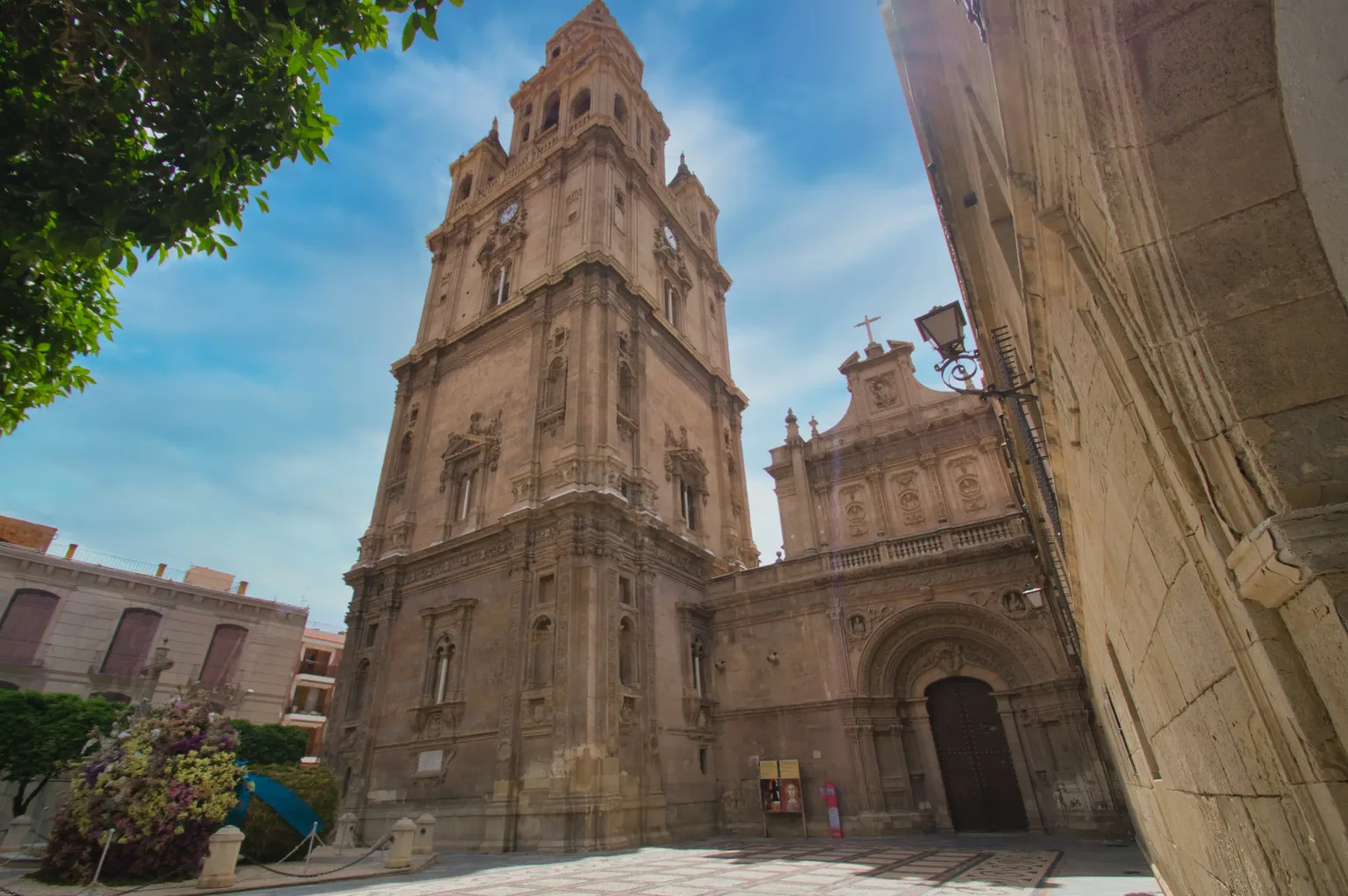
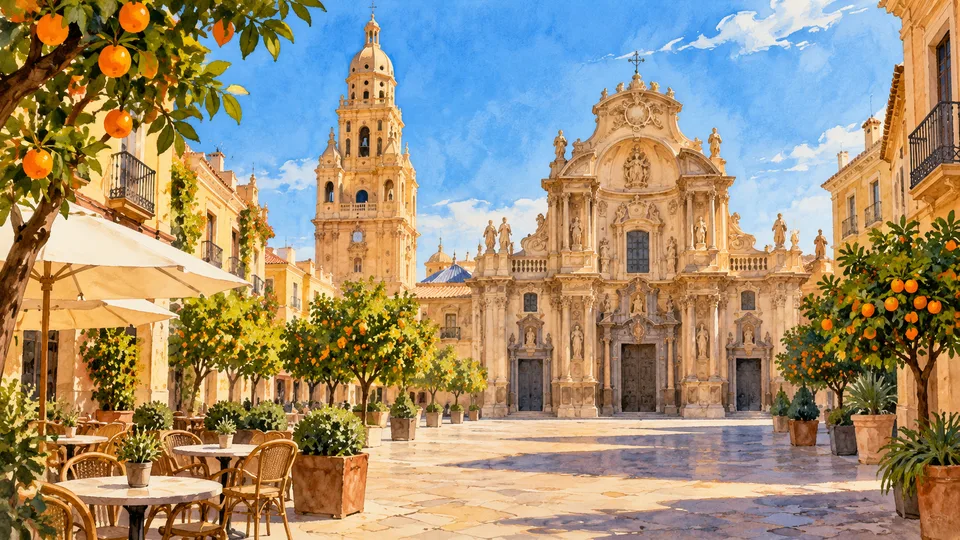
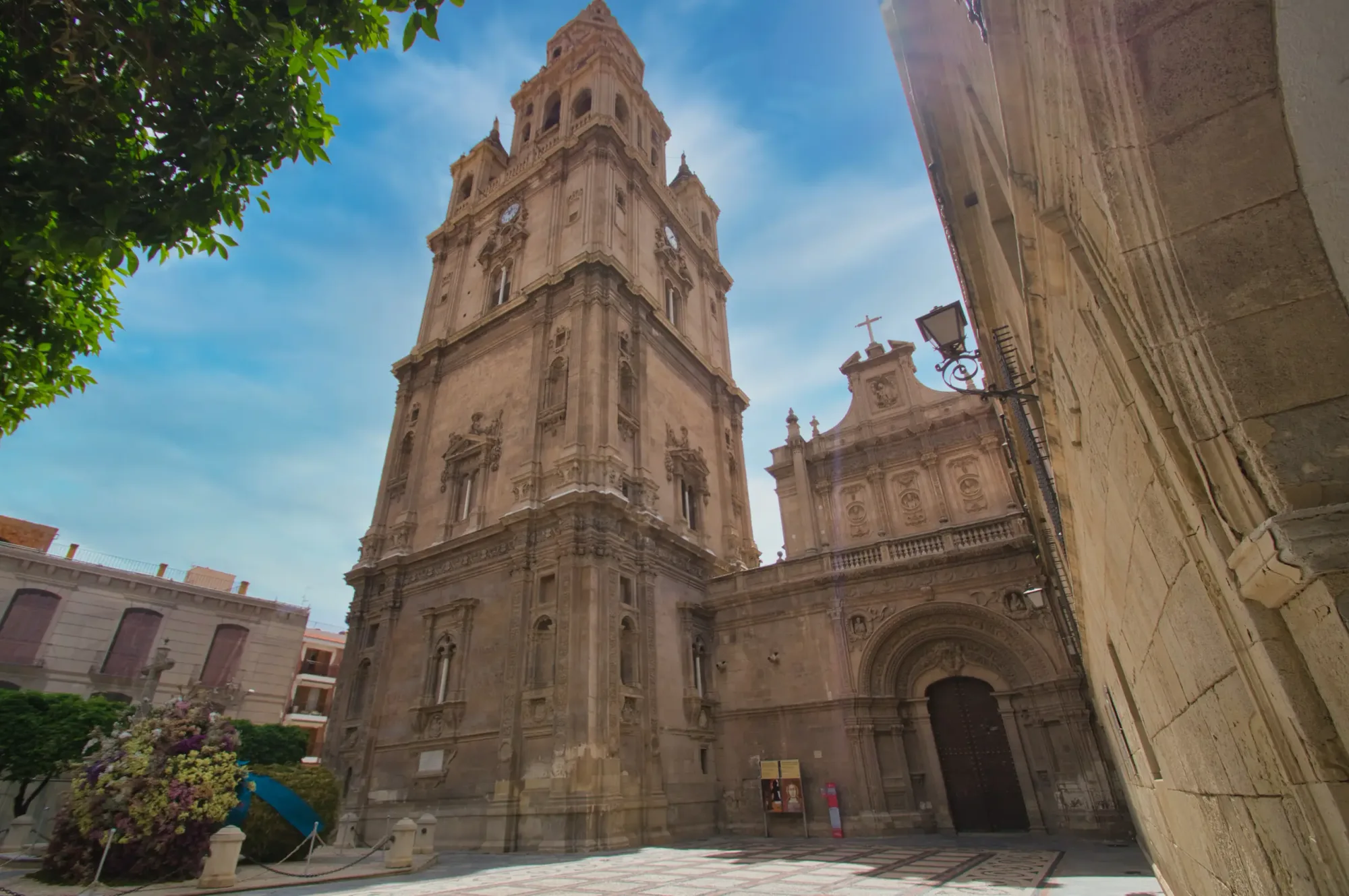
Plaza Cardenal Belluga is the obvious starting point because it brings several of Murcia’s strongest visual landmarks into one place. The square is framed by Murcia Cathedral, the Episcopal Palace and modern civic architecture, creating a contrast that sums up the city well: historic, formal, sunlit and still very much lived in.
Murcia Cathedral is the main landmark. Its facade is the part most visitors remember first, but it is worth taking time to notice the different architectural layers around the building. The Cathedral has been shaped across centuries, which is why it does not feel like a single-period monument. Even if you only view it from outside, it gives the city a strong sense of identity.
Walk Traperia and Plateria
From the Cathedral, walk into Traperia and Plateria. These are two of the classic central streets and a useful way to understand Murcia’s old town. They are not long, but they connect the city’s formal sights with its more everyday side: shops, balconies, side streets, small squares and people moving between errands, meetings and evening strolls.
This part of the city rewards slow walking. Look down the side streets rather than staying on one straight route. Murcia’s centre is not difficult to navigate, and getting slightly distracted is part of the experience.
Step inside the Real Casino de Murcia

The Real Casino is one of the city’s most distinctive interiors and a useful contrast to the Cathedral. It sits on Traperia, so it is easy to include without changing your route. The building is known for its ornate rooms and its blend of styles, and it gives visitors a glimpse of Murcia’s 19th-century civic and social life.
If you enjoy architecture, this is one of the best places in the city to slow down. It is not just a “tick it off” sight; the appeal is in the detail, the decorative atmosphere and the change of mood after the open square outside.
Use Plaza de las Flores as a pause point
Plaza de las Flores is one of Murcia’s most pleasant central spaces. It works well as a pause between sightseeing stops because it feels more relaxed and social than monumental. The surrounding lanes are also good for a gentle wander before you head towards the river or a museum.
This is the kind of place that helps a city guide feel less like a checklist. Stop, sit for a moment if you want, and let the centre feel like a real place rather than a sequence of attractions.
Walk by the Segura river
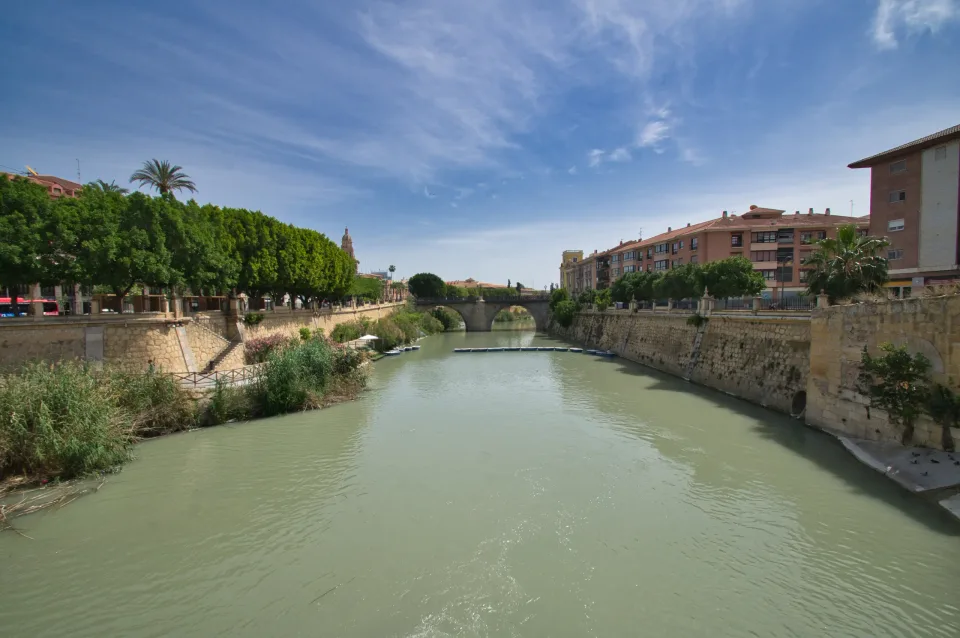
The Segura river gives Murcia a useful change of pace. The riverfront is not the city’s most dramatic sight, but it helps you see a softer side of the centre and links naturally with the Puente de los Peligros, also known as the Old Bridge. If you have been moving through narrow streets and busy plazas, the river gives the day a little breathing room.
Cross to Floridablanca Garden
Floridablanca Garden, in the Carmen district, is a good choice when you want shade and greenery. It also encourages visitors to cross the river rather than staying only around the Cathedral. This makes the city feel broader and more balanced, especially if you are spending a full day rather than just a morning in Murcia.
Add a museum if your pace allows
Murcia has several museums worth considering, but you do not need to visit all of them in one day. The Salzillo Museum is useful for understanding one of the city’s most important artistic figures and its religious sculpture tradition. The Fine Arts Museum and Archaeological Museum are good alternatives depending on whether your interest leans towards art, history or local heritage.
For most visitors, one museum is enough on a first city day. Choose the one that matches your interests rather than trying to cover everything.
A realistic first-time route
- Begin at Plaza Cardenal Belluga and Murcia Cathedral.
- Walk Traperia and Plateria towards the Real Casino.
- Loop through Plaza de las Flores and nearby streets.
- Head towards the Segura river and Puente de los Peligros.
- Cross to Floridablanca Garden if you want a quieter pause.
- Add one museum if you have enough time and energy.
How long do you need?
A half day is enough for the Cathedral area, the Real Casino, the main streets and a short river walk. A full day lets you slow down, add a museum, cross to Floridablanca Garden and enjoy the centre without turning the visit into a race.
If you are planning a wider regional trip, pair Murcia City with Best Time to Visit Murcia: A Seasonal Guide and How to Get Around Murcia: Car, Train and Bus Tips.