


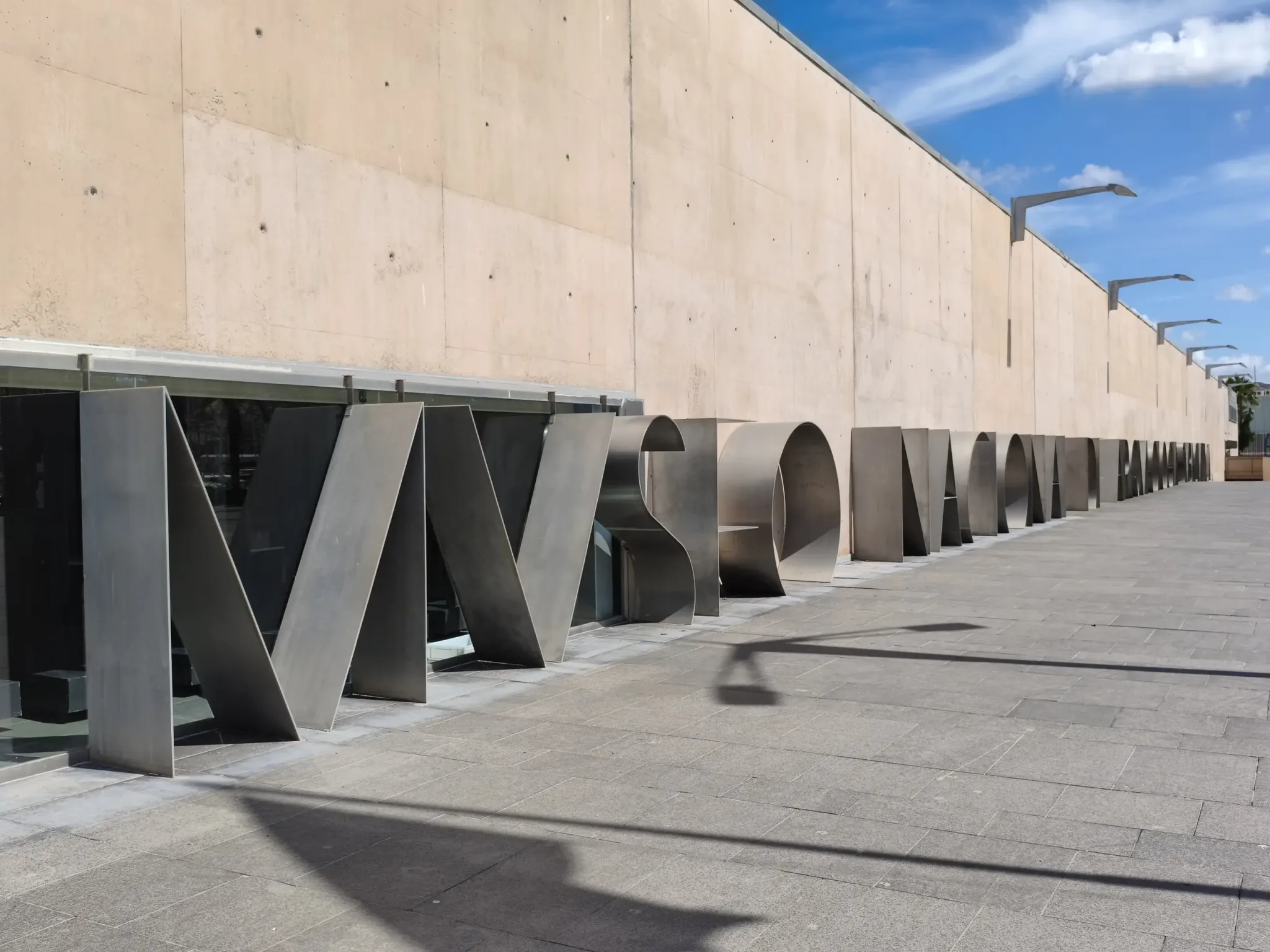
National Museum of Underwater Archaeology (ARQVA)
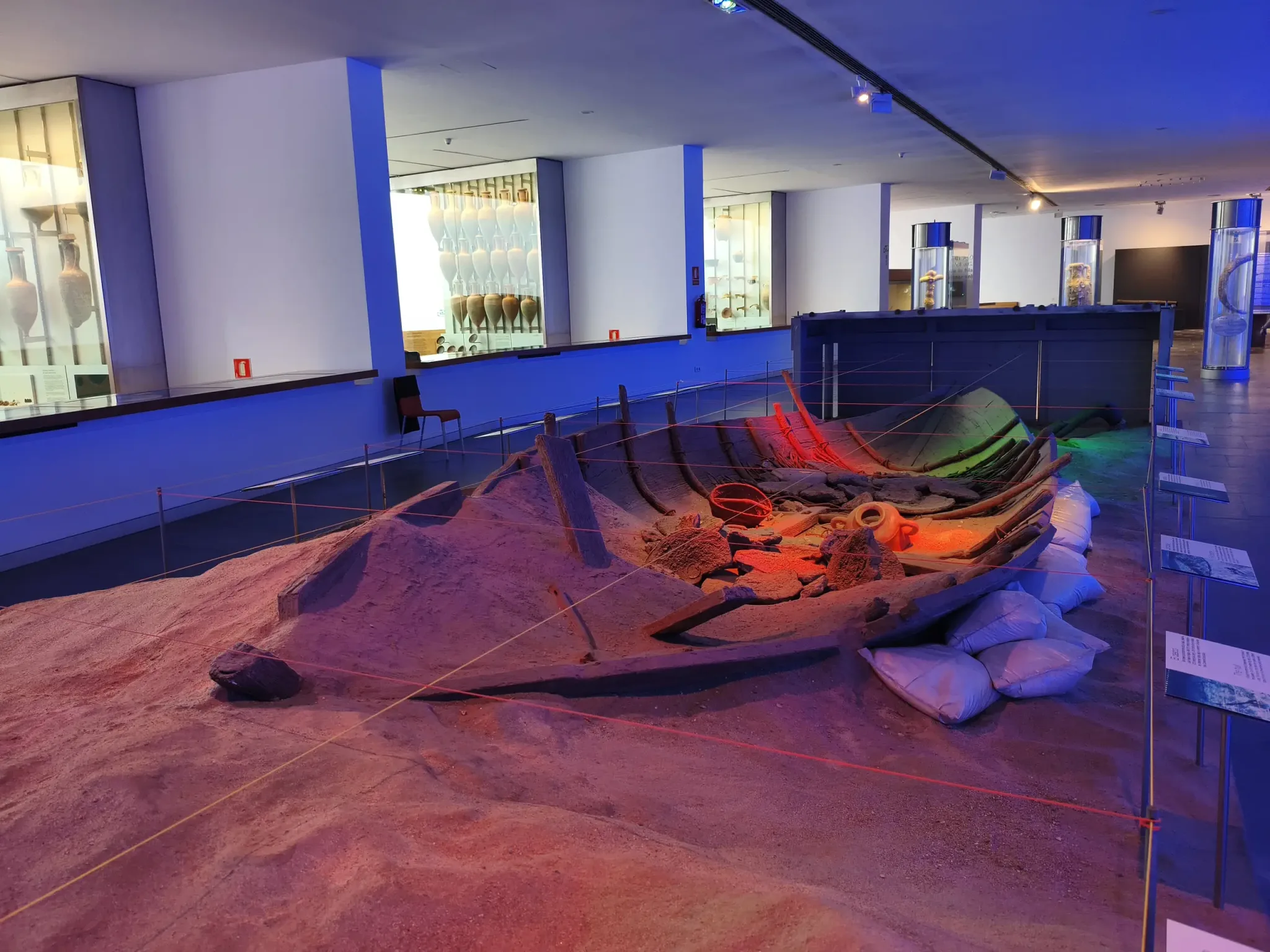
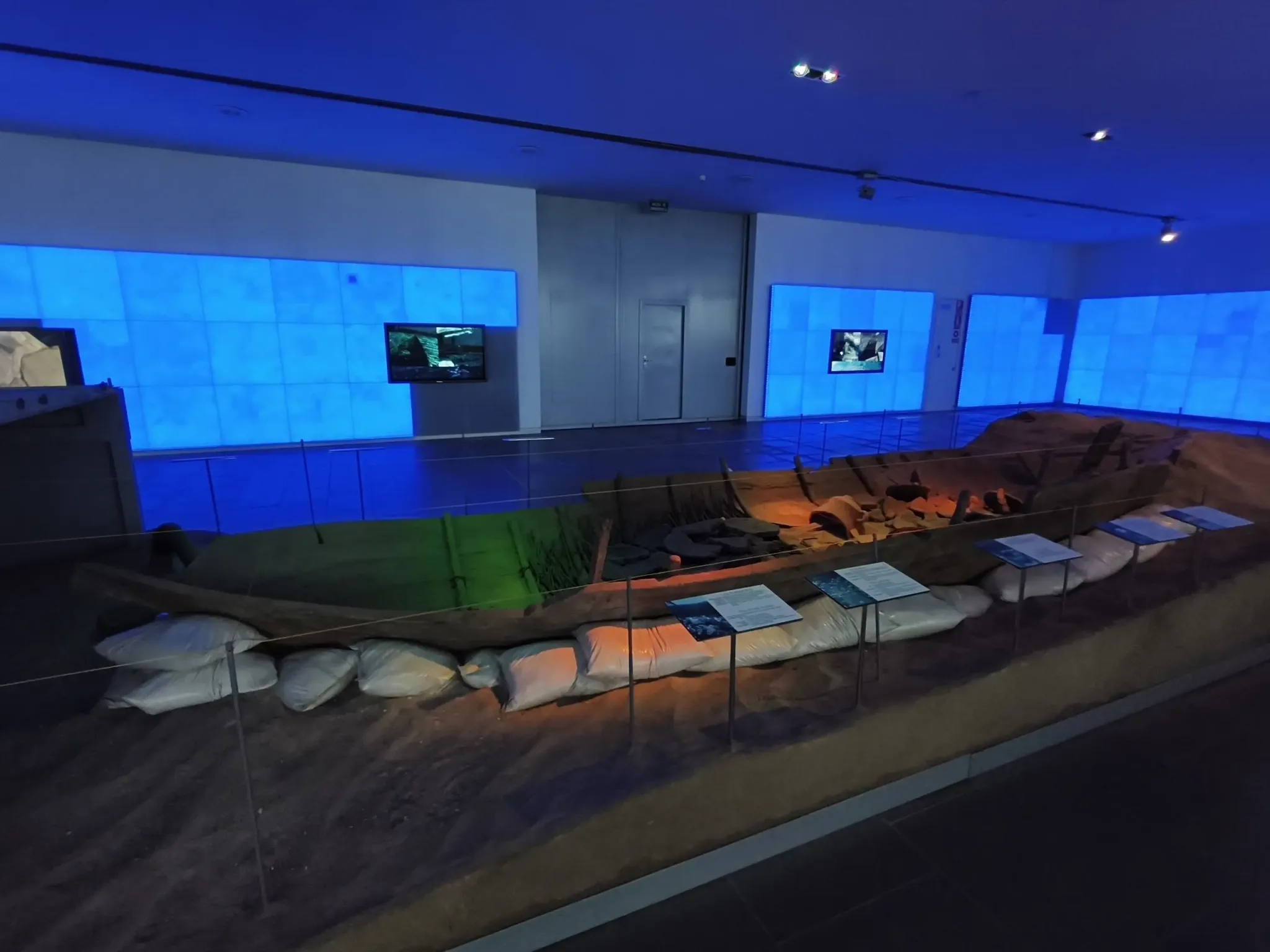
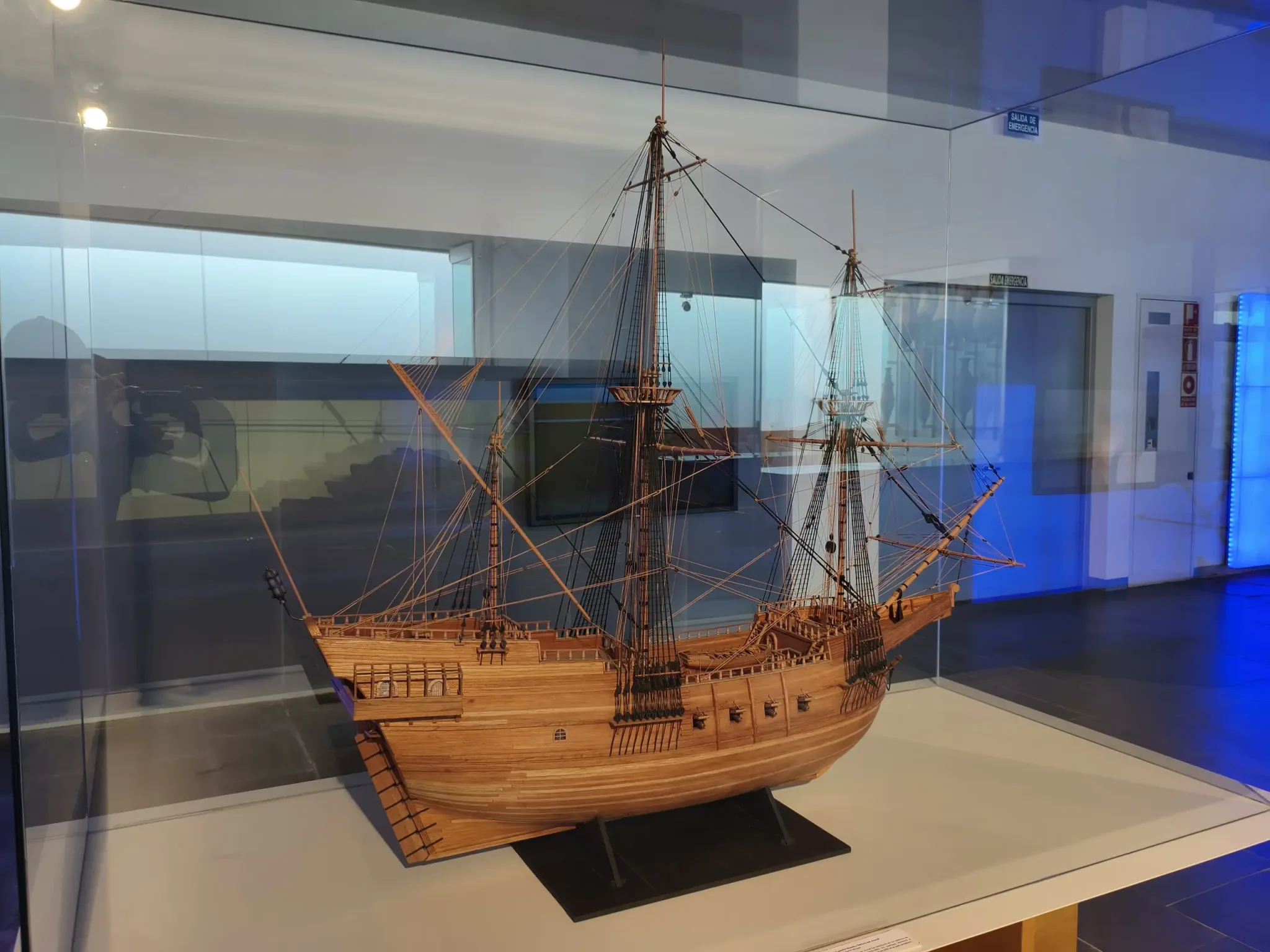
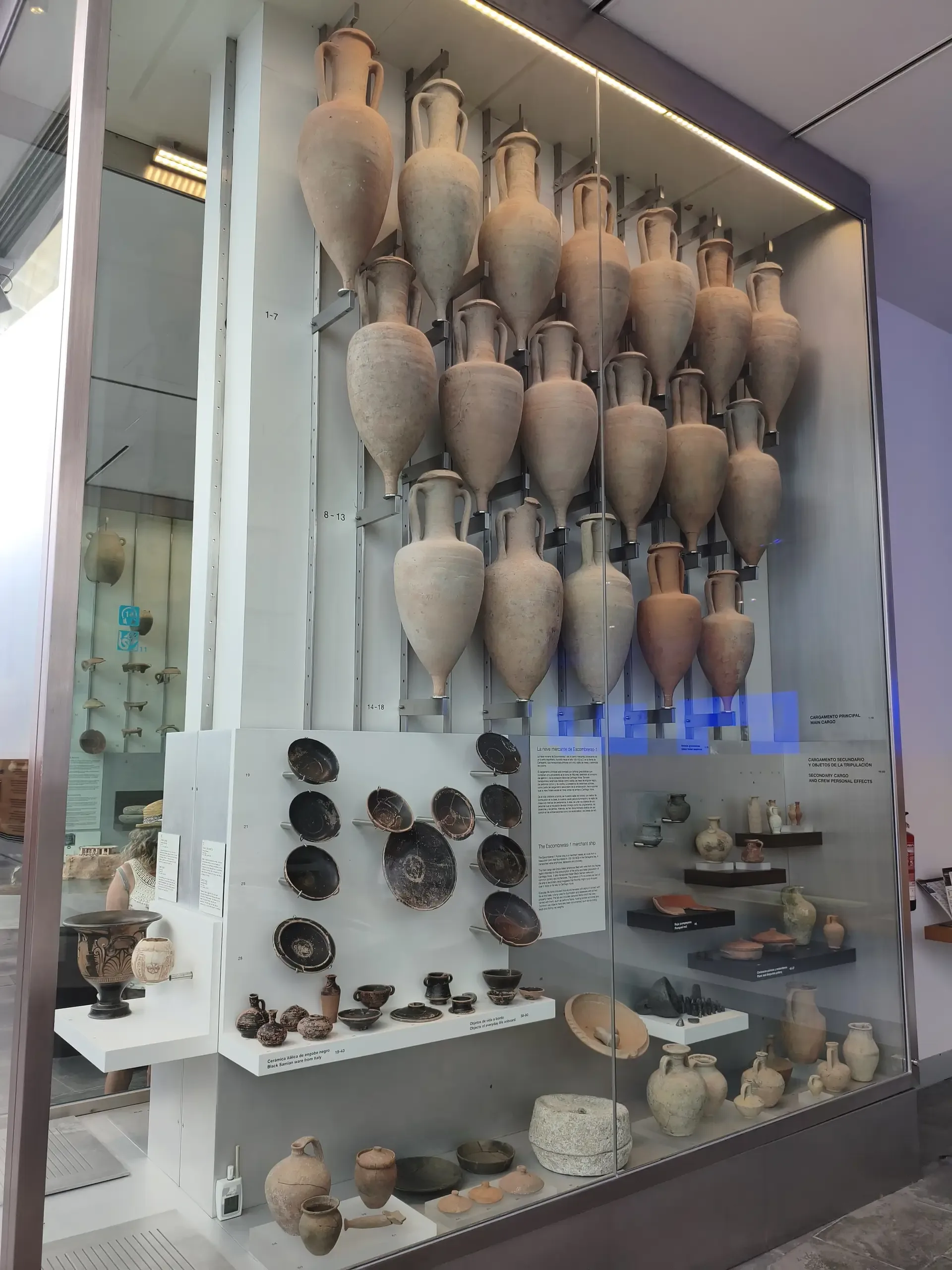
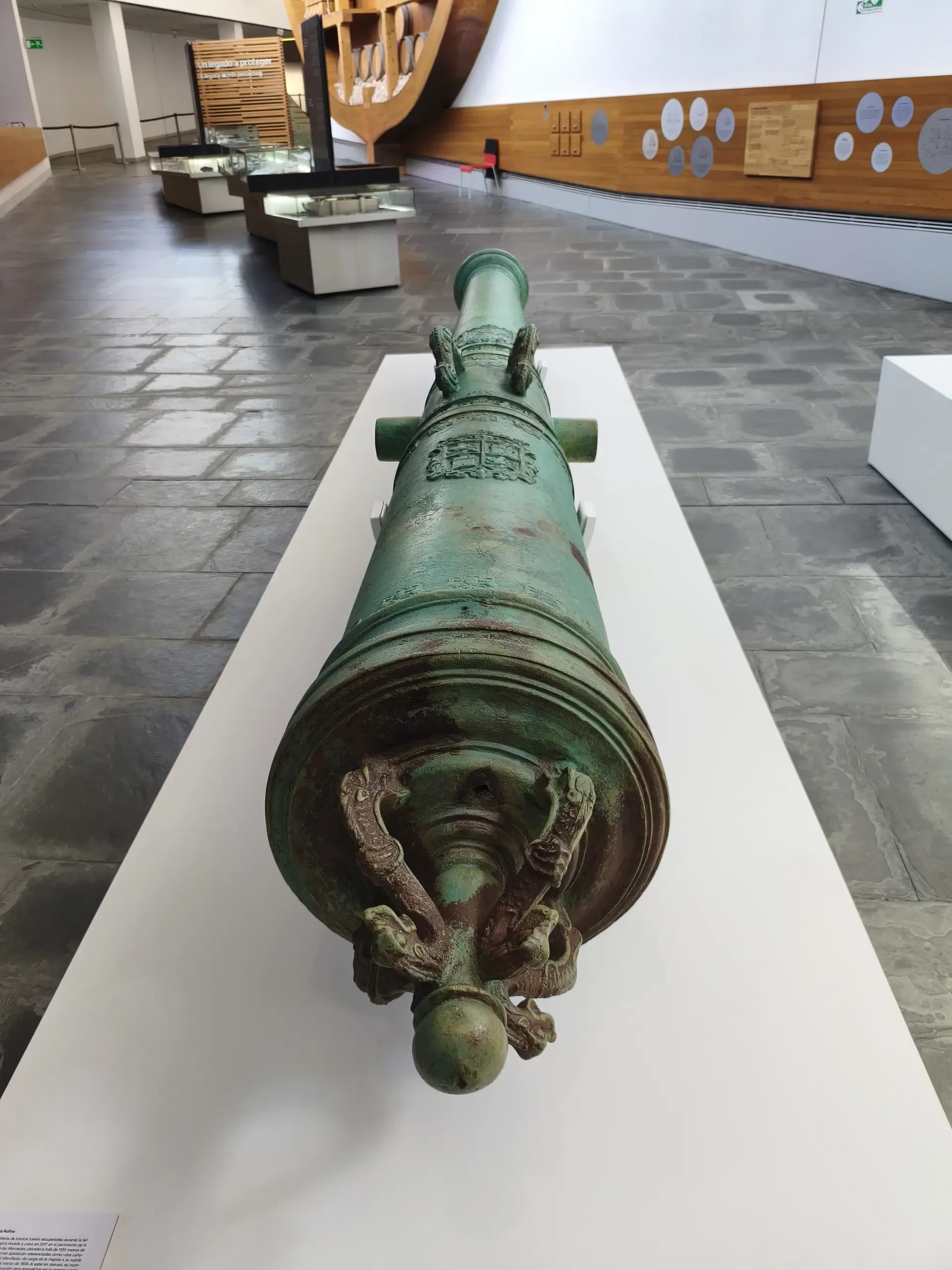
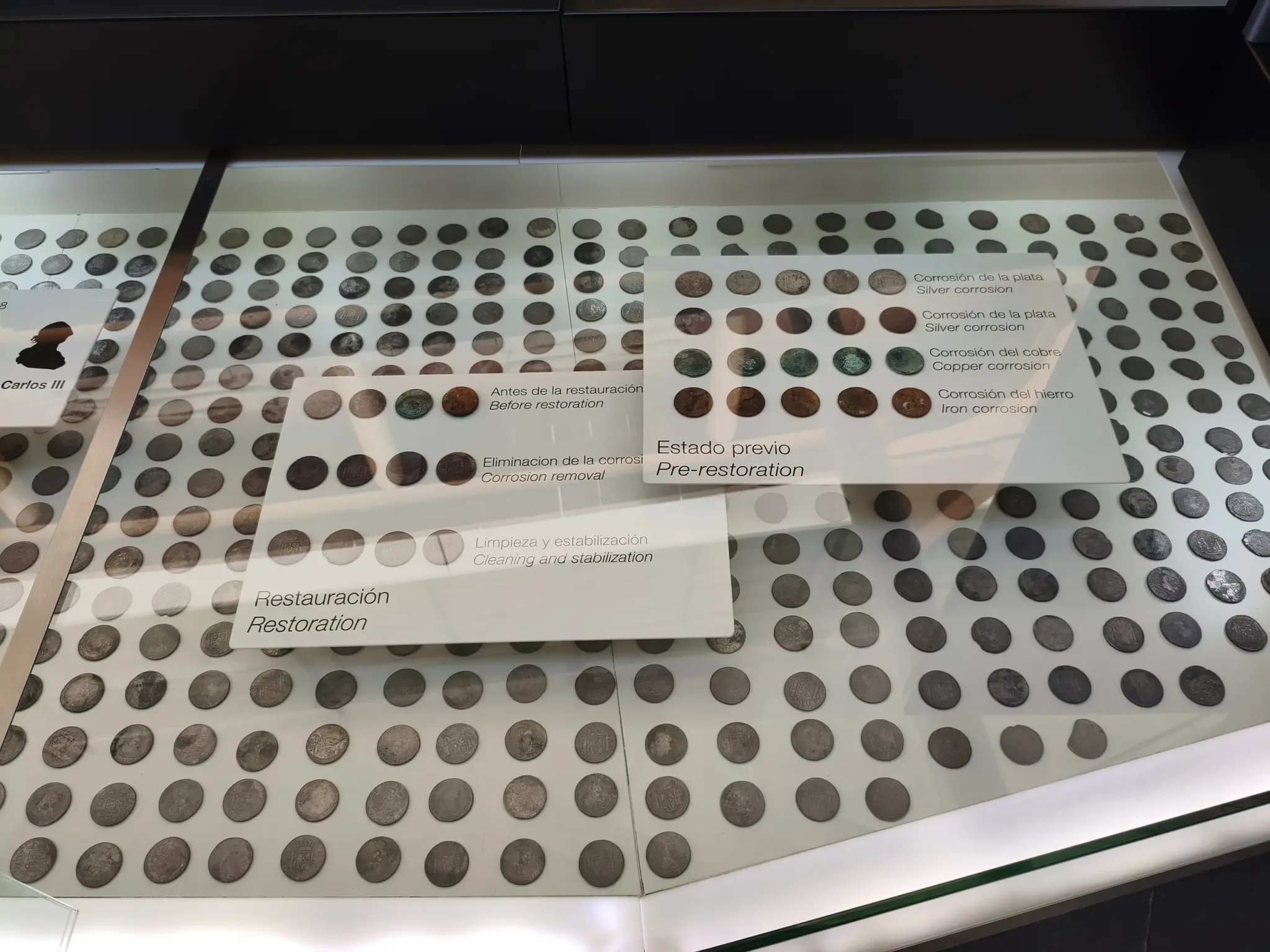
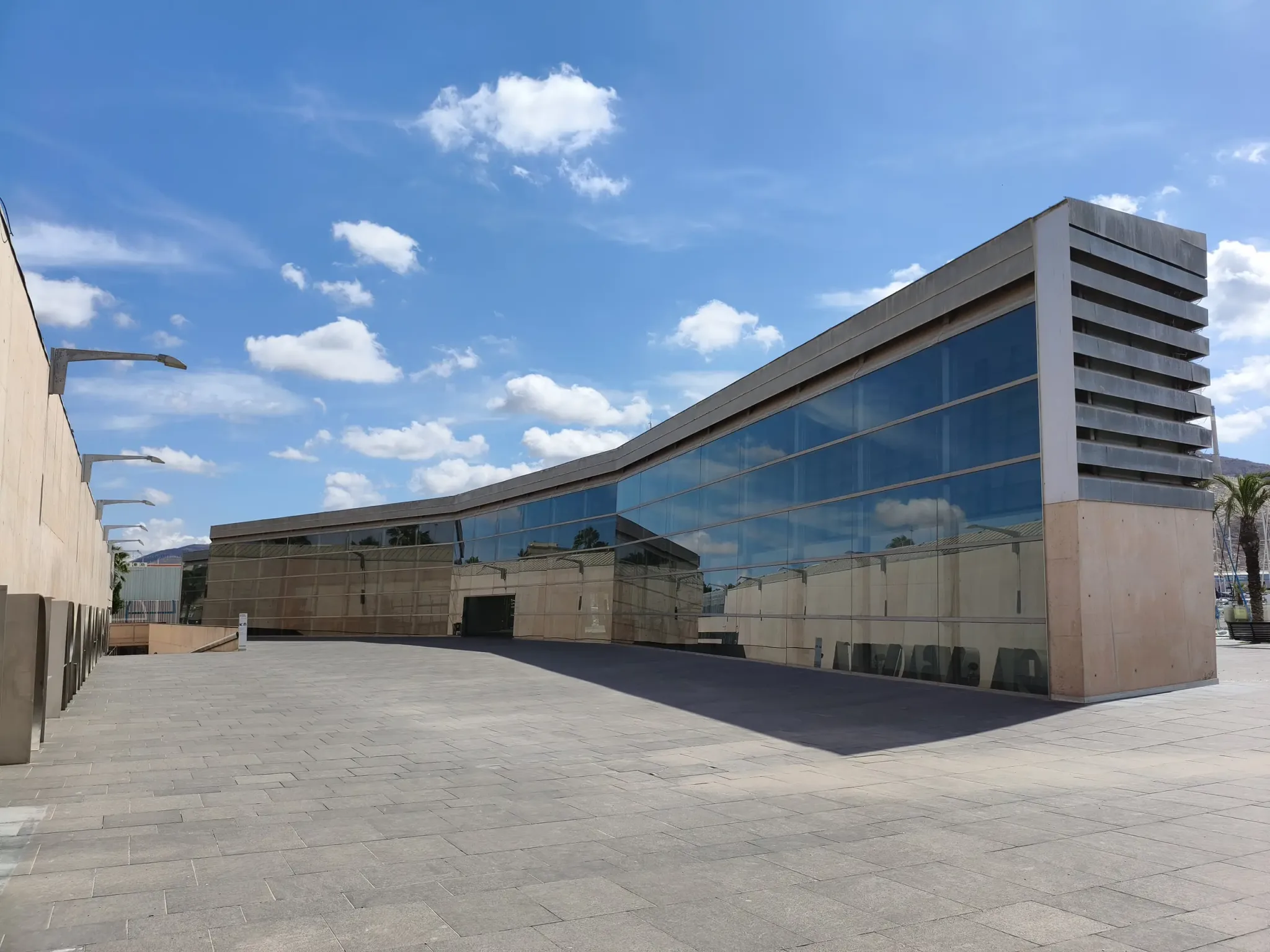
ARQVA is Spain’s national museum for underwater archaeology, set beside Cartagena’s harbour. Its permanent exhibition explains how maritime archaeologists locate, excavate, conserve and interpret material recovered from underwater sites. Displays range from amphorae, coins and ship fittings to models and surviving wooden structures, giving the objects a clear archaeological and seafaring context.
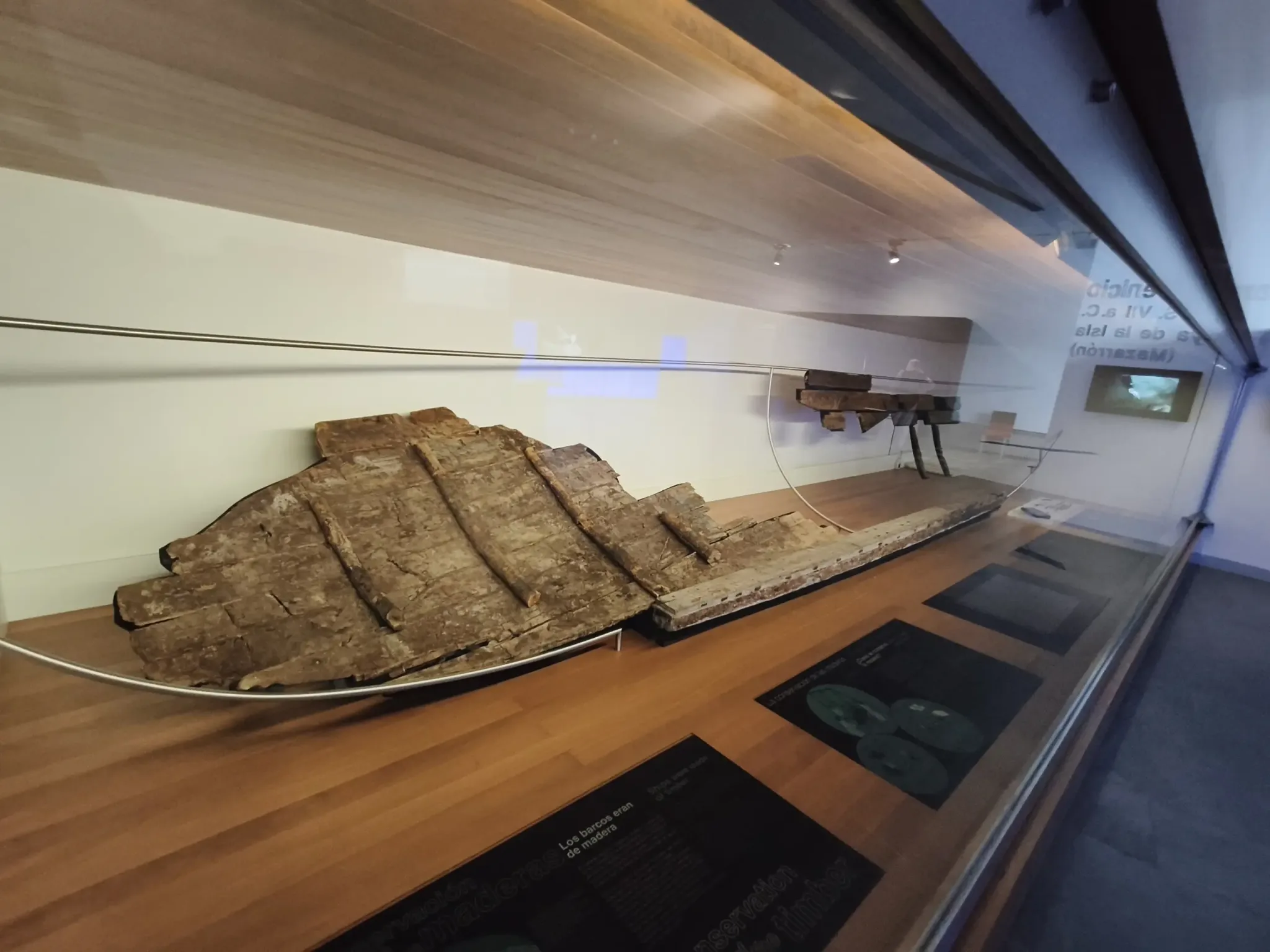
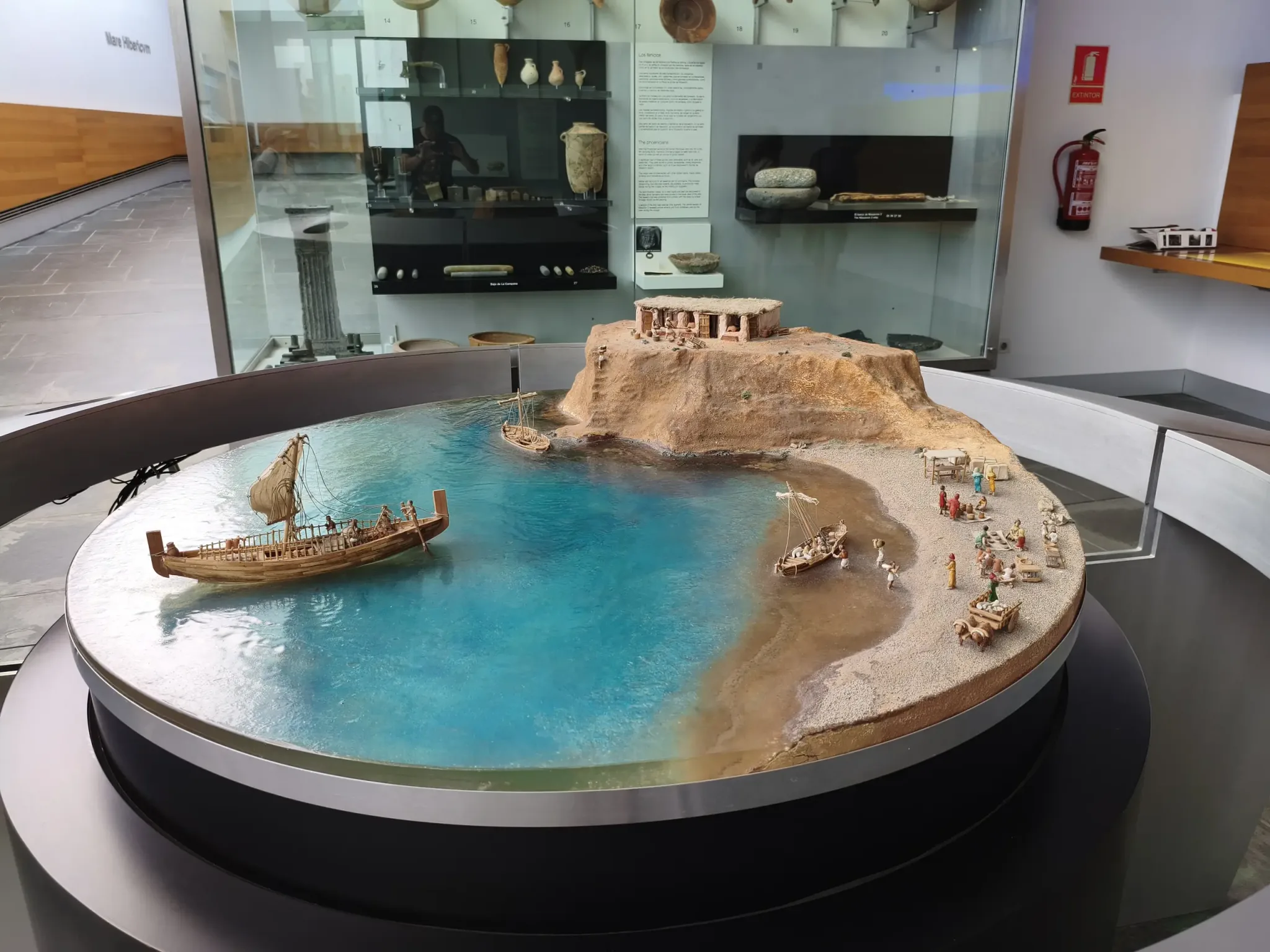
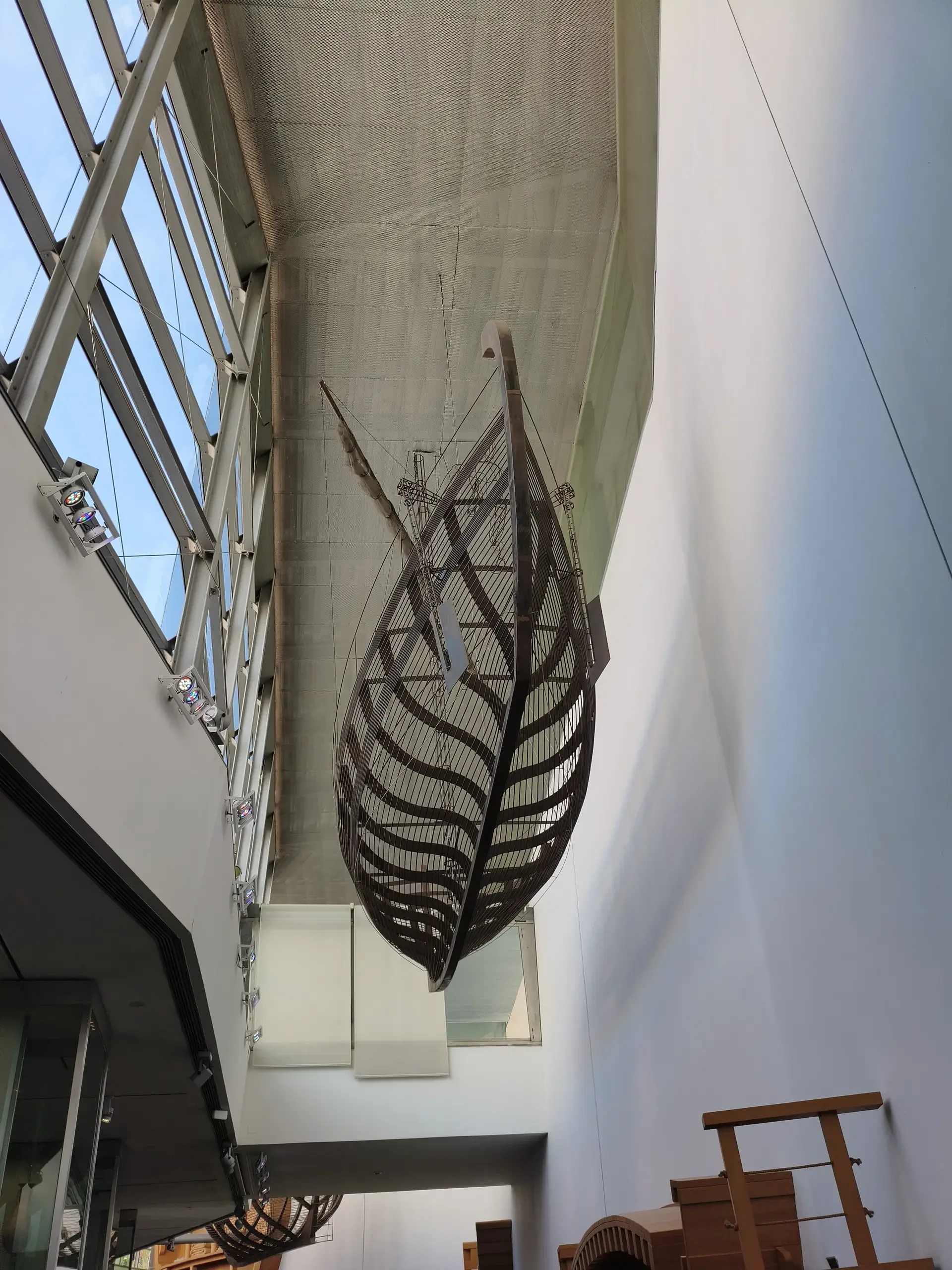
The Phoenician vessels discovered off Playa de la Isla in Mazarrón are a major thread through the visit. The surviving timbers of Mazarrón I are on display in the permanent gallery, alongside a reconstruction that makes the vessel’s original form much easier to understand. Mazarrón II, the more complete sister vessel, was lifted from the seabed during the 2024 excavation and recovery project. It is not yet a public exhibit: conservation specialists are preserving it in the museum’s ARQVAtec laboratories, where the ancient wood is undergoing desalination before later freeze-drying. Travellers interested in the discoveries can continue the story at the Phoenician Ship Interpretation Centre in Puerto de Mazarrón.
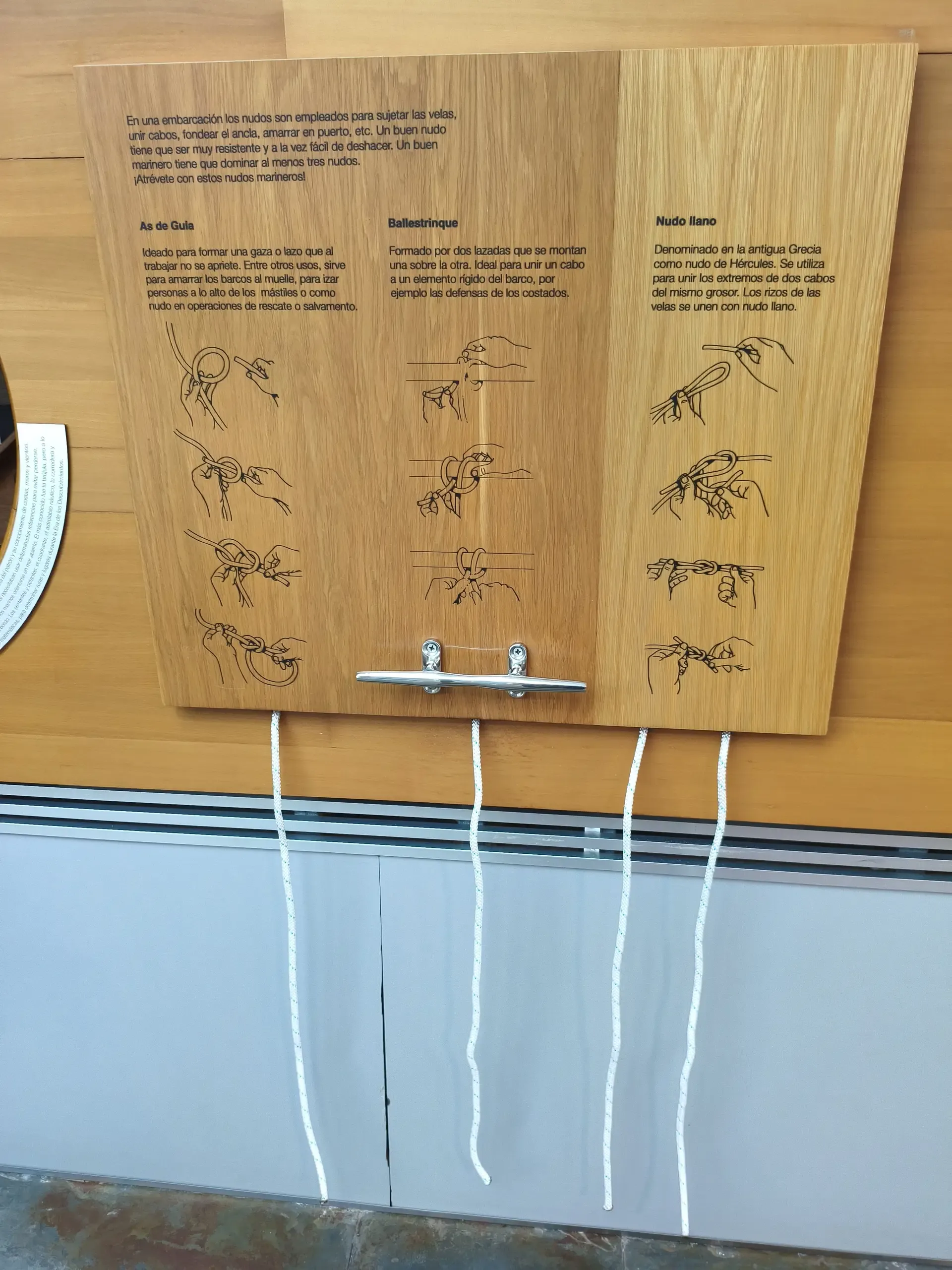
The museum is not entirely a look-but-don’t-touch experience. A few hands-on stations invite children and grown-ups to try skills such as knot tying, while scent boxes suggest the aromas of goods that may once have travelled across the sea. These small activities break up the display cases and help younger visitors connect cargo, ships and trade with everyday life.
The galleries also cover later navigation, trade and naval material, so the museum works as a broad introduction to the relationship between archaeology and the Mediterranean rather than a display built around one wreck.
Our experience: The Mazarrón section was a highlight for us because we already knew the story of the Phoenician boats but had never seen the surviving timbers of Mazarrón I. Less of this vessel remains than some visitors may expect, yet the reconstruction gives the find a much stronger sense of scale. Knowing that specialists are now preserving Mazarrón II elsewhere in the museum adds another fascinating chapter, even though that vessel is not currently on public display.