Christmas in Murcia feels a little different if you are used to spending December somewhere colder. You can be walking through a city centre filled with Christmas lights, nativity scenes and festive markets, then sit outside for a coffee in the winter sun a little later.
But don’t mistake the milder weather for a lack of Christmas atmosphere. Across the Region of Murcia, Christmas is a long festive season packed with traditions, family celebrations, elaborate belenes (nativity scenes), lights, markets, music and, finally, the arrival of the Three Kings in January.
If you are visiting Murcia over Christmas, it is worth remembering that the celebrations do not finish on Boxing Day. In Spain, some of the biggest family events of the festive period happen after Christmas Day, culminating with the Cabalgata de Reyes on 5 January and Día de Reyes on 6 January.
This guide covers what Christmas is normally like across the Region of Murcia, what to look out for and some of the best places to experience it. Exact events and dates change each year, so we will add separate seasonal guides once the official Christmas programmes are announced.
When does Christmas start in Murcia?
Christmas decorations and lights normally begin appearing during the second half of November, with the main programmes gathering pace around the beginning of December.
Constitution Day on 6 December and the Immaculate Conception on 8 December often help make the first part of December feel like the real beginning of the festive season. Check the year’s official public-holiday calendar for any observed substitute days. From then on, town centres become noticeably busier, Christmas markets open, belenes appear and councils begin their programmes of concerts, children’s activities and street entertainment.
The season then runs through Christmas Eve, Christmas Day and New Year’s Eve before building towards one of the biggest dates in the Spanish festive calendar: Three Kings.
For visitors, that means the period between Christmas and 6 January is still very much part of Christmas rather than an afterthought.
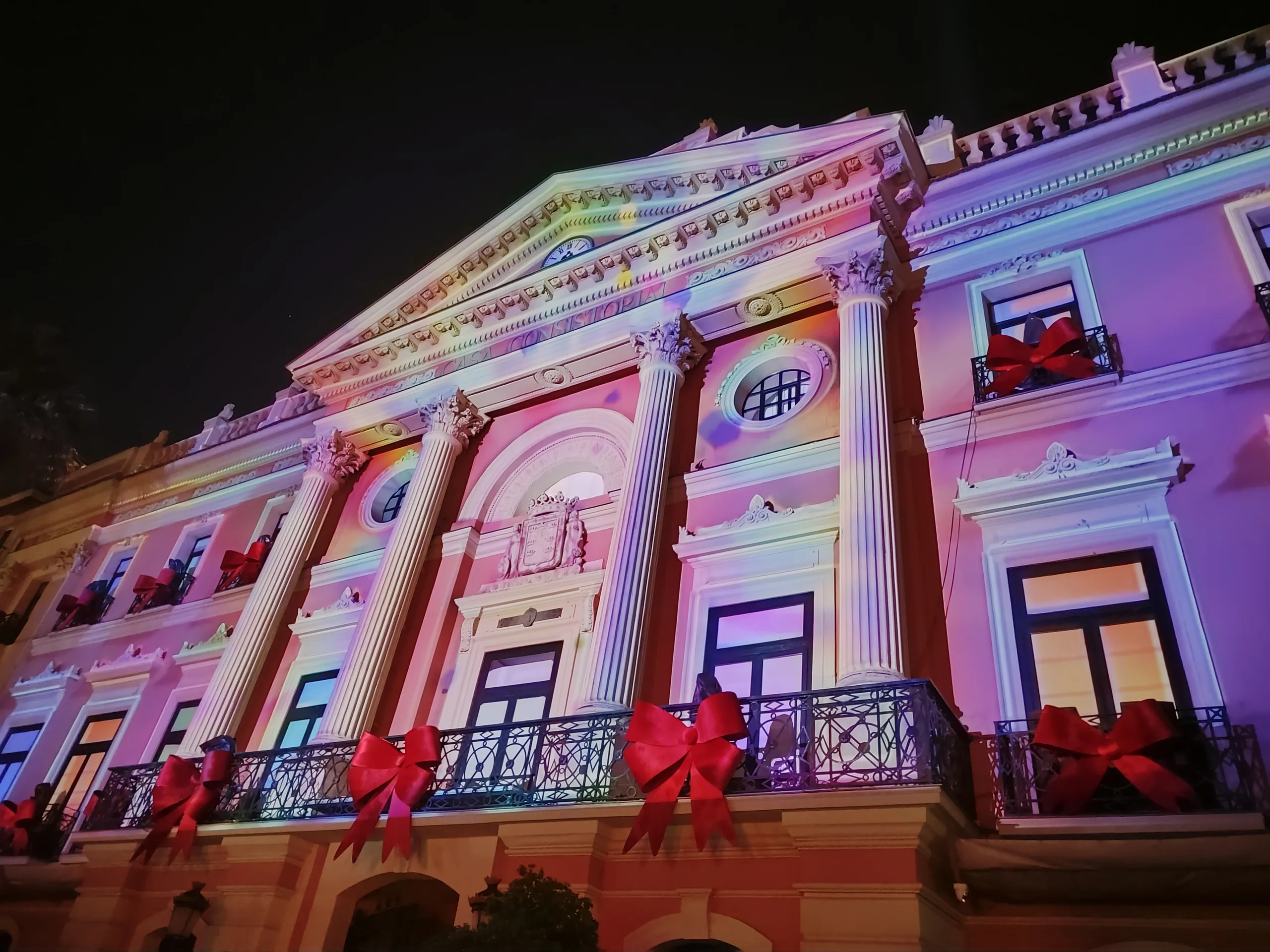
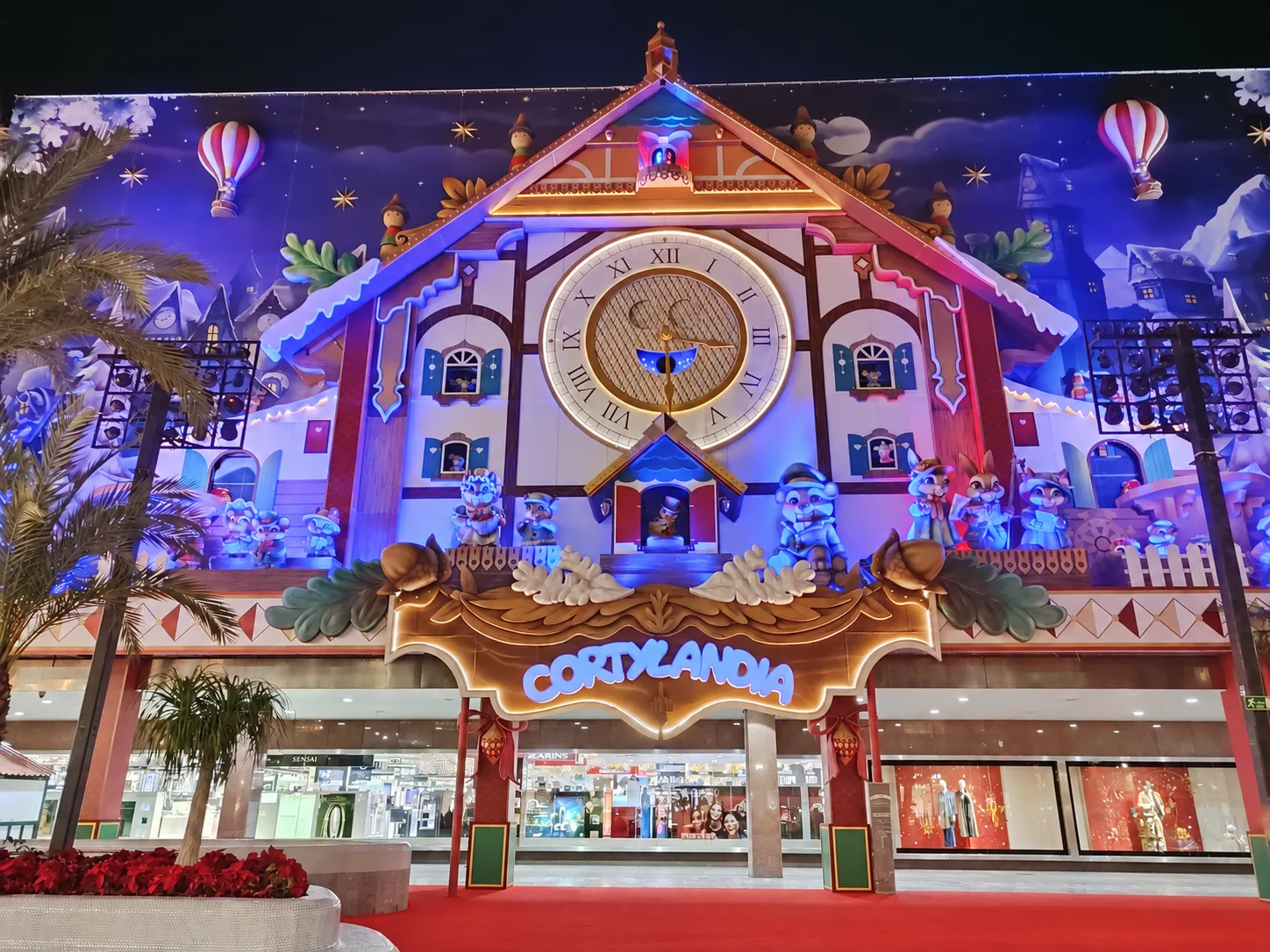
Christmas lights in Murcia
Most larger towns and cities in the region put on substantial Christmas light displays, with Murcia city and Cartagena among the obvious places to visit after dark.
Murcia city
Central Murcia becomes very lively during December. Streets around the historic centre are decorated with lights and the main plazas are used for festive installations, entertainment and Christmas activities.
A good evening walk normally takes you through areas around Plaza Circular, Gran Vía, Plaza Santo Domingo, Platería, Trapería, Plaza de las Flores and Plaza Cardenal Belluga.
The exact installations change from year to year, which is part of the reason we do not recommend planning a visit around one particular display until that year’s programme has been published.
Even without a special event taking place, Murcia city centre is one of the easiest places in the region to simply wander around and enjoy the atmosphere.
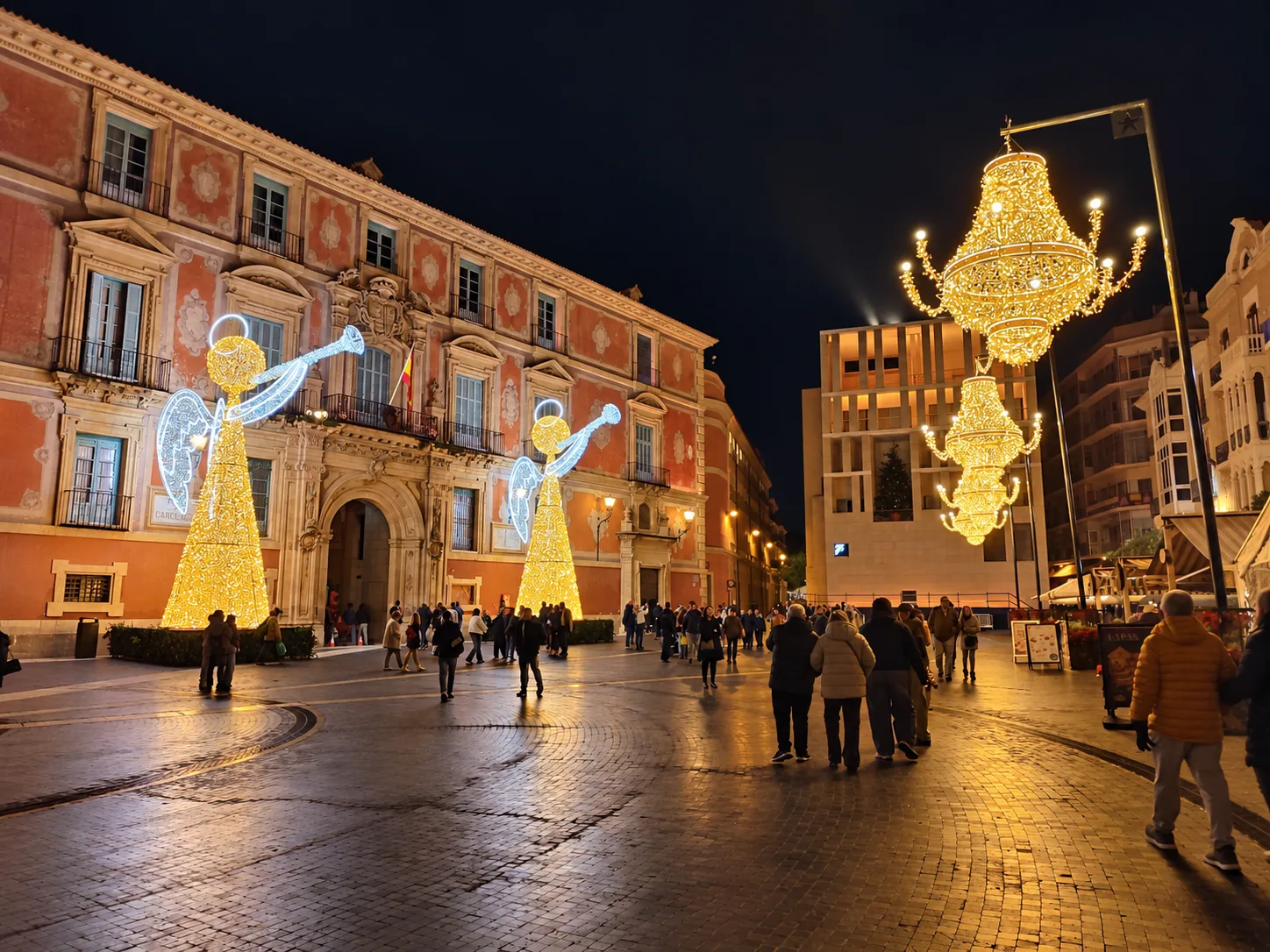
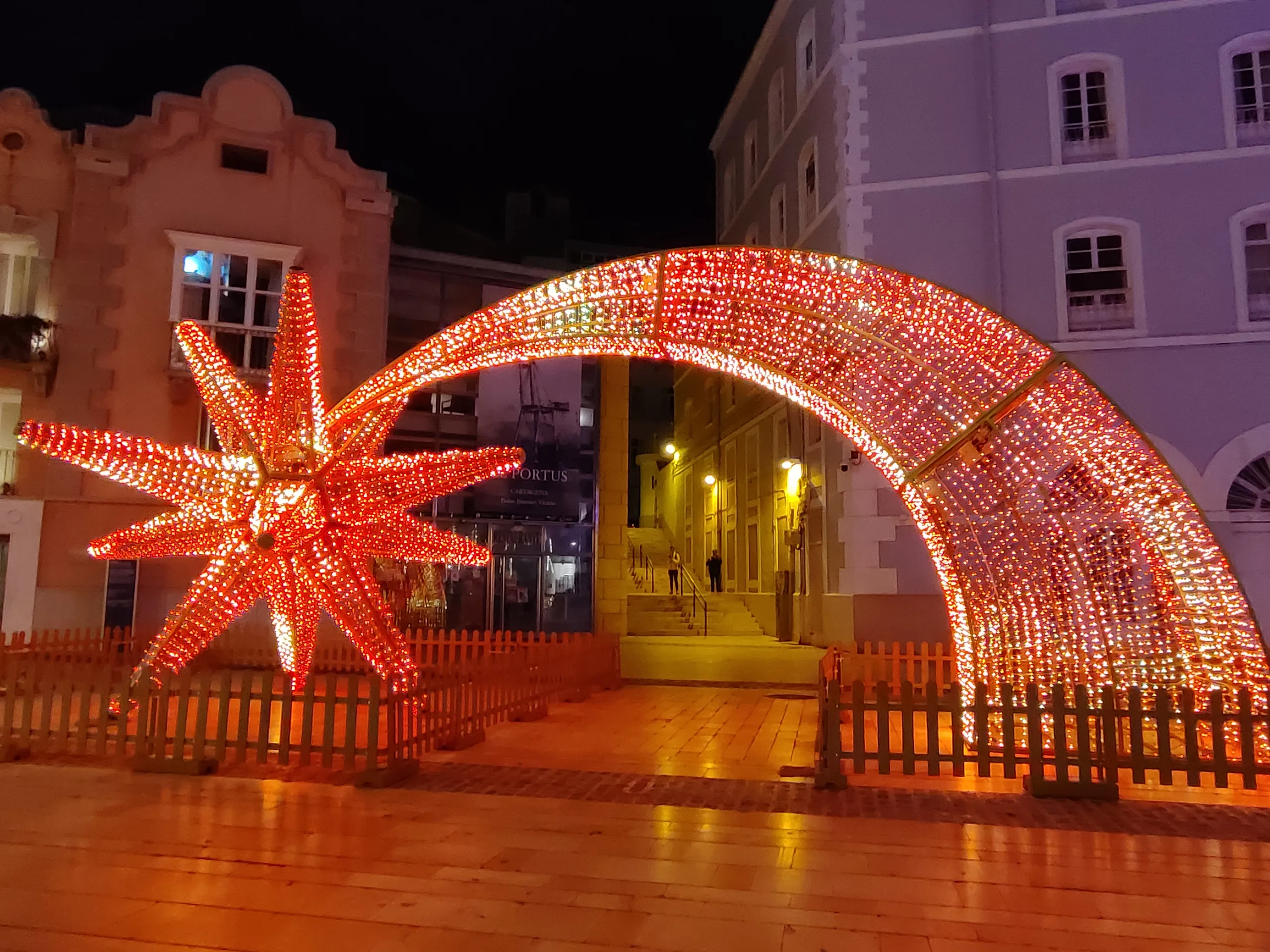
Cartagena
Christmas works particularly well in Cartagena because so much of the historic centre is easy to explore on foot.
The old streets, plazas and waterfront provide a very different setting to Murcia city. Recent Christmas programmes have used areas such as Plaza de España, Plaza San Francisco, Plaza del Icue, Calle Mayor, Héroes de Cavite and the port for lights, markets, performances and family events.
If you already plan to visit Cartagena’s Roman sites, museums or harbour, staying into the evening during December is well worth considering.
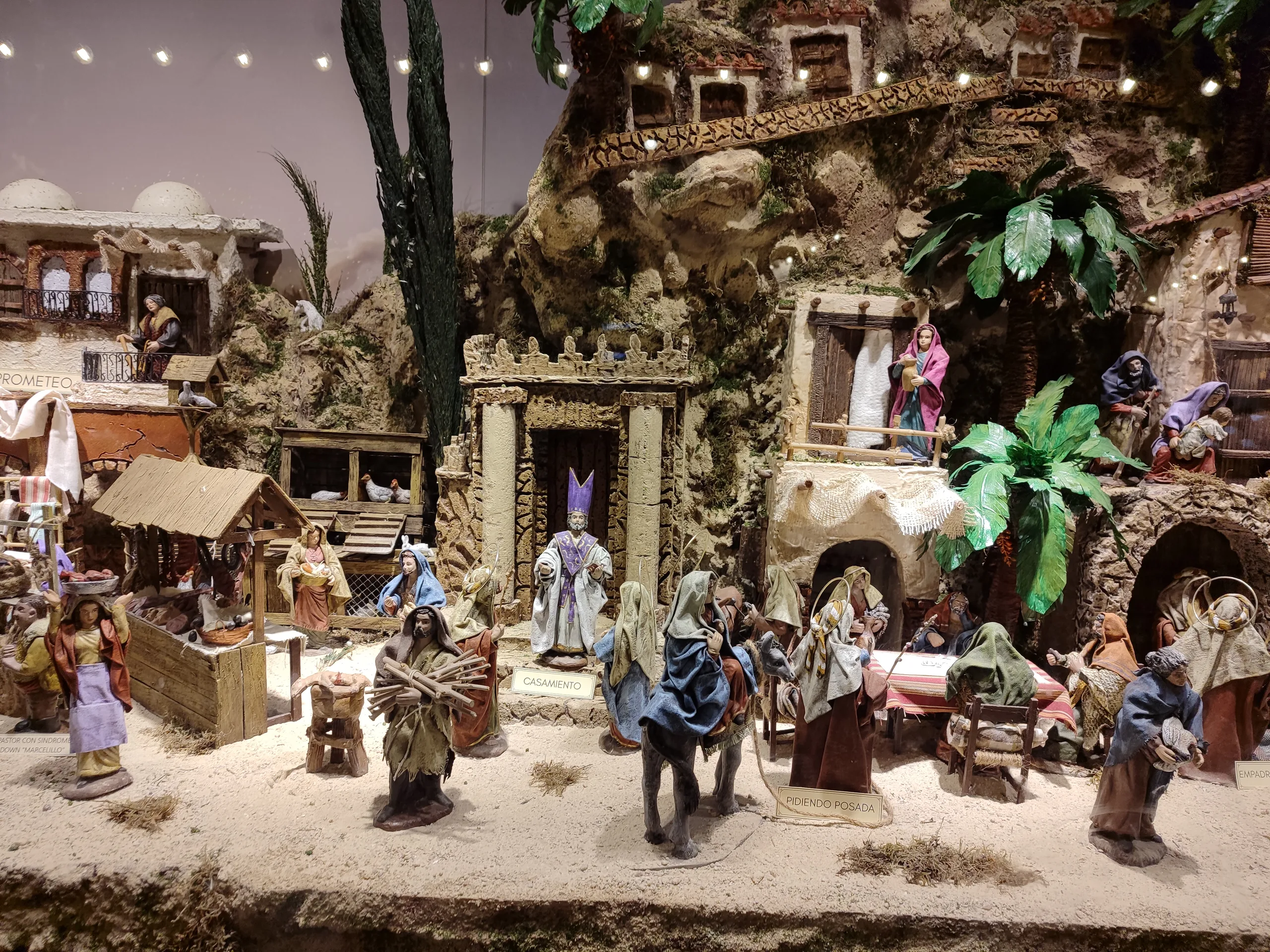
Belenes: one of Murcia’s great Christmas traditions
If there is one Christmas tradition visitors should make time for in Murcia, it is the belén.
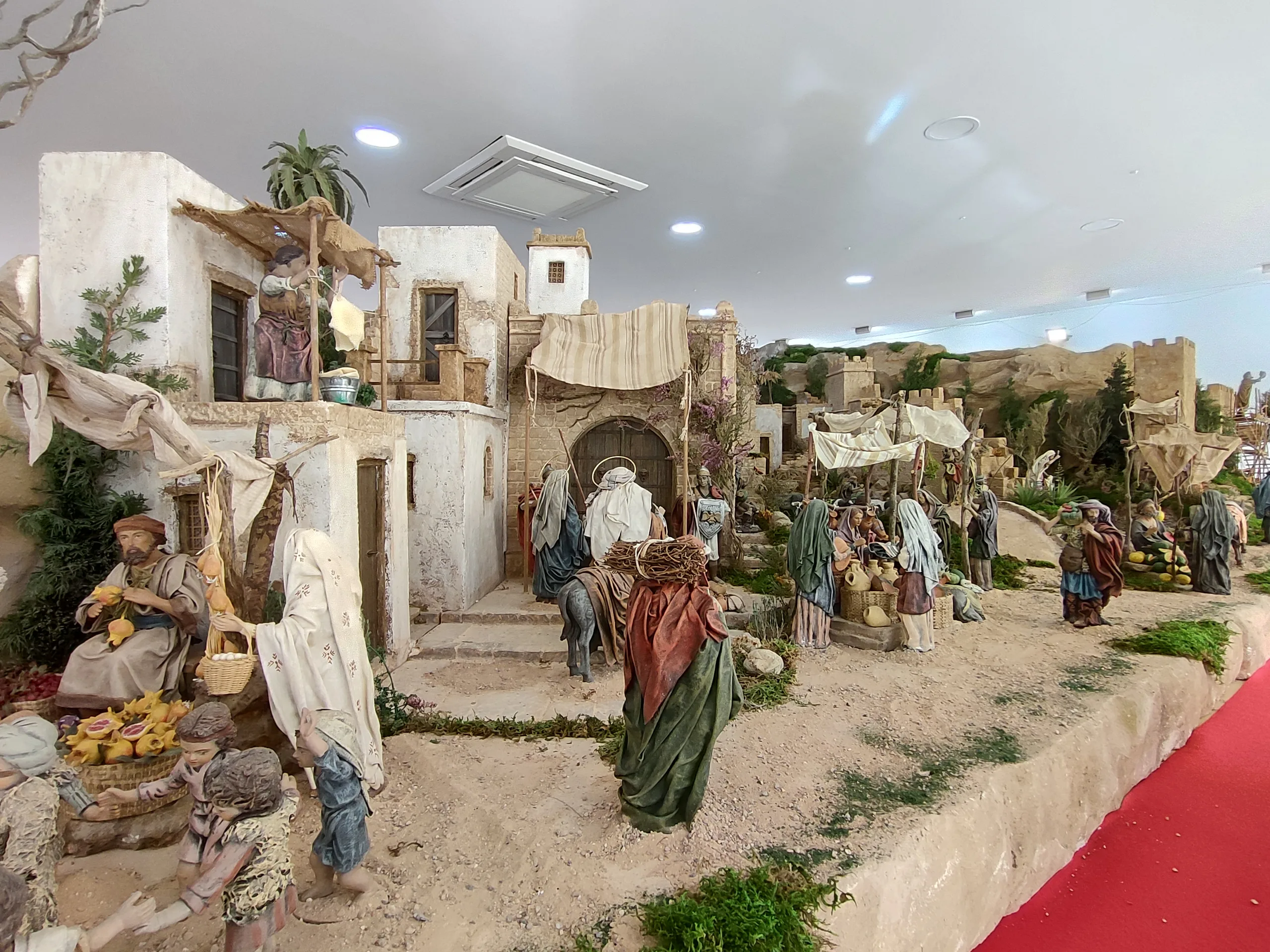
A belén is a nativity scene, although that description does not really do justice to many of the displays you will find here. Some are enormous scenes containing hundreds of figures, landscapes, working areas, traditional buildings and everyday village life alongside the familiar Nativity story.
The Region of Murcia has an especially strong tradition of belén making, with artisan figures and displays forming an important part of local Christmas culture.
The Salzillo tradition
Murcia is closely associated with the great 18th-century sculptor Francisco Salzillo, whose work includes an extraordinary nativity ensemble containing hundreds of figures.
The Salzillo Museum in Murcia is therefore an obvious place for anyone interested in the artistic side of the region’s nativity tradition. At Christmas, however, you will also find temporary belenes in churches, civic buildings, squares and neighbourhoods throughout the region.
Murcia’s municipal belenes
Murcia city normally hosts several prominent nativity displays during the Christmas period. Their locations and opening dates can change, so check the current year’s programme before making a special journey.
The fun is not necessarily in seeing only the biggest one. Smaller displays in churches, districts and nearby villages can be just as interesting, particularly when they incorporate recognisably Murcian landscapes, buildings and rural scenes.
Cartagena’s belenes
Cartagena also has a strong Christmas nativity tradition. The city normally hosts a municipal belén as well as additional displays around the centre, churches, neighbourhoods and outlying districts.
These often make a good daytime counterpart to seeing the Christmas lights after dark.
Christmas markets and shopping
Christmas markets appear across the region during December, particularly in larger towns.
Murcia city traditionally combines Christmas markets with its strong artisan culture, making it a good place to look for ceramics, handmade decorations, jewellery, local food products and small gifts rather than only mass-produced Christmas items.
Cartagena also normally hosts festive and artisan markets in the centre and around the waterfront.
Smaller municipalities frequently organise their own markets for one or more weekends during December. These can be worth seeking out if you prefer something more local and less crowded.
Because market dates and locations can change each year, check the municipality’s current official Christmas programme before travelling specifically for one.
Christmas Eve and Christmas Day
Nochebuena, Christmas Eve, is one of the major family occasions in Spain.
Families traditionally gather for a long evening meal and many businesses close early. If you are visiting as a tourist, do not assume restaurants will operate normal hours on 24 December. Some close completely while others offer special menus that need to be booked well in advance.
Christmas Day itself tends to be quieter than the days around it. Tourist attractions, shops and restaurants may have reduced hours or close altogether.
If you are staying in the region over Christmas Eve and Christmas Day, plan meals and shopping beforehand rather than leaving everything until the last minute.
New Year’s Eve in Murcia
New Year’s Eve — Nochevieja — brings another round of celebrations.
The best-known Spanish tradition is eating twelve grapes at midnight, one with each stroke of the clock. Supermarkets even sell small packs containing exactly twelve grapes in the run-up to New Year.
Larger towns may organise public celebrations or entertainment in central squares, although the details vary each year.
Restaurants and hotels also offer New Year’s Eve dinners, often followed by music or parties, and these normally require advance booking.
The Three Kings: Christmas isn’t over yet
For many international visitors, one of the biggest differences about Christmas in Spain is how important Three Kings remains.
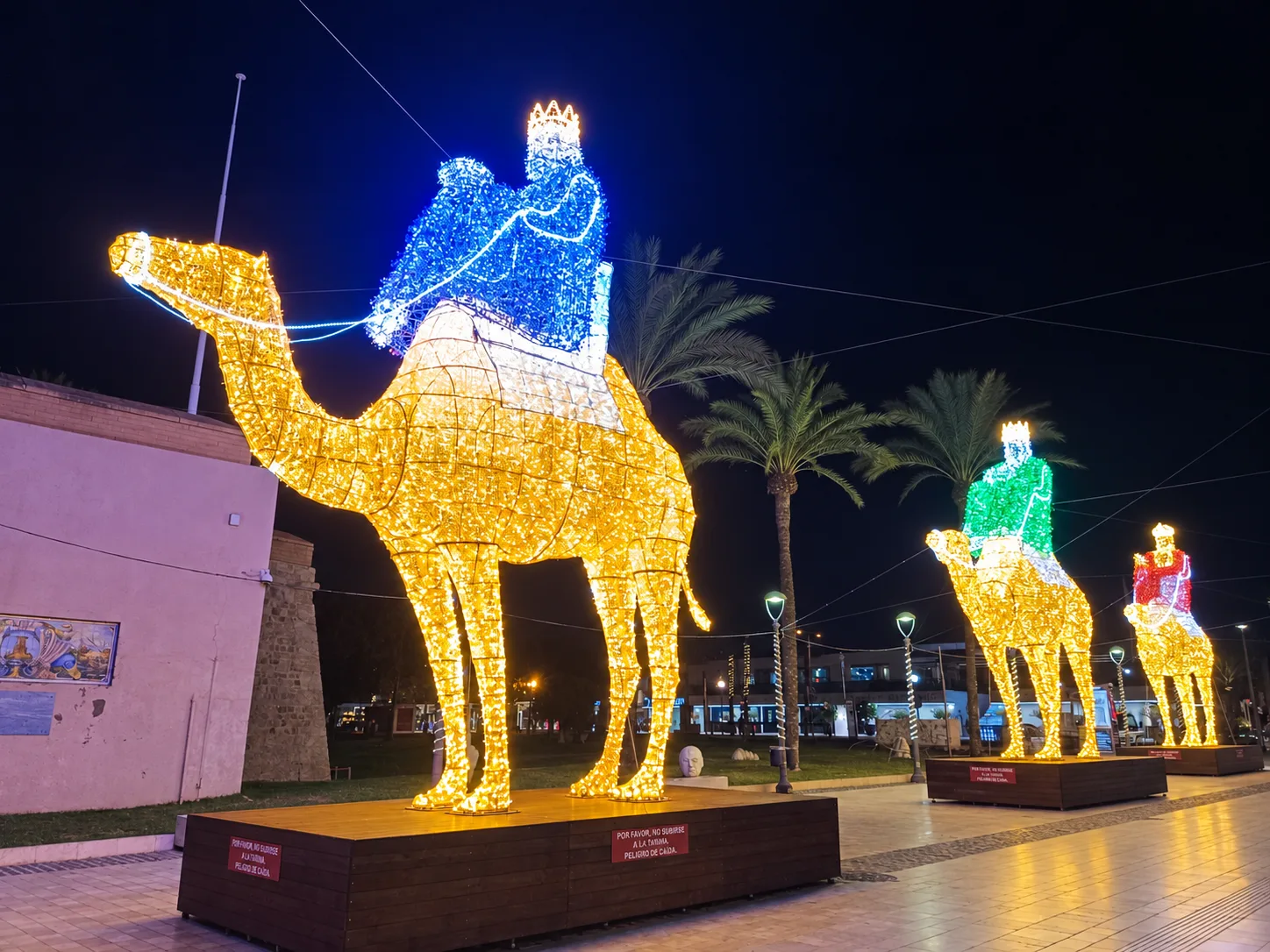
On the evening of 5 January, towns across the Region of Murcia hold a Cabalgata de Reyes — a parade welcoming Melchor, Gaspar and Baltasar.
These are major family events, with decorated floats, performers and large crowds. Sweets are often thrown to children along the route.
In Cartagena, the setting can make the arrival particularly memorable, with the port and historic centre forming part of the celebrations in recent years. Murcia city also stages a large procession through the centre.
Smaller towns hold their own versions, and these can sometimes be easier to enjoy if you want to avoid the biggest crowds.
Children traditionally receive gifts from the Three Kings, with 6 January — Día de Reyes — bringing the Christmas season to a close.
If you are visiting Murcia for Christmas, it is worth staying through to 6 January at least once. From a visitor’s point of view, Three Kings can be every bit as interesting as Christmas Day itself.
What do people eat at Christmas in Murcia?
Christmas food varies from family to family, but visitors will see several seasonal favourites throughout the region.
Spanish Christmas staples such as turrón, polvorones, mantecados and Roscón de Reyes are widely available.
Murcia also has its own strong tradition of Christmas baking. Look out for local sweets such as cordiales and tortas de Pascua, particularly in bakeries and markets.
Roscón de Reyes appears around the end of the festive period. This ring-shaped sweet bread is traditionally eaten around Three Kings and usually contains hidden surprises inside.
Christmas is a good time to visit independent bakeries and food markets rather than relying entirely on supermarkets. Many seasonal products only really stand out once the festive period begins.
What’s the weather like at Christmas?
One of the attractions of spending Christmas in Murcia is the relatively mild winter climate.
On sunny days, particularly near the coast, it can feel pleasantly warm in the middle of the day. Once the sun disappears, however, temperatures drop quickly and evenings can feel much colder than visitors expect.
Murcia city and inland areas can also have noticeably colder nights than the coast.
The best approach is layers: daytime weather can be ideal for sightseeing, but you will normally want a proper jacket if you plan to stay out looking at lights or watching a parade after dark.
Snow is not part of a typical Christmas in the cities and coastal resorts of the Region of Murcia. If your idea of Christmas is sunshine, palm trees and festive lights rather than snow-covered streets, Murcia offers a very different kind of winter break.
Where is best for Christmas in the Region of Murcia?
There is no single answer, but these are good starting points.
Murcia city
Best for a large programme of events, shopping, impressive lights, markets, belenes and a busy city-centre atmosphere.
Cartagena
Best for combining Christmas with sightseeing. The historic centre, Roman heritage and waterfront give its festive programme a particularly attractive setting.
Lorca
Lorca is a good option if you want historic surroundings without spending the whole trip in Murcia or Cartagena. The city usually runs its own Christmas programme; check travel times from your base before planning a day trip.
Caravaca de la Cruz
Caravaca de la Cruz has a very different feel from the coastal part of Murcia, particularly in winter, and works well as part of an inland Christmas trip.
Coastal towns
Places such as Águilas, Mazarrón, Los Alcázares and San Javier also run local Christmas programmes. These can be a good choice if you are already staying on the coast and do not want to travel into the larger cities for every event.
Is Murcia worth visiting at Christmas?
Yes — particularly if you want to combine a Spanish Christmas experience with sightseeing and generally milder weather.
The big advantage is variety. You can spend one day exploring a Christmas market or belén in a historic city and the next walking by the Mediterranean.
It is also a good time of year to see a more local side of the region. Summer tourism has largely disappeared, while city centres and town squares are busy with residents attending Christmas events.
The period around Christmas and Three Kings offers plenty of reasons to explore Murcia.
Planning your Christmas trip
If you are travelling specifically for Christmas events, avoid relying on dates from previous years. Municipalities often repeat popular attractions, but dates, locations and programmes do change.
As official programmes are confirmed, we will add separate guides for Murcia city and Cartagena covering confirmed events, lights, markets, parades and other activities around the Region of Murcia.
For an evergreen trip, however, a few things are predictable:
- Christmas activity begins building from late November and early December.
- The main cities are at their best after dark once the lights are on.
- Belenes are an important part of Christmas in Murcia and deserve time in your itinerary.
- Christmas Eve and Christmas Day can mean reduced opening hours.
- The festive period continues through New Year.
- The Three Kings parades on 5 January are among the biggest events of the season.
- 6 January is a public holiday and marks the traditional end of Christmas.
If you are visiting the Region of Murcia this Christmas, check official municipal programmes before travelling. Our seasonal guides will be added as confirmed details become available.
This guide is for general informational purposes only. Events, dates, locations and opening arrangements are subject to change at any time. Confirm current details with the relevant organiser or official source before travelling.